

Survey found majority of legal professionals believe current disclosure regime has increased costs and complexity
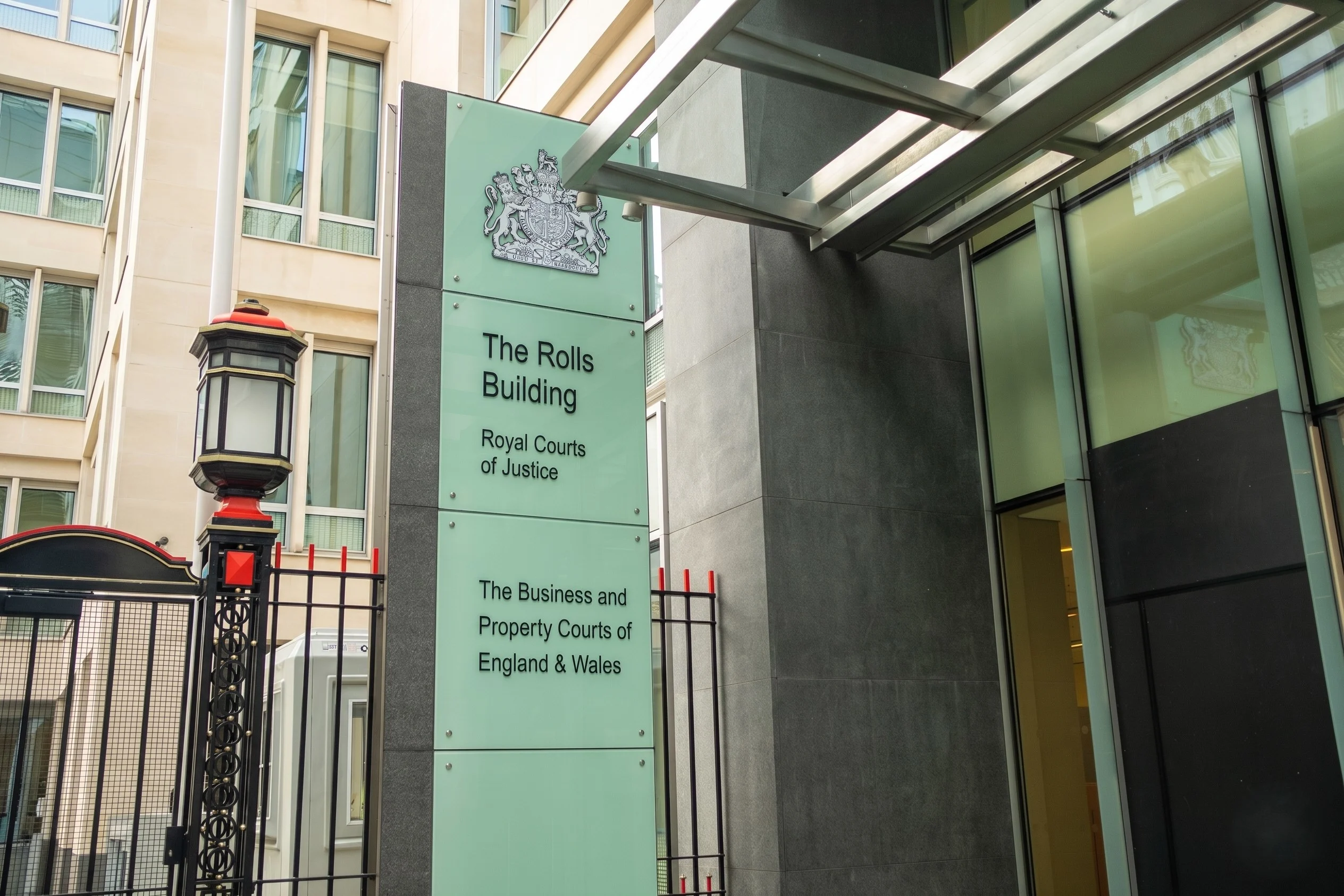
The judiciary-led Disclosure Review Working Group (DRWG) is to consider simplifying disclosure rules for the Business and Property Courts (BPC) following a survey of legal sector stakeholders.
The review focuses on Practice Direction 57AD (PD 57AD), which governs disclosure in the Business and Property Courts and was introduced as part of earlier reforms aimed at improving efficiency and proportionality in large and complex litigation.
According to findings published as part of the review, the survey results showed that the majority of respondents did not agree with the statement that the reforms in PD 57AD had been a success. Concerns were expressed that the regime had led to increased costs, had increased the burden on the courts, and had not achieved a culture change involving greater cooperation between the parties. The majority of respondents considered that changes were necessary.
The survey was conducted between November 2025 and February 2026 and received 215 responses from judges, solicitors, barristers, litigation support professionals and e-disclosure providers. The DRWG said the feedback indicated significant dissatisfaction with how the current disclosure framework operates in practice.
PD 57AD was introduced in October 2022 following the disclosure pilot scheme, with the aim of encouraging more targeted and proportionate disclosure in commercial litigation. It also introduced structured disclosure models and required parties to engage in more formalised case management processes through Disclosure Review Documents.
However, respondents to the survey raised concerns that the regime had increased litigation costs and complexity, particularly in large-scale commercial disputes involving significant volumes of electronic documents. Some also said the intended cultural shift towards greater cooperation between parties had not been achieved.
Despite these concerns, the survey also identified elements of the regime that practitioners considered useful. These included aspects of initial disclosure and the continued obligation to disclose known adverse documents.
The DRWG has now established an expanded working group under the chairmanship of Mr Justice Butcher to examine potential reforms. The group includes judges, barristers, solicitors and representatives from professional bodies involved in commercial litigation.
The working group is expected to consider whether simplification of PD 57AD is appropriate and whether changes could reduce costs and procedural burdens while maintaining fairness and efficiency in disclosure.
Any recommendations made by the DRWG will be submitted for consideration by the Civil Procedure Rule Committee. Further consultation with court users and legal stakeholders is expected before any formal changes are implemented.
The review forms part of ongoing judicial efforts to assess the effectiveness of disclosure rules in complex commercial litigation and to consider the impact of technology-assisted review and other digital tools used in large-scale document review exercises.