
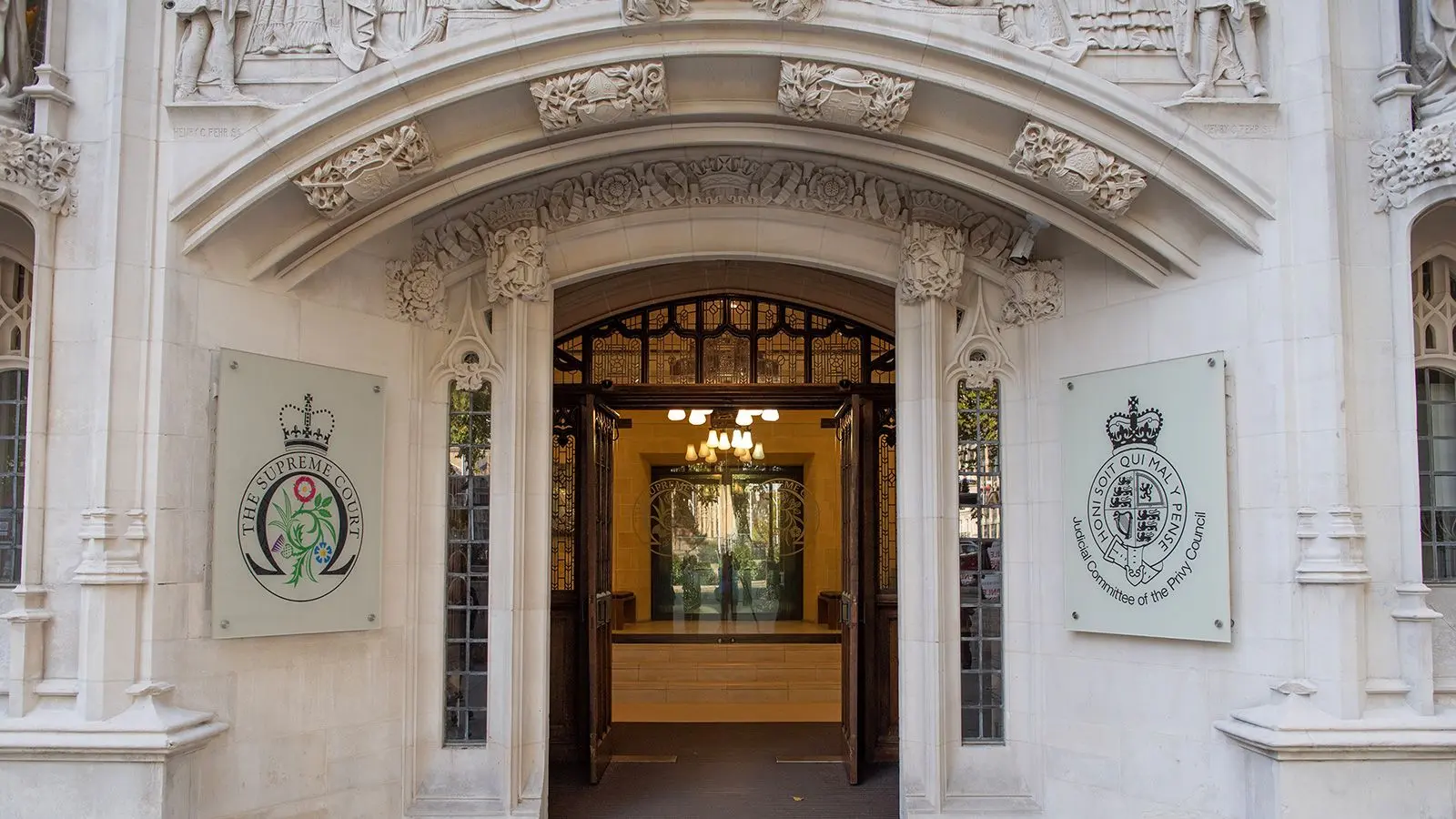

Court finds Windsor Framework rights not breached, overturning earlier Northern Ireland rulings on legacy legislation
The UK Supreme Court has ruled in favour of the government in a major appeal concerning Northern Ireland’s controversial Troubles legacy legislation, reversing findings that parts of the scheme breached post-Brexit legal protections.
In UKSC 15 judgment, the court allowed the government’s appeal over aspects of earlier Northern Ireland rulings linked to the Northern Ireland Troubles (Legacy and Reconciliation) Act 2023.
The case focused on whether provisions within the Legacy Act were incompatible with the Windsor Framework, the post-Brexit agreement governing Northern Ireland’s relationship with certain areas of European Union law.
The litigation was brought by claimants connected to incidents during the Troubles between 1987 and 1997, before the 1998 Good Friday Agreement largely ended decades of sectarian violence.
Earlier courts in Northern Ireland had found elements of the legislation unlawful, including conclusions that immunity provisions under the Act breached rights protected under the Windsor Framework and the European Convention on Human Rights.
However, the Supreme Court drew a distinction between the Windsor Framework issues and wider human rights objections to the legislation.
Allowing the appeal, the justices concluded that the claimants’ relevant EU law rights had not been diminished within the meaning of the Windsor Framework. As a result, the government succeeded on the central issue before the court.
The ruling represents an important constitutional and public law decision because it narrows the legal basis on which post-Brexit arrangements can be used to challenge domestic legislation relating to Northern Ireland legacy issues.
The judgment does not restore the original immunity scheme in practical terms. The Labour government has already committed to repealing and replacing the immunity provisions introduced by the previous Conservative administration.
That immunity regime had proved deeply controversial. Victims’ families, Irish political parties and human rights organisations consistently opposed the legislation, arguing that it restricted investigations, civil claims and inquests connected to Troubles-era deaths.
In 2024, Belfast’s High Court ruled that parts of the Act breached Articles 2 and 3 of the European Convention on Human Rights and should be disapplied. The government subsequently appealed aspects of that decision through the appellate courts.
The Supreme Court’s latest ruling therefore resolves a narrower but legally significant question about the interaction between the Windsor Framework and legacy legislation, rather than determining the broader political future of the Act itself.
The government welcomed the decision, while broader reforms to Northern Ireland legacy mechanisms continue through proposed replacement legislation and ongoing negotiations between London and Dublin.