

.jpg)
Home Secretary calls violence against women a national emergency and promises sweeping policing reforms
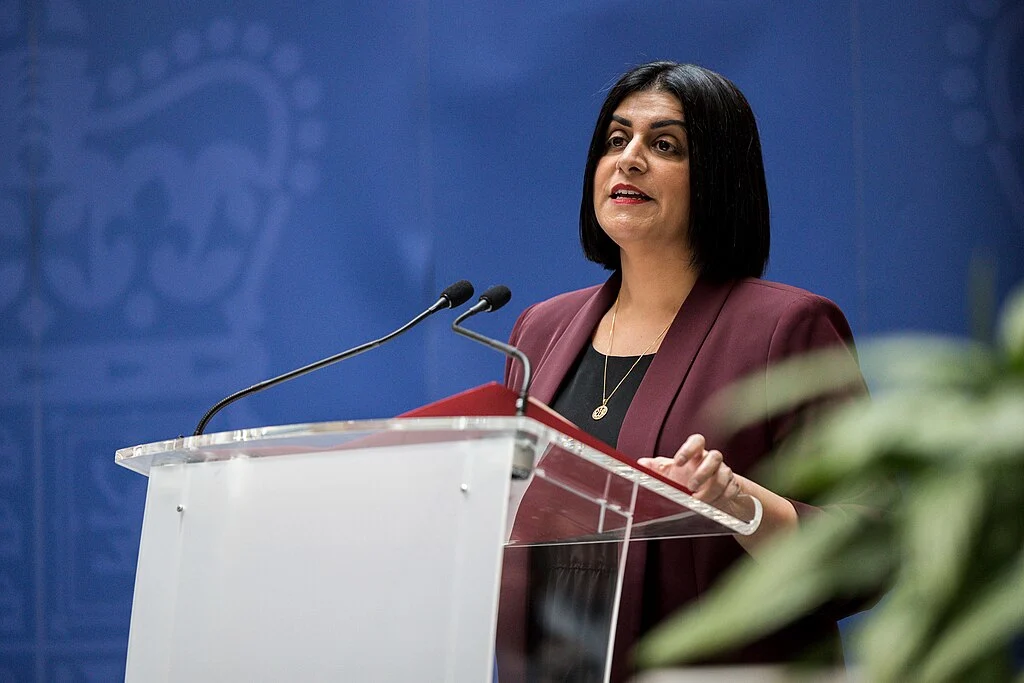
Violence against women and girls has been declared a “national emergency” by Home Secretary Shabana Mahmood, as the government outlined plans to overhaul how rape and sexual offences are investigated across England and Wales.
Mahmood announced that specialist rape and sexual offence investigation teams will be established in every police force by 2029. The move forms part of a long-delayed strategy aimed at halving violence against women and girls within a decade. The full strategy is due to be published on Thursday after being postponed three times this year.
Speaking to the BBC’s Sunday with Laura Kuenssberg programme, Mahmood said she had reached “the depressing conclusion” during her time in government that “the criminal justice system fails women”. She said policing standards varied widely across the country, describing the investigation of cases as “too much of a postcode lottery”.

Under the proposals, the new specialist teams will be staffed by officers with dedicated training in handling rape and sexual offence cases. The government said the officers would be equipped to understand the behaviour of abusers as well as the experiences of victims. More than half of police forces already operate similar units, but the government said all forces would have dedicated teams in place by 2029.
The plans were welcomed by Metropolitan Police Commissioner Sir Mark Rowley, who said the approach would replicate tactics already used by the Met. He highlighted the force’s V100 programme, which uses data to identify men who pose the highest risk to women. Sir Mark said the Met applied “the same relentless determination we use to combat terrorism” to tackling violence against women and girls.
Also included in the strategy is the national rollout of domestic abuse protection orders, which have been trialled over the past year. The orders can prohibit individuals from contacting victims, visiting their homes or posting harmful content online, and can be applied in cases involving coercive or controlling behaviour. Breaching an order is a criminal offence.
Mahmood said early evidence from the pilot schemes had been “very, very positive”, with a large number of arrests linked to breaches of the orders. She said the measures remove the burden from victims of having to pursue enforcement themselves and place responsibility with the police.
The government also announced nearly £2m of investment in specialist undercover police units operating online to target those who harass women and girls on the internet. In addition, ministers are considering extending Clare’s Law to include offences such as stalking, sexual assault and harassment. Clare’s Law currently allows individuals to request information from police about a partner or former partner’s history of domestic abuse.
The announcement follows a report published earlier this month, which found that more than a quarter of police forces in England and Wales had not implemented basic policies for investigating sexual offences. The report said sexually motivated crimes against women in public remained widespread and called for urgent action.
Conservative shadow home secretary Chris Philp criticised the plans as “too little, too late”, saying the funding involved was limited. Mahmood, however, said the strategy marked a shift towards action after years of concern about systemic failures.
Source: BBC