


Plans could end jury trials for most offences as ministers confront soaring court delays
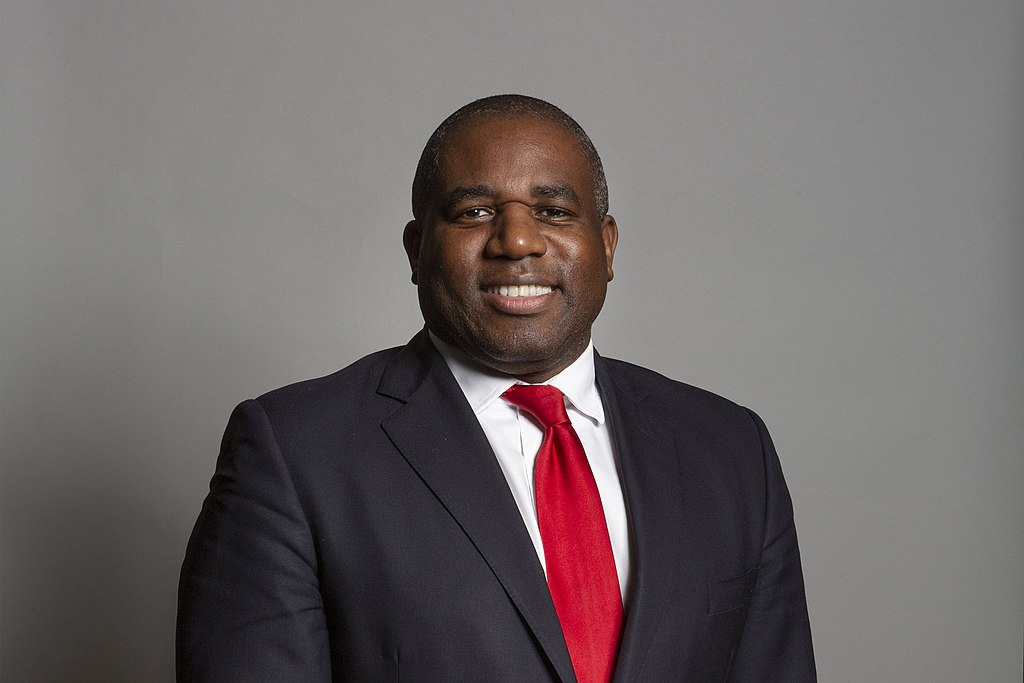
Jury trials for the majority of criminal cases in England and Wales could be removed under sweeping proposals prepared by Justice Secretary David Lammy. The plans would reserve jury trials only for offences such as murder, rape, manslaughter and a narrow category of public interest cases, while as many as 75% of defendants would instead be tried by a judge sitting alone.
The proposal is intended to reduce the Crown Court backlog, which is approaching 80,000 cases. Some trials are being listed as far ahead as 2029, prompting growing concern that victims and defendants are facing unacceptable delays. Ministers argue that major reforms are required to restore timely access to justice.
According to a memo reported by The Times, Lammy told ministers and senior officials that there is “no right” to a jury trial in the UK. The remark has drawn strong criticism from criminal practitioners. Riel Karmy-Jones KC, chair of the Criminal Bar Association, said the suggestion “smells like a coordinated campaign against public justice”. She warned that the changes would “destroy a criminal justice system that has been the pride of this country for centuries”, arguing that the backlog was being used as a pretext to restrict jury trials.
Embed from Getty Images
Lammy’s framework goes further than the approach recommended earlier this year by Sir Brian Leveson, who proposed an intermediate model where judges would sit with two lay magistrates for mid-range offences. Lammy is understood to favour removing the lay element entirely. Under the proposals, all offences likely to attract a sentence of up to five years would be taken out of the jury system. Magistrates would also see their sentencing powers widened to handle more serious cases, and the government is considering removing the automatic right to appeal against conviction.
A Ministry of Justice spokesperson said that no final decision has been made, although legislation is expected early next year. If introduced, the shift would represent one of the most significant restructures of criminal procedure in modern times. Criminal law education, which traditionally emphasises the centrality of jury trial in safeguarding fairness, would need to adapt accordingly.
Lammy, the MP for Tottenham, became Lord Chancellor in September and also serves as deputy prime minister. He was called to the bar at Lincoln’s Inn in 1994 and later completed an LLM at Harvard Law School.
The Law Society said the proposals “go far beyond” those developed by Sir Brian Leveson and described the idea as “an extreme measure”. It said that the justice system relies heavily on lay participation in determining guilt and that allowing a single judge to decide cases involving significant loss of liberty would mark “a dramatic departure from our shared values”.
The Society added that the government could resolve the backlog with a combination of funding and targeted structural reform, without removing the right to jury trial in most cases.