

Howard League charity fails in battle to halt government’s decision to make PAVA available to prison staff
The High Court has ruled that the government lawfully authorised the use of PAVA spray, a synthetic form of pepper spray, in young offender institutions holding children in England, dismissing a judicial review challenge brought by the Howard League for Penal Reform.
In a judgment handed down on 19 January 2026, Mr Justice Calver concluded that the decision-making process followed by the then Secretary of State for Justice, Shabana Mahmood, complied with public law requirements and was supported by a framework of safeguards. The court rejected the charity’s claim in full.
The case concerned the authorisation of PAVA spray for use in three young offender institutions: HMYOI Feltham A, Werrington and Wetherby. These establishments hold boys aged between 15 and 18. The authorisation applied for a 12-month period and was announced in April 2025, following sustained pressure from prison staff representatives amid rising levels of violence in custody.
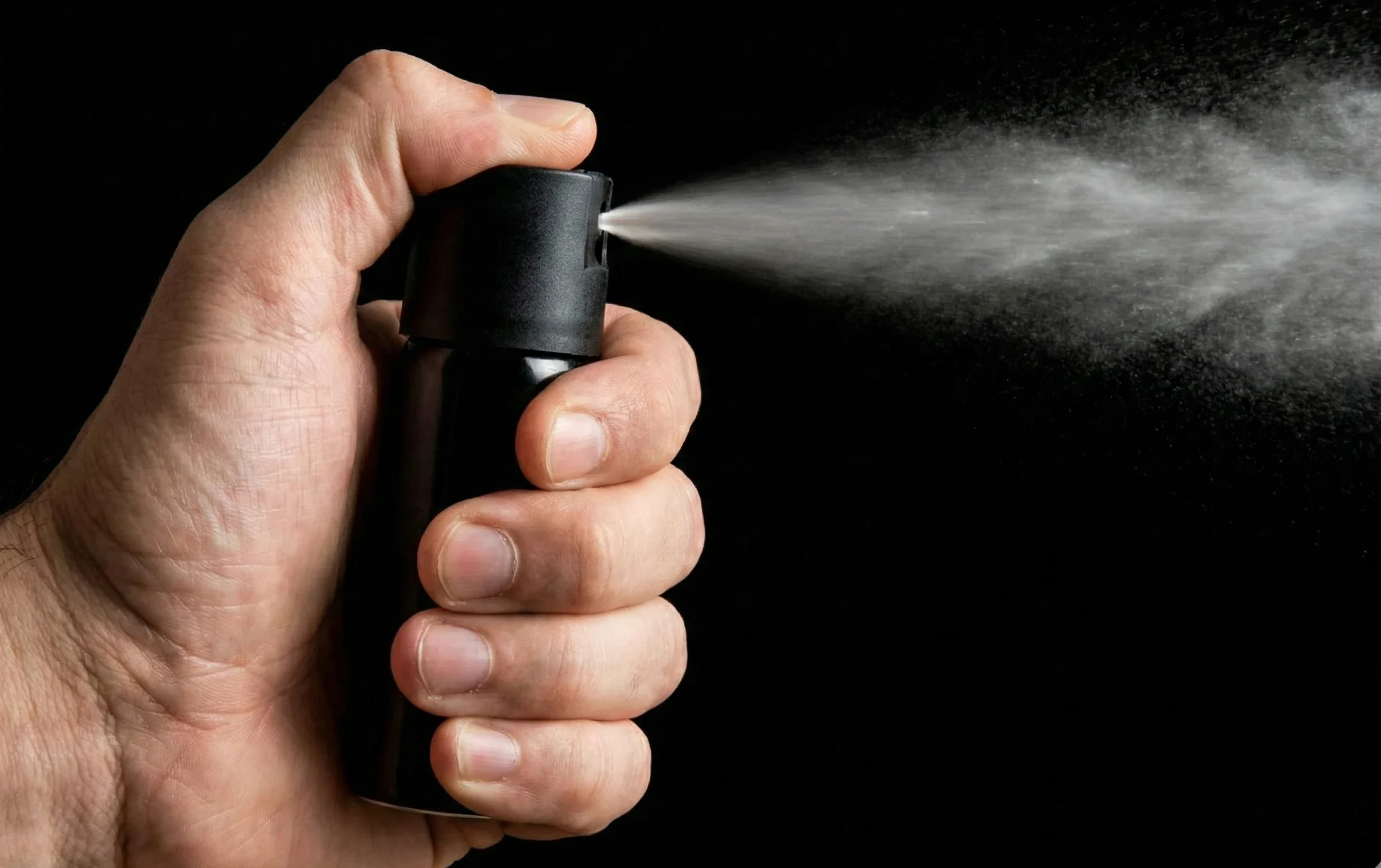
PAVA spray, also known as pelargonic acid vanillylamide, is discharged from a handheld canister and causes intense pain and irritation to the eyes, along with a burning sensation to the skin. The incapacitant has been authorised for use in adult prisons in England and Wales since 2018.
The Howard League challenged the decision on the basis that it was unlawful. The charity argued that the government had failed to give sufficient weight to the physical and psychological risks posed to children, the likelihood of disproportionate use against Black children, disabled children and Muslim children, and the potential for the spray to escalate violence rather than reduce it.
It also contended that the authorisation breached equality and child protection duties and amounted to a failure by the state to safeguard children in custody.
However, the court found that the Secretary of State had been closely and personally involved in the formulation of the policy and that extensive engagement had taken place over a number of years with officials, stakeholders and oversight bodies. Mr Justice Calver said these consultations had a significant influence on the final shape of the decision.
The judge described the decision as “finely balanced”, reflecting the controversial nature of authorising a chemical irritant for use on children. Nonetheless, he concluded that the relevant risks had been fully and properly considered through Equality Impact Assessments and Child Rights Impact Assessments, which explicitly identified groups likely to be adversely affected by the policy.
The judgment noted that the Secretary of State had expressed particular concern about the risk of disproportionality and had insisted that PAVA should only be authorised subject to strict limitations. These included restricting its use to a small number of highly trained staff, allowing deployment only as a last resort, and only in circumstances where there was an immediate threat of life-changing or life-ending violence.
Mr Justice Calver accepted that the Ministry of Justice did not expect the introduction of PAVA spray to reduce overall levels of violence in institutions holding children. He also acknowledged evidence suggesting that its use could contribute to longer-term escalation in violent behaviour. However, the court accepted that officials believed the spray had the potential to prevent immediate and serious harm in exceptional cases.
The judge placed significant weight on the safeguards introduced as a result of stakeholder concerns. These included enhanced monitoring, local and national operational reviews, and oversight mechanisms governing any deployment of PAVA. Taken together, he concluded, these measures demonstrated that the Secretary of State had acted lawfully, rationally and within the bounds of her statutory duties.
Following the ruling, the Howard League said it was disappointed by the outcome but confirmed that it would continue to monitor closely the use and governance of PAVA spray in young offender institutions, including at the end of the 12-month authorisation period.
The High Court’s decision means that the government may continue to permit the limited use of PAVA spray in young offender institutions, subject to the safeguards and restrictions outlined in the policy and scrutinised by the court.