
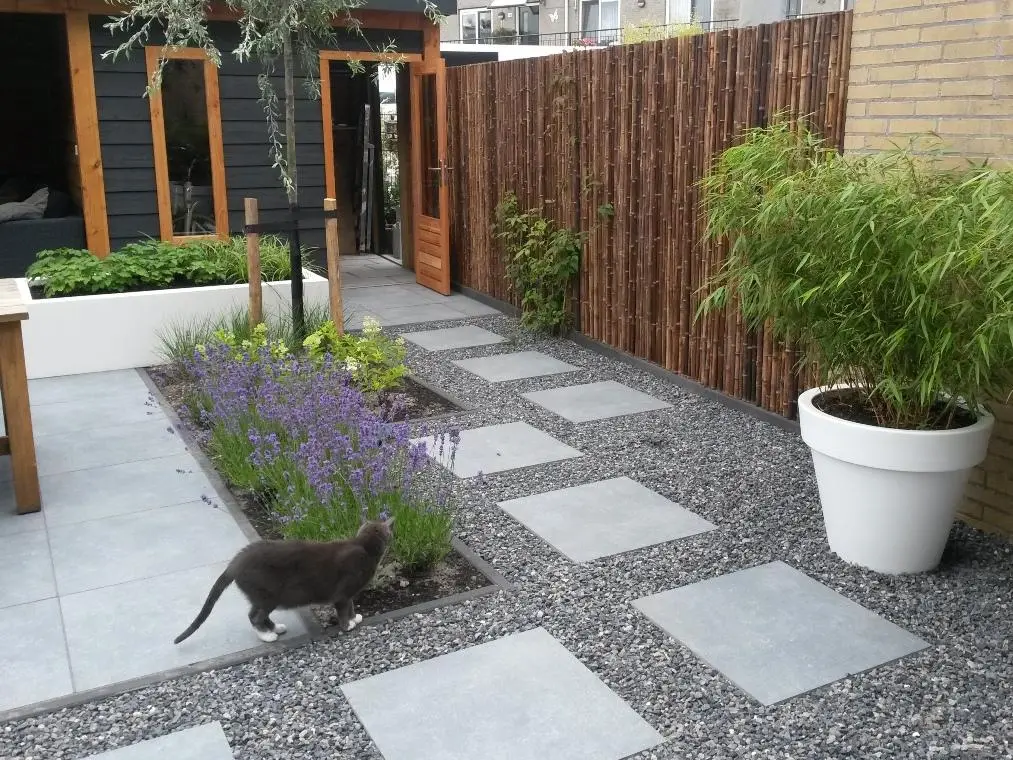

A dispute over neighbours’ cats entering a resident’s garden and leaving faeces has resulted in an important Court of Appeal ruling on the meaning of “accumulation or deposit” under the Environmental Protection Act 1990. The court rejected the argument that such a deposit must have been deliberately placed there before it can potentially qualify as a statutory nuisance.
What did the Court of Appeal decide?
In Caerphilly County Borough Council v R (Williamson) [2026] EWCA Civ 1402, handed down on 3 November 2026, Lord Justice Miles gave the leading judgment, with Lord Justice Nugee and Lord Justice Males agreeing.
The Court of Appeal dismissed the council’s appeal against the High Court’s decision to quash its determination that the neighbour’s cats were not causing a statutory nuisance. The central issue was whether “any accumulation or deposit” under section 79(1)(e) of the Environmental Protection Act 1990 required the material to have been deposited through a purposeful or wilful act.
The court rejected that proposed limitation. It held that the statutory wording is concerned with the existence of the relevant physical matter, not the state of mind of the person who may have caused it to be there. The declaration made by the High Court therefore remained in place.
“Animal droppings are capable of amounting to a deposit or accumulation”
— Court of Appeal, summarising the effect of the authorities at paragraph 56
How did the dispute arise?
Mr Richard Williamson complained to Caerphilly County Borough Council on 2 October 2024 that two cats belonging to his neighbours had repeatedly entered his front garden and fouled there. He said the problem had continued for months, that he had tried different ways of deterring the cats and that the faeces presented a potential health risk to his family, including his young child. He also referred to possible risks associated with toxoplasmosis and supplied CCTV footage.
The council initially said that cats roaming between properties could not constitute a statutory nuisance under section 79(1)(f). It later opened an investigation, requested further evidence and carried out a site visit. In an email dated 11 November 2024, the council concluded that there was no statutory nuisance. Its officer considered the arrangements for the cats at their owners’ property and referred to the common law position that cats were permitted to roam.
Mr Williamson challenged that determination. The High Court found that the council had approached the complaint too narrowly by concentrating on the manner in which the cats were kept under section 79(1)(f), rather than properly considering whether the faeces in the garden could constitute a deposit prejudicial to health or a nuisance under section 79(1)(e).
- Mr Williamson makes a formal complaint about cats fouling his front garden.
- CCTV footage is provided to the council as part of its investigation.
- The council determines that there is no statutory nuisance.
- The High Court gives judgment in the judicial review proceedings.
- The High Court makes a declaration and quashes the council’s determination.
- The council issues a further determination following a review of the evidence.
- The Court of Appeal hears the council’s appeal.
- The Court of Appeal dismisses the appeal.
The judgment records that, following the High Court decision, the council carried out a further review and wrote to Mr Williamson on 24 March 2026. It said that the evidence did not support an accumulation or deposit prejudicial to health under section 79(1)(e). The Court of Appeal heard no argument about that later determination, including whether it affected the appeal’s practical significance.
What does the Environmental Protection Act say?
Part III of the Environmental Protection Act 1990 deals with statutory nuisances and clean air. Section 79(1) lists the matters that may constitute statutory nuisances. Two provisions were particularly relevant to this dispute:
| Provision | Relevant subject | Question in this case |
|---|---|---|
| Section 79(1)(e) | Any accumulation or deposit which is prejudicial to health or a nuisance. | Could cat faeces in the garden potentially be an accumulation or deposit? |
| Section 79(1)(f) | Any animal kept in such a place or manner as to be prejudicial to health or a nuisance. | Was the complaint wrongly treated only as a question about how the cats were kept? |
| Section 79(7) | Defines the “person responsible” by reference to whose act, default or sufferance the nuisance is attributable. | Who may be responsible if a statutory nuisance is found to exist? |
| Section 80 | Provides for an abatement notice where a local authority is satisfied that a statutory nuisance exists or is likely to occur or recur. | What steps follow once a statutory nuisance has been identified? |
Section 79 also places a duty on local authorities to inspect their areas from time to time and, where a person living in the area complains of a statutory nuisance, to take such steps as are reasonably practicable to investigate the complaint.
Why did the council’s appeal fail?
The council argued that something could only be a “deposit” for the purposes of section 79(1)(e) if it resulted from a purposeful or wilful act. The Court of Appeal found no basis for that requirement in the statutory text.
Lord Justice Miles explained that section 79(1) identifies physical matters or states of affairs and asks whether they are prejudicial to health or a nuisance. It does not impose a requirement that someone must have acted deliberately in relation to those matters. The word “deposit” is used as a noun, alongside “accumulation”, and the provision is concerned with the existence of the material rather than how it came to be there.
The court also rejected the suggestion that a deliberate-action requirement should be read into the definition of a statutory nuisance. Responsibility is dealt with separately by the statutory scheme, particularly section 79(7) and section 80. Adding another responsibility test at the stage of deciding whether a statutory nuisance exists would create confusion and depart from the wording Parliament had enacted.
Earlier authorities supported the court’s interpretation. In Draper v Sperring (1861), animal dung left by sheep was capable of being treated as a deposit or accumulation. The Court of Appeal considered that this supported the proposition that animal droppings can fall within the statutory language, provided the other elements of the test are established.
The court also considered the historical statutory framework and authorities concerning waste, refuse and natural deposits. It concluded that those cases did not support restricting the meaning of “deposit” by reference to whether a person had acted purposefully or wilfully.
What is the two-stage approach?
A central feature of the judgment is the distinction between identifying a statutory nuisance and deciding who is responsible for it. The court referred to its earlier decision in R (on the application of Ball) v Hinckley & Bosworth Borough Council [2024] EWCA Civ 433 when explaining the two stages.
| Stage | Statutory provision | What the local authority must consider |
|---|---|---|
| 1. Identify the nuisance | Section 79 | Whether one of the listed matters exists and is prejudicial to health or a nuisance. |
| 2. Address responsibility and action | Section 80, read with section 79(7) | If a statutory nuisance exists or is likely to occur or recur, whether an abatement notice should be served and on whom. |
The first stage is not determined by asking whether a particular person deliberately created the relevant matter. The question of responsibility arises at the next stage, where the statutory definition identifies the person to whose act, default or sufferance the nuisance is attributable.
On that basis, the Court of Appeal upheld the High Court’s conclusion that the council had to consider the complaint under section 79(1)(e), rather than treating the issue solely as one concerning the way the cats were kept.
Frequently asked questions
Did the Court of Appeal decide that the cats were causing a statutory nuisance?
No. The court dismissed the council’s appeal and upheld the declaration requiring the complaint to be reconsidered according to the correct principles. It expressly stated that it was not deciding whether the cat fouling in this case constituted a statutory nuisance.
Does a deposit have to be deliberately placed somewhere to fall under section 79(1)(e)?
No. The Court of Appeal held that section 79(1)(e) does not require an accumulation or deposit to result from a purposeful or wilful act.
Can animal droppings amount to a statutory nuisance?
Animal droppings are capable of amounting to a deposit or accumulation. Whether they constitute a statutory nuisance depends on whether the other statutory requirements, including that the matter is prejudicial to health or a nuisance, are established.
What is the difference between sections 79 and 80?
Section 79 identifies the matters that may constitute statutory nuisances and provides for their investigation. Section 80 deals with the action a local authority must take when satisfied that a statutory nuisance exists or is likely to occur or recur, including service of an abatement notice.
Was the council’s appeal allowed?
No. The Court of Appeal dismissed the appeal. The High Court’s declaration therefore remained in place.