
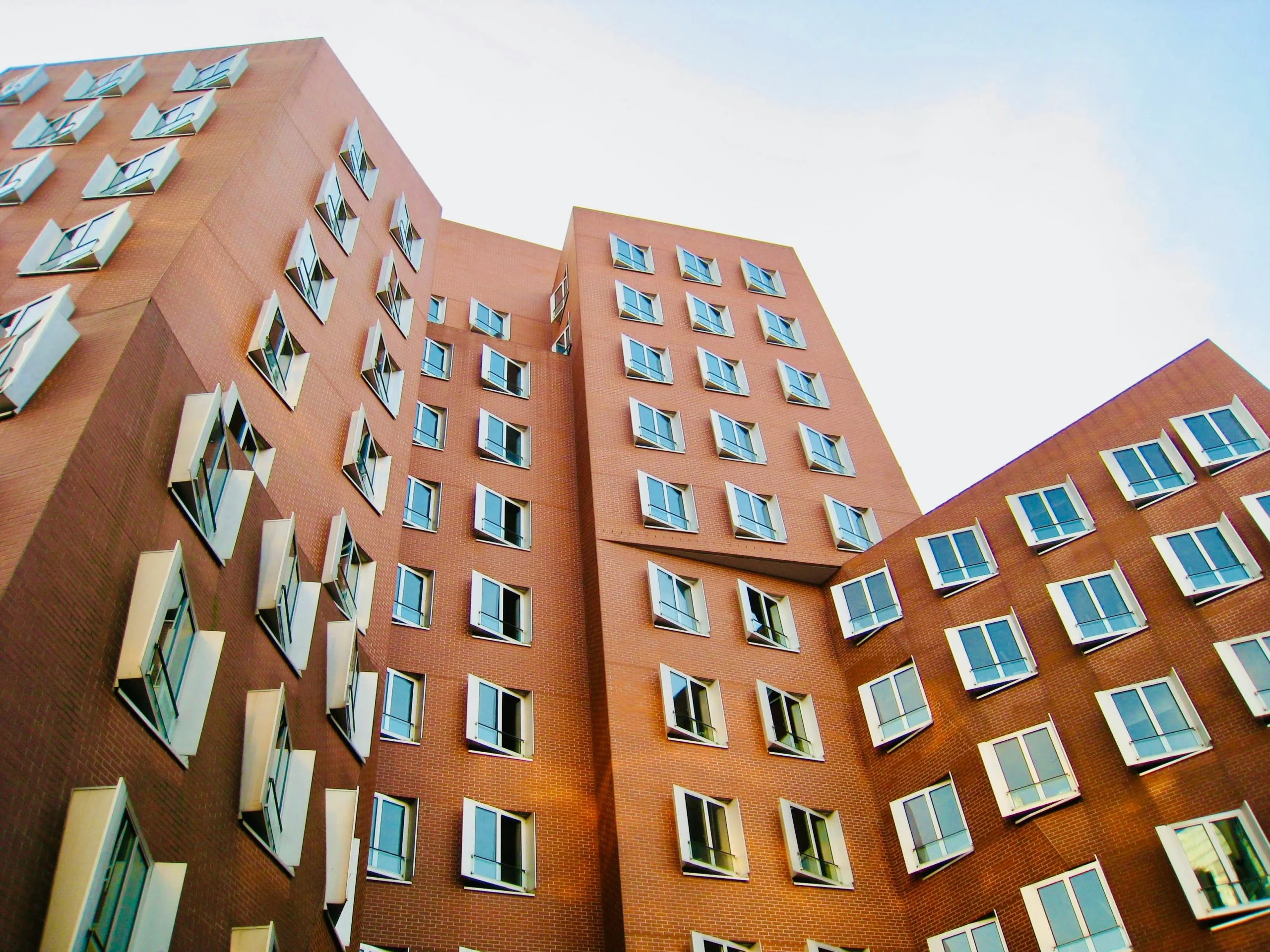

Five companies and partnerships associated with the Urban Splash property enterprise have been ordered to contribute more than £46.5 million towards the remediation of fire-safety defects in seven residential buildings in Manchester. The ruling provides a significant application of the Building Safety Act 2022, particularly its provisions on remediation contribution orders and the circumstances in which associated entities can be required to contribute to building safety costs.
What did the Tribunal decide?
In Secretary of State for Housing, Communities and Local Government v Urban Splash Limited & Ors [2026] UKFTT 1426 (PC), dated 5 November 2026, the First-tier Tribunal (Property Chamber) determined seven applications brought by the Secretary of State under section 124 of the Building Safety Act 2022.
The applications sought remediation contribution orders (RCOs) requiring the respondents to contribute towards the reasonable costs of addressing fire-safety defects in seven residential buildings developed by Urban Splash Limited.
The Tribunal, comprising Judge J Holbrook, Regional Judge N Walsh and Mr A Gee RIBA, concluded that orders should be made against five respondents: Urban Splash Limited, Urban Splash Developments Limited, Urban Splash Group Holdings Limited, Urban Splash Work Limited and Stubbs Mill LLP.
The total amount ordered was £46,500,650. The five respondents are jointly and severally liable, meaning that each is responsible for the full amounts specified in the orders rather than being assigned a separate percentage of the overall liability.
- Total RCO liability £46.5m £46,500,650
- Buildings involved 7 Manchester residential properties
- Respondents ordered to pay 5 Joint and several liability
- Reasonable remediation costs £60.6m Including VAT
The Tribunal dismissed the applications against four respondents: TBI 2000 Limited, TM Freeholds Limited, SURE Residential A Limited and SURE Residential LLP. The applications against two further respondents, the Shed companies, had been withdrawn following a settlement reached before the final hearing.
Which buildings were involved?
The proceedings concerned seven high-rise residential buildings in Manchester, developed by Urban Splash Limited between approximately 2000 and 2008. Following the Grenfell Tower fire in June 2017, investigations identified alleged fire-safety deficiencies in the buildings. The extent of certain defects was disputed during the proceedings, but the Tribunal found that each building contained relevant defects requiring remediation.
The properties covered by the applications were:
- Burton Place – Castlefield, Manchester.
- Chips Building – New Islington, Manchester.
- Christabel House – Dalton Street, Manchester.
- Emmeline House – Dalton Street, Manchester.
- Moho Building – Ellesmere Street, Manchester.
- Sylvia House – Dalton Street, Manchester.
- The Box Works – Worsley Street, Manchester.
The Tribunal found that the relevant defects included combinations of combustible materials, ineffective cavity barriers and fire-stopping, and failures of compartmentation. These deficiencies were capable of allowing fire to spread through or over the buildings.
Although remediation had been completed by the time of the proceedings, the financial responsibility for the work remained disputed. The buildings were no longer owned by Urban Splash when the remediation took place, and the respondents had not received the Building Safety Fund payments.
How much did the remediation cost?
The Tribunal found that £60,638,548, inclusive of VAT, had been reasonably incurred or was reasonably to be incurred in remedying the relevant defects and in connection with the remediation work.
Of this amount, £51,510,063 represented expenditure funded or to be funded through the Government’s Building Safety Fund (BSF), while a further £741,594 had been reasonably incurred by the management company at Moho Building outside the BSF.
The Tribunal examined the technical evidence, remediation schemes, procurement arrangements and cost assessments. It preferred the Secretary of State’s fire-safety evidence and concluded that the remediation schemes fell within the range of reasonable professional responses to the defects.
The respondents had argued that the availability of public funding contributed to unnecessarily extensive and expensive remediation. The Tribunal considered examples including Burton Place and Moho Building, where costs increased significantly from their initial estimates as investigations and opening-up works revealed additional defects and previously concealed construction.
However, the respondents did not establish a coherent, technically viable and materially cheaper alternative that would have addressed the relevant defects to an equivalent standard.
| Cost category | Amount |
|---|---|
| Reasonable remediation expenditure across the buildings | £60,638,548 |
| Building Safety Fund expenditure | £51,510,063 |
| Moho Management Company expenditure outside the BSF | £741,594 |
| Total remediation contribution orders | £46,500,650 |
The Tribunal did not accept every item of expenditure without scrutiny. For example, it excluded the claimed waking watch costs at Moho because sufficient evidence had not been provided to establish that the amount claimed had been reasonably incurred.
It also examined the replacement of the distinctive lettering at Chips Building. Although the expenditure attracted particular scrutiny, the respondents did not establish that a materially cheaper alternative meeting the relevant planning, architectural and fire-performance requirements was available.
Which Urban Splash entities are liable?
A central issue was whether companies and partnerships associated with Urban Splash Limited could be required to contribute under the Building Safety Act 2022.
The Tribunal emphasised that an entity does not become liable simply because it is a developer or is legally associated with one. Section 124 requires the Tribunal to determine whether making the particular remediation contribution order would be just and equitable.
Nevertheless, the developer occupies a central position in the statutory hierarchy of responsibility for remediation costs. In assessing associated entities, the Tribunal considered the nature and strength of their connections with the developer, the buildings and the wider property-centred enterprise.
| Respondent | Outcome |
|---|---|
| Urban Splash Limited (R1) | RCO made – original developer. |
| Urban Splash Developments Limited (R2) | RCO made – associated group company. |
| Urban Splash Group Holdings Limited (R3) | RCO made – ultimate parent company. |
| Urban Splash Work Limited (R4) | RCO made – associated property enterprise. |
| TBI 2000 Limited (R5) | Application dismissed. |
| TM Freeholds Limited (R6) | Application dismissed. |
| SURE Residential A Limited (R7) | Application dismissed. |
| The Shed companies (R8 and R9) | Applications withdrawn following settlement. |
| SURE Residential LLP (R10) | Application dismissed. |
| Stubbs Mill LLP (R11) | RCO made. |
Urban Splash Limited was the developer of all seven buildings and had procured their design and construction before bringing them to market. The Tribunal considered its direct connection with the buildings and the resulting remediation liabilities to be particularly strong.
Urban Splash Developments Limited became the principal vehicle through which the group’s property development business continued following a restructuring in 2013. The Tribunal identified substantial continuity in ownership, control, personnel, business purpose and identity.
Urban Splash Group Holdings Limited was the ultimate parent company, where ownership and control of the surviving Urban Splash enterprise resided. Urban Splash Work Limited was also found to be a longstanding constituent of the wider property-centred enterprise, operating under common ownership and control.
Stubbs Mill LLP had been established after the seven buildings were completed and was not involved in their original construction. However, its members comprised five individuals who had formed the senior leadership of Urban Splash. The Tribunal considered the connections between Stubbs Mill, the wider Urban Splash enterprise and the individuals who collectively controlled Stubbs Mill LLP and Urban Splash Group Holdings Limited. These connections were sufficient to justify an order.
Why were some remediation orders refused?
The Tribunal distinguished between legal association and the separate requirement that an order must be just and equitable. It concluded that the existence of an association alone was insufficient to justify transferring remediation liabilities to another company or partnership.
TBI 2000 Limited and TM Freeholds Limited were private or family investment companies. Their activities and assets were separate from the Urban Splash property-centred enterprise, and neither had a meaningful connection with the buildings. The Tribunal also considered the potential impact on joint-venture investors who had no connection with Urban Splash.
The position of SURE Residential A Limited and SURE Residential LLP was also considered separately. These entities formed part of a regulated investment fund investing in completed UK residential property. Although the fund had enjoyed a close commercial relationship with Urban Splash, its assets were held predominantly for investors who had no involvement in developing the buildings.
The Tribunal found that SURE Residential A Limited was associated with Urban Splash Limited because of a common directorship, but that did not establish that making an RCO was just and equitable.
SURE Residential LLP was found not to be associated with Urban Splash Limited through the principal control gateway relied upon by the Secretary of State. The Tribunal concluded that influence over the fund’s creation and early investment opportunities did not amount to control, given its genuinely independent investment decision-making processes.
Although SURE Residential LLP fell within a separate landlord gateway in relation to two buildings because it held leases of several flats, the Tribunal did not consider those limited circumstances sufficient to justify an order.
The Tribunal therefore dismissed the applications against these four respondents, distinguishing their circumstances from those of the entities that formed part of the wider Urban Splash property enterprise.
Why was the amount reduced by 10%?
One of the significant aspects of the decision concerned the Government’s role in the wider building-safety crisis. The respondents relied on findings from the Hackitt Review and the Grenfell Tower Inquiry, which had identified shortcomings in the regulatory framework, statutory guidance, building control and enforcement.
The Tribunal did not attempt to determine or quantify the relative responsibility of Government and the construction industry for the crisis. It nevertheless considered the Government’s accepted failures relevant to the exercise of its discretion under section 124 of the Building Safety Act.
As a result, it reduced by 10% the Building Safety Fund-funded remediation expenditure that Urban Splash Limited would otherwise have been required to pay.
The 10% reduction was not a finding that Government was responsible for 10% of the defects or remediation costs.
The Tribunal expressly clarified that the reduction was not an apportionment of causative responsibility between Government and Urban Splash. It represented the Tribunal’s assessment of the adjustment required to achieve a just and equitable result.
The Tribunal also considered that aspects of the original construction of several buildings had failed to satisfy the Building Regulations or statutory guidance applicable at the time of development. Had the buildings been shown to comply with those standards, it would have attached materially greater weight to the Government responsibility argument.
Following this reduction and other adjustments, including credit for the £600,000 settlement payment made by the Shed companies in relation to Moho Building, the total liability under the orders was £46,500,650.
What does the decision mean for building safety?
The ruling provides an important illustration of how the Tribunal may approach remediation contribution orders where the original developer operates within a wider corporate and property investment structure.
It demonstrates that the just and equitable test under section 124 requires a detailed examination of the actual relationships between companies, their involvement in the relevant enterprise, their connections with the buildings and the wider circumstances of the remediation expenditure.
The decision also makes clear that a company cannot be made liable merely because it is legally associated with a developer or has sufficient assets to meet an order. The statutory test requires a substantive assessment of whether imposing the liability is fair in the particular circumstances.
For developers and associated entities, the ruling highlights the importance of examining corporate restructuring, common ownership and control, business continuity and the extent to which separate entities form part of a wider property-centred enterprise.
For building owners, leaseholders and those involved in remediation projects, the decision also demonstrates the Tribunal’s willingness to examine technical evidence and remediation costs in detail while assessing whether expenditure was reasonable.
Ultimately, the Tribunal placed the developer at the head of the statutory hierarchy for remediation costs, while recognising that the circumstances of associated companies and partnerships must be assessed individually.
Frequently asked questions
What is a remediation contribution order?
A remediation contribution order is an order made under section 124 of the Building Safety Act 2022 requiring a specified company or partnership to contribute towards the costs of remedying relevant building-safety defects or associated expenditure.
How much were Urban Splash and the associated entities ordered to pay?
The Tribunal ordered five respondents to pay a combined total of £46,500,650 in remediation contributions relating to seven residential buildings in Manchester.
Which companies were ordered to pay?
The orders were made against Urban Splash Limited, Urban Splash Developments Limited, Urban Splash Group Holdings Limited, Urban Splash Work Limited and Stubbs Mill LLP.
Are the five respondents jointly and severally liable?
Yes. The Tribunal made the five respondents jointly and severally liable for the full amounts specified in the remediation contribution orders.
Why did the Tribunal reduce the remediation contribution amount by 10%?
The Tribunal applied a 10% reduction to the relevant Building Safety Fund-funded expenditure when exercising its discretion under section 124. The adjustment reflected the Government’s accepted failures in the wider building-safety regulatory framework. It was not a finding that Government caused 10% of the defects or costs.
Which buildings were covered by the decision?
The proceedings concerned Burton Place, Chips Building, Christabel House, Emmeline House, Moho Building, Sylvia House and The Box Works, all in Manchester.
Were all the respondents ordered to contribute?
No. The applications against TBI 2000 Limited, TM Freeholds Limited, SURE Residential A Limited and SURE Residential LLP were dismissed. The applications against the Shed companies were withdrawn following settlement.
Which legislation governed the applications?
The applications were made under section 124 of the Building Safety Act 2022, which gives the Tribunal power to make remediation contribution orders where it considers them just and equitable.