
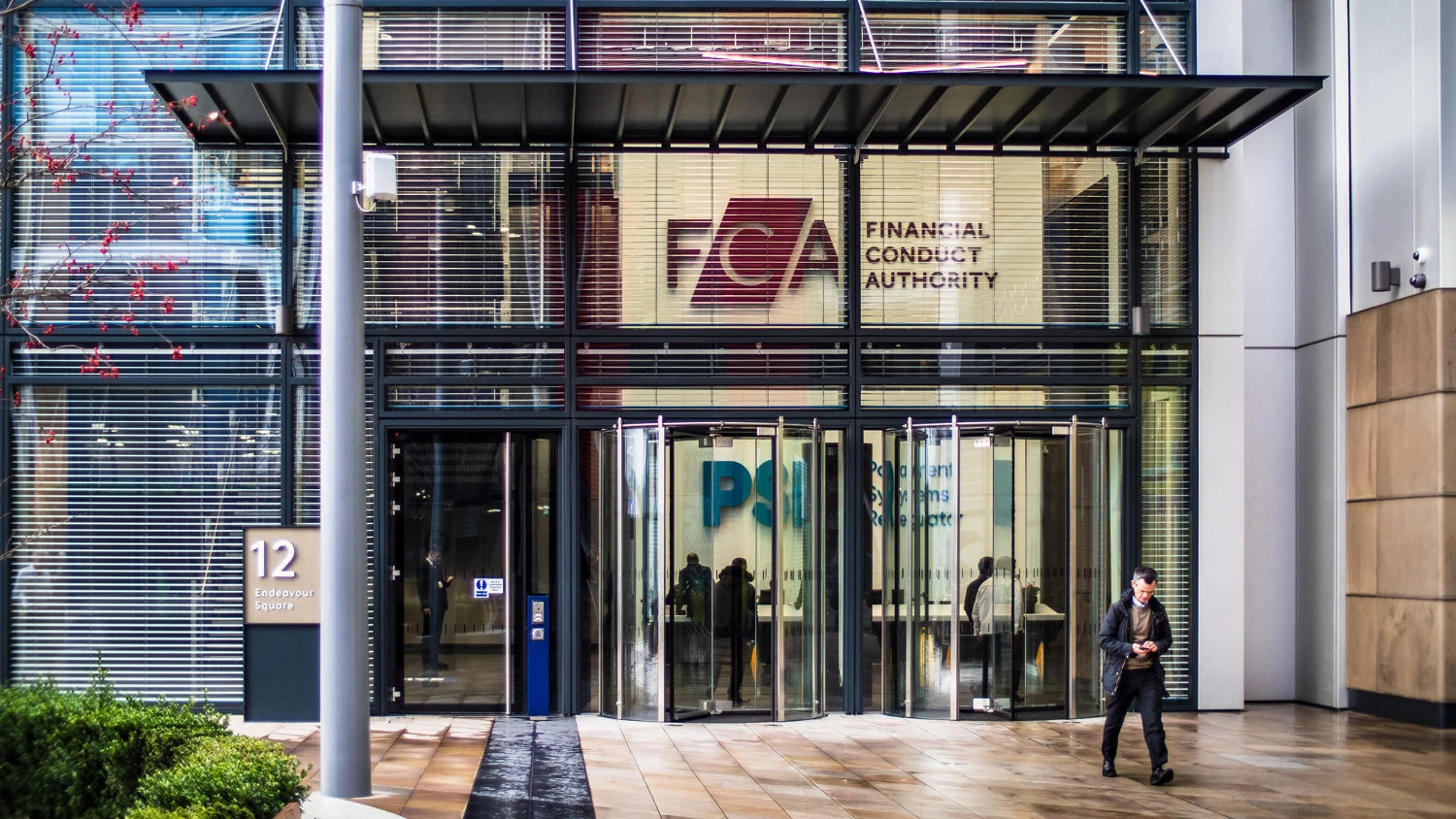

The Financial Conduct Authority has acted to protect consumers facing demands to repay loans associated with disguised remuneration tax avoidance schemes, after agreeing restrictions with debt-servicing firm Ethica Resolve Limited.
What has the FCA done?
In a statement published on 5 November 2026, the Financial Conduct Authority (FCA) confirmed that it had intervened following demands made to individuals for repayment of loans, or purported loans, provided through disguised remuneration arrangements.
Ethica Resolve Limited (Ethica), an FCA-authorised firm that services and collects debt on behalf of creditors, has agreed to restrictions following the FCA’s intervention. The measures are intended to protect affected consumers from avoidable harm while regulatory and legal questions about the purported loans are considered.
The FCA has stressed that it has not yet been decided whether the debts can be enforced. That question may ultimately need to be determined by a court.
Who is involved in the repayment demands?
Ethica has been acting on behalf of West 28th Street Limited (West 28), which purchased disguised remuneration loans from a third party. The FCA’s statement confirms that West 28 is not authorised or regulated by the FCA.
The FCA’s intervention concerns the activity of seeking repayment from people who were previously paid through loan arrangements rather than receiving their remuneration as ordinary salary. Some of those contacted dispute that they are liable for the sums claimed and challenge whether the debts are legally enforceable.
The distinction between the debt collector and the company that acquired the loans is important: Ethica is the FCA-authorised firm that has agreed to the restrictions, while West 28 is the creditor on whose behalf it has been acting.
What are disguised remuneration schemes?
Disguised remuneration schemes involved workers being paid for their services through loans instead of receiving a conventional salary. Those affected commonly included contractors, consultants and agency workers. The arrangements were used as a way of avoiding tax, and HM Revenue and Customs (HMRC) has sought to address the issue through the loan charge and related measures.
In some cases, the original providers later sold outstanding loan balances to third parties. Those third parties have subsequently contacted individuals to seek repayment, including people who may have understood that the loans would not be called in or would not need to be repaid.
HMRC’s guidance explains that a repayment request may take different forms, including a letter requesting loan details, a demand for repayment or interest, or a statutory demand. It also advises individuals to obtain independent legal advice from a professional with relevant experience in disguised remuneration and commercial law.
What restrictions have been agreed?
Under the requirements agreed with the FCA, Ethica must take specific steps in relation to the affected consumers and the proposed court proceedings.
- Written clarification: Ethica will write to affected consumers explaining that they do not have an enforceable obligation to make payment at this stage. In practical terms, they do not need to pay now while the regulatory and legal issues concerning the purported loans are resolved.
- Pause on further demands: Ethica will not make further payment demands from affected consumers in the current proposed court claim during this period.
- No default judgments: Ethica and West 28 will not ask a court to enter judgment against someone who has failed to respond to a legal claim. This is known as a default judgment.
- Protection for vulnerable consumers: Additional protections are being put in place, and Ethica will identify consumers who may be vulnerable.
The restrictions are intended to prevent avoidable pressure and harm while the underlying legal and regulatory questions remain open. They do not amount to a final ruling that every loan covered by the demands is unenforceable.
What should affected consumers do?
The FCA has made clear that consumers should not ignore formal court documents they receive in connection with these claims. Anyone who is uncertain about their position should consider obtaining independent legal or debt advice before deciding how to respond.
Earlier FCA guidance on the issue warned people who dispute liability to consider carefully whether to make a payment and to review HMRC’s guidance. HMRC also advises individuals to check the identity and authority of the party seeking repayment, review the original loan documents and consider whether the lender or any subsequent debt owner held the necessary regulatory permissions or an applicable exemption.
Where a statutory demand has been served, strict time limits may apply to challenging it. Affected individuals should therefore seek advice promptly rather than assume that the FCA’s intervention removes the need to respond to legal documents.
The FCA has also reminded consumers that they should not be subjected to undue pressure when contacted about a debt. People who believe they have experienced this type of behaviour can report it to the regulator.
What remains unresolved?
The FCA’s intervention does not determine whether the disputed loan agreements are legally enforceable. The regulator says that this issue has not yet been decided and may be resolved by a court.
The FCA has previously explained that those seeking to enforce certain loans may need to obtain a Validation Order. Any request for such an order would be considered carefully and approval is not guaranteed. Where a required Validation Order is not granted, the debt would remain unenforceable.
For now, the restrictions agreed with Ethica provide an interim safeguard: affected consumers are to be told that payment is not enforceable at this stage, further demands in the current proposed claim are paused, and default judgments will not be sought while the relevant issues are being resolved.
Frequently asked questions
Does the FCA say that affected consumers never have to repay the loans?
No. The FCA says that consumers do not have an enforceable obligation to make payment at this stage while the regulatory and legal issues are resolved. Whether the debts can ultimately be enforced has not yet been decided.
What is Ethica Resolve Limited’s role?
Ethica is an FCA-authorised firm that services and collects debt on behalf of creditors. It was acting for West 28th Street Limited in relation to the repayment demands.
Can consumers ignore court documents because of the FCA’s intervention?
No. The FCA specifically advises consumers not to ignore formal court documents. Individuals should consider obtaining independent legal or debt advice before deciding how to respond.
What is a default judgment?
A default judgment is a court judgment that may be entered when a defendant does not respond to a legal claim. Under the agreed restrictions, Ethica and West 28 will not ask a court to make a default judgment against an affected person.
Have the disputed loans been declared unenforceable?
No. The FCA has not made a final determination on enforceability. It says the issue may be decided by a court and that the restrictions are intended to protect consumers while the relevant questions are resolved.