
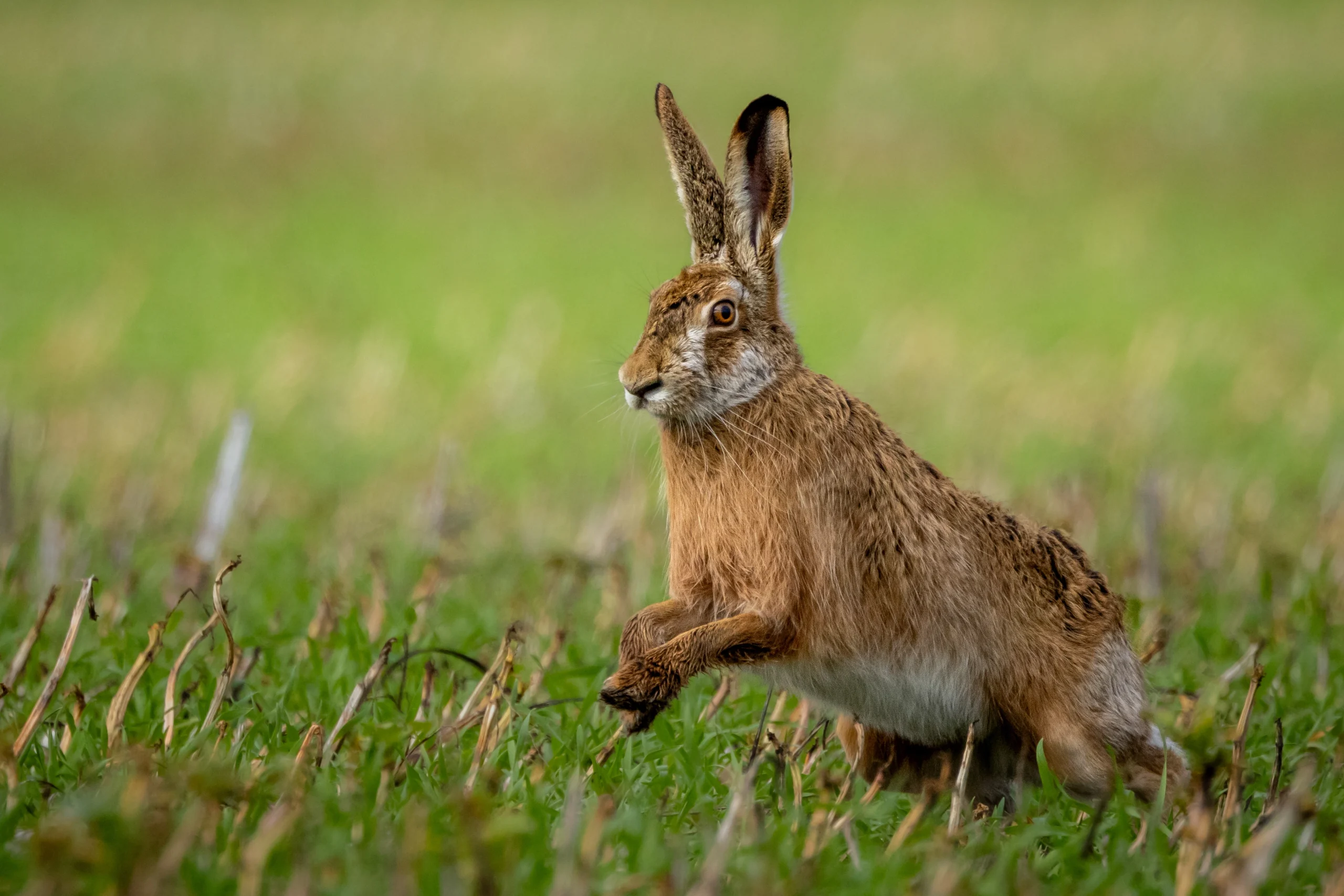

Sentencing Council confirms stricter approach to Hare coursing offences from June 2026
The Sentencing Council has confirmed tougher sentencing guidance for hare coursing offences following widespread concern over violence, organised crime links and harm to wildlife. The new guidelines, which come into force on 1 June 2026, follow a consultation that drew 139 responses from magistrates, prosecutors, police, farming organisations, animal welfare groups and members of the public.
In its consultation response, the Sentencing Council said courts will now place greater emphasis on the wider impact of hare coursing, including harm to animals, damage to land and crops, and intimidation experienced by rural communities. The revised guidance follows changes introduced under the Police, Crime, Sentencing and Courts Act 2022, which increased maximum penalties for several hare coursing offences from fines to up to six months’ imprisonment.
The Council said consultation responses highlighted that even small-scale incidents can cause serious distress and disruption. As a result, proposed distinctions between “large group” and “small group” offending were removed from the final guideline after concerns that organised offenders often split into smaller units to avoid detection.
Instead, courts will focus on planning and organisation when assessing culpability. The expectation of financial gain linked to gambling activity will also count as a higher culpability factor. The Council also strengthened the harm category within the guideline after respondents argued that cruelty to hares and damage to wildlife had not been sufficiently reflected in the draft proposals.
Under the final guideline, Category 1 harm now includes distress, injury and loss of life to animals, alongside serious damage to land, crops and wildlife habitats. Sentence levels have also been increased for the most serious offences. The Council confirmed that starting points for the highest category cases have risen following feedback from magistrates and consultees who considered the original proposals too lenient.
Courts are also being encouraged to consider a wider range of ancillary orders, including dog disqualification orders, deprivation orders for equipment such as vehicles, drones and searchlights, compensation orders and confiscation proceedings linked to gambling profits.
Additional aggravating factors in the final guideline include the presence of weapons, the use of vehicles to chase animals or evade detection, and the use of technology or social media to record or promote hare coursing activity. Lady Justice Juliet May, Chair of the Sentencing Council, said the new guideline would help courts deliver a more consistent approach to sentencing while recognising the serious impact hare coursing offences can have on communities, property and wildlife.