
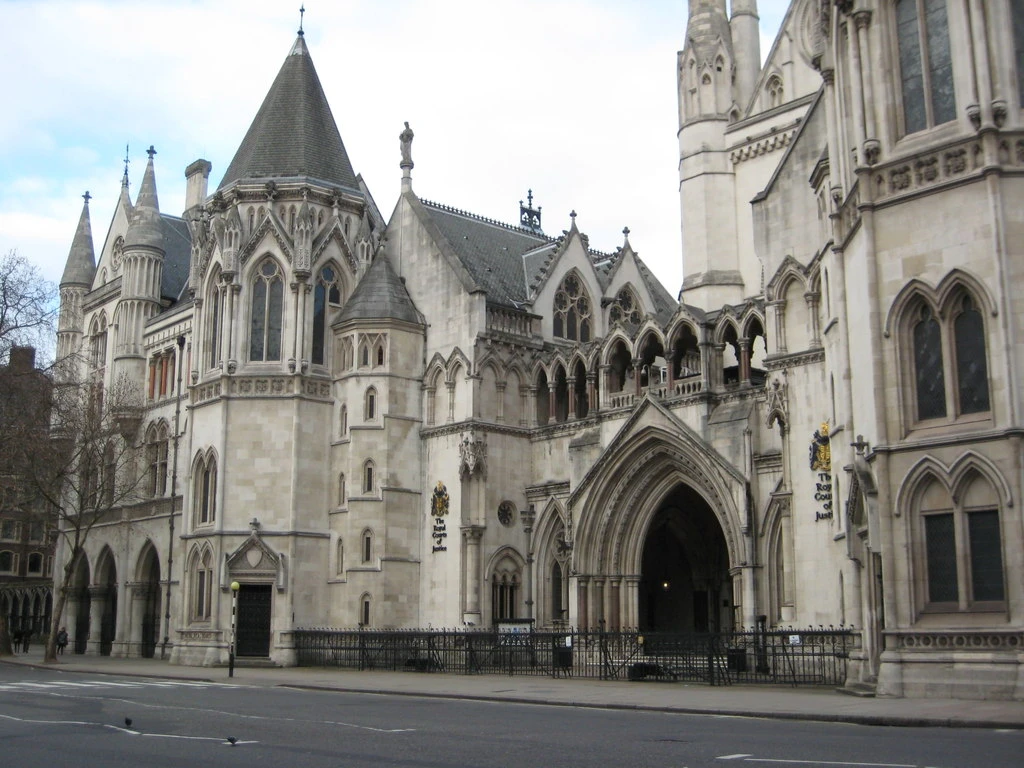


The Divisional Court found the conviction was a proportionate interference with his rights
The Divisional Court has dismissed Neil Cox’s appeal against his conviction for disorderly behaviour after he walked naked along a public footpath near Macclesfield.
The naked walker conviction arose from an incident on 22 August 2023, when Mr Cox was walking along Middlewood Way at about 6.30am. He encountered an off-duty police officer and two women. The Crown Court found that his conduct was disorderly and that the circumstances were such that people were likely to experience alarm or distress.
Mr Cox was subsequently convicted under section 5 of the Public Order Act 1986 at Crewe Magistrates’ Court and fined £800 plus costs. His appeal to Chester Crown Court was dismissed in November 2024. The Crown Court then stated a case for the Divisional Court, raising questions about the interpretation of section 5 and the effect of Mr Cox’s rights under Articles 8 and 10 of the European Convention on Human Rights.
The court accepted that Mr Cox was a naturist and that his belief in naturism was genuine and legitimately held. It also found that he had deliberately chosen what he regarded as a quiet route and did not intend to cause harm or distress. However, he knew that he might encounter other people and was aware from previous experience that reactions to his nudity could include anger, annoyance or upset.
The Divisional Court considered section 5 of the Public Order Act 1986, which makes it an offence to use threatening or abusive words or behaviour, or disorderly behaviour, within the sight or hearing of someone likely to be caused harassment, alarm or distress. The provision also contains a defence where the defendant can establish that their conduct was reasonable.
The court held that whether behaviour is disorderly is an objective question of fact. The assessment must take account of the particular circumstances, while the statutory language must be applied consistently with Convention rights. The court also emphasised that “disorderly” behaviour and the likelihood of causing harassment, alarm or distress are separate requirements.
Articles 8 and 10 were engaged in the case. The judgment noted that public nudity can, in some circumstances, constitute a form of expression protected by Article 10. However, the court distinguished Mr Cox’s circumstances from cases involving public protest or an attempt to communicate an opinion. It described his conduct as a lifestyle choice rather than political speech, protest or speech on a matter of public interest, placing it at the lower end of the Article 10 hierarchy.
The court also rejected an argument that the criminal law should not have been used because less intrusive options might have been available. It held that the proportionality of the decision to prosecute was not a matter for the court trying the criminal charge, unless the prosecution amounted to an abuse of process.
Ultimately, the Divisional Court concluded that the Crown Court had been entitled to find the conduct disorderly and that the conviction was not disproportionate. The appeal was therefore dismissed.