


MP warns Lord Chancellor Lammy to justify ending jury trials for minor offences with evidence
Lord Chancellor David Lammy will need to provide “clear evidence” to justify ending jury trials for all but the most serious cases, according to a senior MP. The warning comes after a leaked briefing suggested major changes to how criminal trials would be conducted, including limiting jury trials to cases of rape, murder, manslaughter, and other ‘public interest’ offences.
The leaked briefing, circulated among ministers and civil servants earlier this week, indicated that defendants facing charges carrying a sentence of up to five years could be tried by a judge alone. This would go beyond the three-year limit recommended by the Leveson review of criminal court delays, which proposed that fewer cases be heard by a jury to help alleviate the court backlog.
However, the Ministry of Justice has emphasised that no final decision has been made, despite the proposals already sparking significant backlash. Solicitors and barristers have expressed concerns, and the issue prompted an ‘urgent question’ in the House of Commons on Wednesday.
Embed from Getty Images
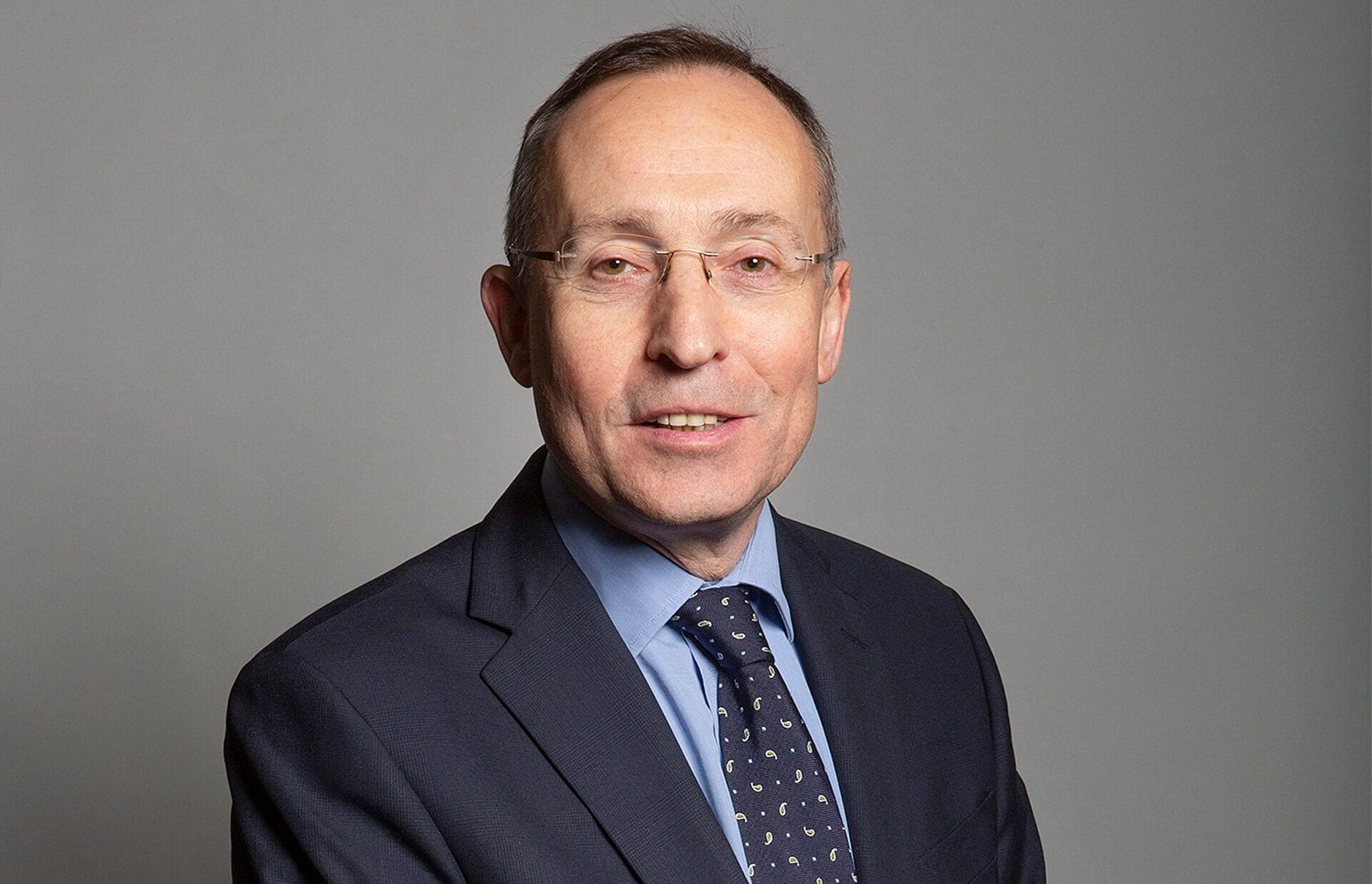
Andy Slaughter, Labour MP and chair of the House of Commons Justice Select Committee, responded to the leaked briefing by questioning the need for such changes. He warned that if Lammy sought to go beyond the Leveson recommendations, he would need to present compelling evidence as to why the reform was necessary. Slaughter argued that the proposal could undermine the integrity of the justice system, stating, “We are all still very proud of our system of justice, and this could offend it.”
Slaughter also criticised the plan to extend magistrates courts’ powers beyond the current 12-month limit, which he said could further erode access to fair trials. Conservative MP Sir Edward Leigh, a former barrister, shared similar concerns, arguing that the role of juries in trials was crucial to upholding justice. Leigh, who served on a jury, expressed his belief that juries brought an essential perspective to trials, especially for minor offences. He said, “A person of previous good character must have the right to a jury trial,” adding that the removal of this right would be a dangerous step for justice.
Justice Minister Sarah Sackman responded to the concerns but declined to comment on the leaked briefing. She assured the Commons that jury trials would remain a cornerstone of British justice for the most serious crimes. However, she pointed out that 90% of criminal cases are already tried without a jury, and civil courts do not use juries at all.
Sackman suggested that any proposals to limit jury trials would be considered once the criminal justice system was in a more sustainable position. She also confirmed that the government’s response to the first part of the Leveson review would be published soon, with reports indicating that the government’s response is likely to adhere to Leveson’s recommendation of a three-year threshold for jury trials.