
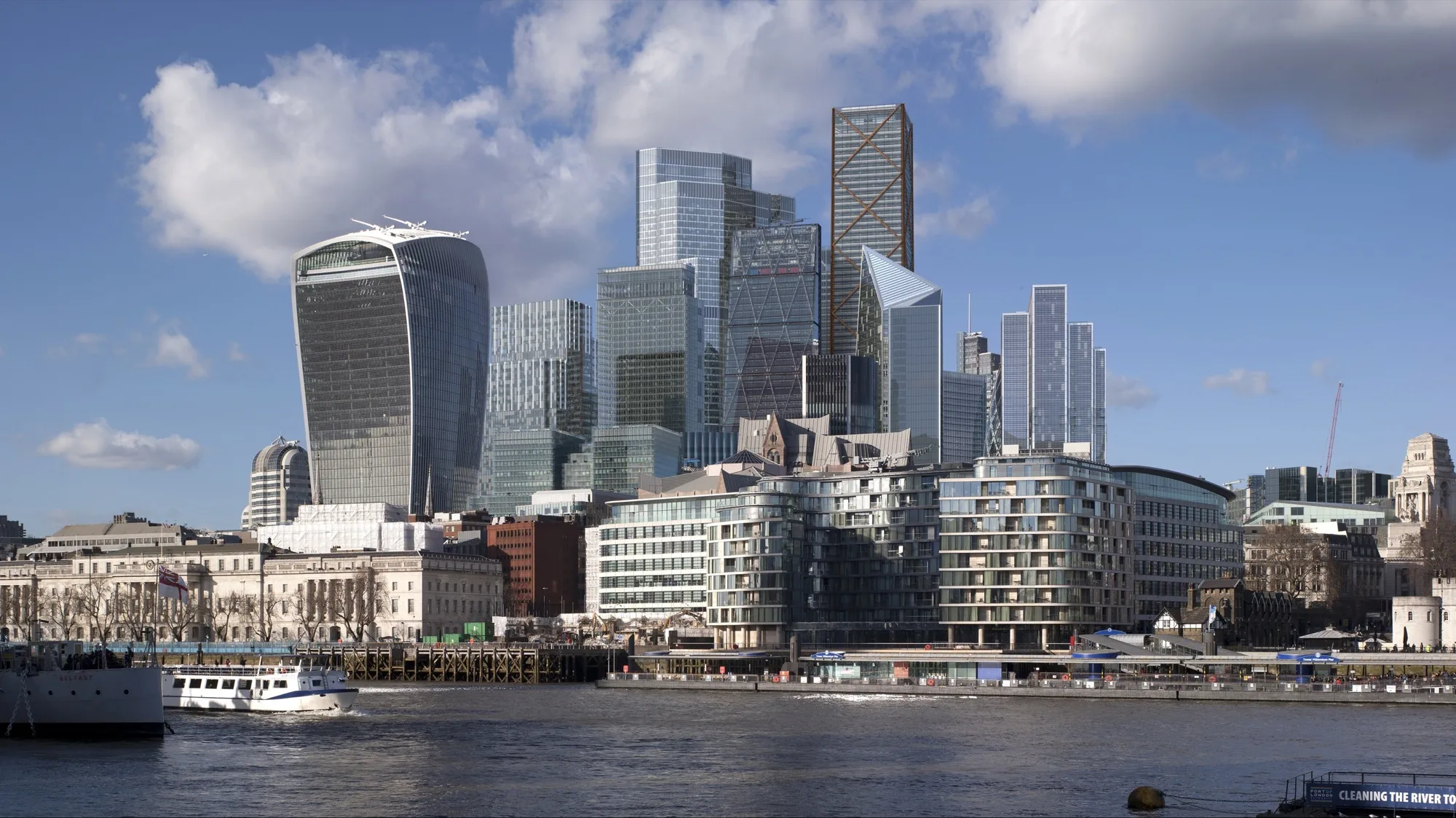

US firms are increasingly active across key litigation venues, from the Competition Appeal Tribunal to the Technology and Construction Court
US law firms are cementing their position in London’s highest-value litigation market, with new research indicating they are securing an increasing share of the capital’s biggest and most hard-fought commercial disputes.
Analysis by litigation data platform Solomonic found that while US firms still account for only a small proportion of overall litigation activity, they are increasingly concentrated in the cases that matter most financially and strategically.
The clearest shift is visible in the Commercial Court, the specialist forum for major business disputes. US firms were involved in an average of 15.9% of Commercial Court claims between 2014 and 2019, 15.5% between 2020 and 2022, and 18.9% between 2023 and 2025 meaning nearly one in five cases before the court now features a US firm.
The data suggests US firms have deliberately targeted the premium end of London disputes work rather than pursuing volume litigation. Although involved in around 4% of claims overall between 2020 and 2025, the median claim value for US firms in 2025 stood at approximately £10m, compared with an all-firm average of around £740,000 a 13-fold difference.
Solomonic said US firms have become a “go-to choice” for complex, high-value and trial-intensive litigation in London.
The trend reflects years of investment by US practices in London disputes capability through lateral recruitment, high partner remuneration and the expansion of specialist litigation, arbitration and competition teams.
A small group of firms dominate this activity. Between 2020 and 2025, the most active US firms by number of claims were Quinn Emanuel Urquhart & Sullivan, Cleary Gottlieb Steen & Hamilton, Reed Smith, Jones Day and Morgan Lewis & Bockius, each appearing in more than 100 matters. Baker McKenzie and Scott & Scott followed closely behind.
The research also found US firms are particularly active beyond the Commercial Court, including in the Business List, General King’s Bench Division, Intellectual Property List, Competition Appeal Tribunal and Technology and Construction Court.
Some of the largest current disputes illustrate the scale of work involved. They include the £36bn BHP dam litigation and the multi-billion-pound Merricks v Mastercard collective action, alongside arbitration and sovereign disputes such as Nigeria v P&ID and Law Debenture v Ukraine.
The analysis also points to a distinct litigation style. Claims involving US firms reached a judicial outcome 21% of the time, compared with a market average of 9%, suggesting US practices are disproportionately involved in disputes that proceed all the way to trial rather than settling earlier.
Solomonic noted that US firms are often perceived as more aggressive litigators, reflecting both their US market heritage and their growing involvement in funded claims, competition actions and other high-stakes disputes.
The findings add to mounting evidence of a changing London disputes landscape, in which US firms are no longer peripheral challengers but increasingly embedded at the top end of the commercial litigation market.