
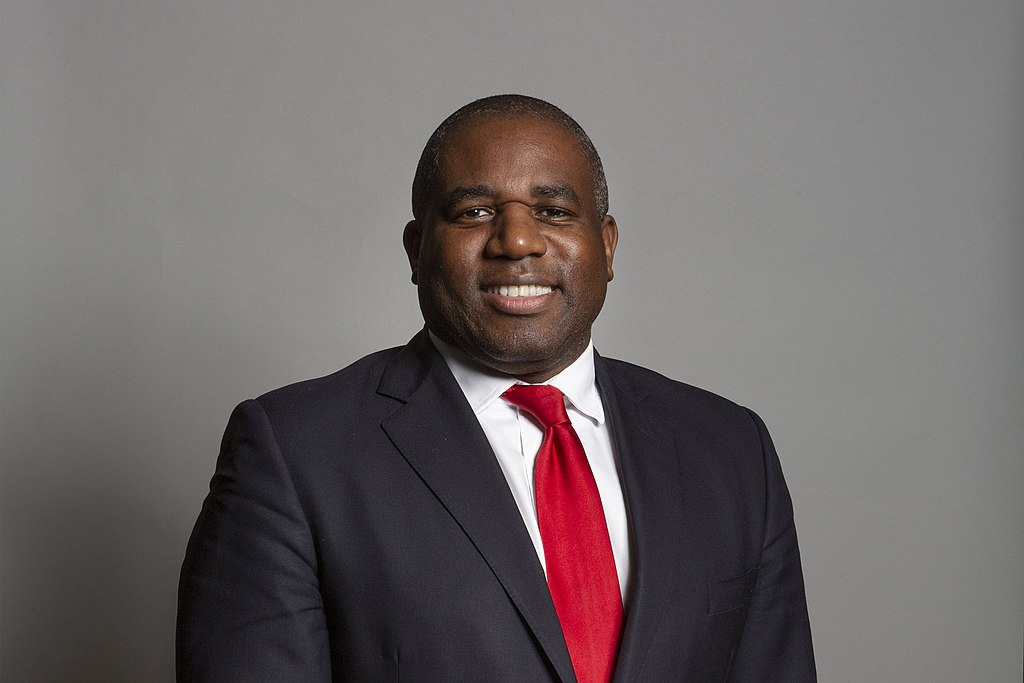


David Lammy reveals a plan to slash jury trials, boosting judge-only hearings for quicker justice
Lord Chancellor and Deputy Prime Minister David Lammy has unveiled his controversial plan to overhaul the criminal justice system by significantly reducing the role of jury trials. In a statement to Parliament on December 2, Lammy outlined the creation of new ‘swift courts’ where cases likely to result in sentences of three years or less would be handled by a judge sitting alone. This judge-only process is expected to reduce trial time by up to 20%, helping to alleviate the severe backlog in Crown Courts, which is predicted to exceed 100,000 cases by 2028.
As part of the reforms, only the most serious criminal cases, including rape, murder, and human trafficking, will retain the guarantee of a jury trial. For other serious but non-indictable offences, such as technical fraud and complex financial crimes, Lammy proposed judge-only trials to ensure more efficiency. This measure follows a recommendation from Sir Brian Leveson, who had previously suggested establishing a new ‘bench division’, where a judge would be flanked by two magistrates to expedite proceedings.
Lammy’s plan also includes increasing magistrates’ sentencing powers from 12 to 18 months, with a possibility to extend it further to two years. This change aims to clear more minor cases from the backlog, allowing Crown Courts to focus on more complex matters. He explained, “These reforms are bold, and while it will take time to turn the tide on the backlog, they are essential to address the court emergency.”
A key part of the proposal is the elimination of the right to elect a jury trial for certain offences, a practice that Lammy described as “peculiar” and a “disservice” to the public. He argued that it is not widely seen in other common law jurisdictions and causes unnecessary delays in the justice process.
Alongside these structural changes, Lammy also announced a £550 million investment in victim support services, aimed at providing both practical and emotional assistance to those affected by crime. Courts Minister Sarah Sackman highlighted the profound impact of court delays on victims, many of whom feel re-traumatised as cases drag on.
While the proposed reforms are in line with Leveson’s earlier recommendations, they will require primary legislation to be fully implemented. Leveson himself expressed that, in his long tenure in the criminal justice system, he had never witnessed such overwhelming pressure on the courts. He warned that increased sitting days and efficiency alone would not solve the deep-rooted issues plaguing the system.
Andy Slaughter MP, chair of the House of Commons Justice Select Committee, urged the government to evaluate the effects of the proposed reforms. He stressed the importance of ensuring that the changes reduce the backlog fairly without unfairly increasing conviction rates or lengthening sentences.