
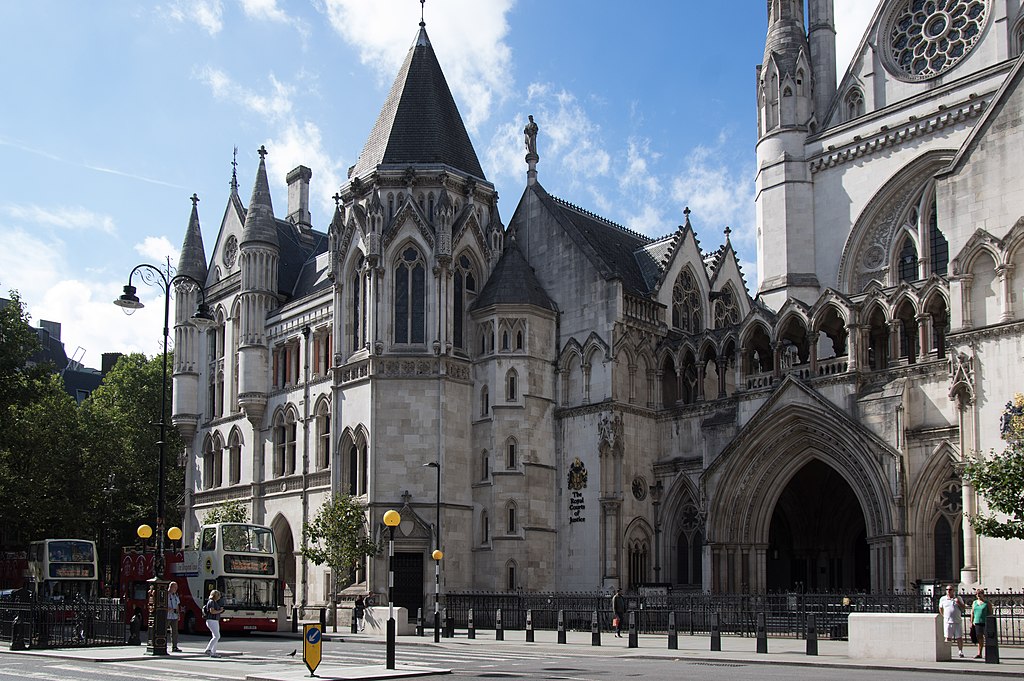


The court upheld a £42,500 award after repeated flooding of a Cheshire property.
A flooding nuisance appeal by Cheshire East Council has been dismissed by the High Court, which upheld a finding that repeated flooding of a Cheshire property amounted to private nuisance. The court also upheld damages of £42,500 awarded to Colin Eaton and Barbara Thorneycroft.
The claim concerned The Cottage at The Green in Wrenbury, where the claimants’ front driveway and garden flooded repeatedly between 2012 and late 2024. The property itself was not flooded. The claimants had complained to the council on numerous occasions, but the problem was not remedied until drainage and gully jetting was carried out in late 2024.
At the original trial in Chester County Court, Mr Recorder Shaw found the council liable in private nuisance and awarded £25,000 for diminution in the property’s value and £8,750 to each claimant for loss of amenity.
The council appealed on several grounds, including alleged procedural unfairness, challenges to factual findings and arguments that the recorder had imposed an unreasonable standard of care. It also argued that the judge had failed to distinguish between highway water and surface water.
Mr Justice Mansfield rejected the procedural complaints. He also held that an appeal is a review rather than a rehearing, with an appellate court required to exercise particular caution before interfering with findings of fact.
On liability, the High Court applied the approach in Vernon Knights Associates v Cornwall Council. That requires a multi-factorial assessment of matters including the foreseeable risk, available preventive measures, their cost and, where the defendant is a public authority, competing demands on its resources.
The court rejected the council’s argument that the distinction between highway water and surface water prevented liability. It found that the council had not established that this distinction affected the scope of its duty in the circumstances. The court also upheld the finding that the 2024 jetting had been effective in stopping the flooding, supported by expert evidence and the absence of further flooding despite heavy rain in 2025
Mr Justice Mansfield concluded that the recorder had carried out the required multi-factorial assessment and had not imposed an impermissibly high duty on the council. The appeal on liability was therefore dismissed.
The court also rejected challenges to the damages. It upheld the £25,000 assessment for diminution in value and the £17,500 combined loss-of-amenity award. Although the latter exceeded the £15,200 figure in the Schedule of Loss, the court found the difference was insufficient to make the procedural irregularity serious or the result unjust
The High Court ultimately dismissed the appeal in its entirety.