
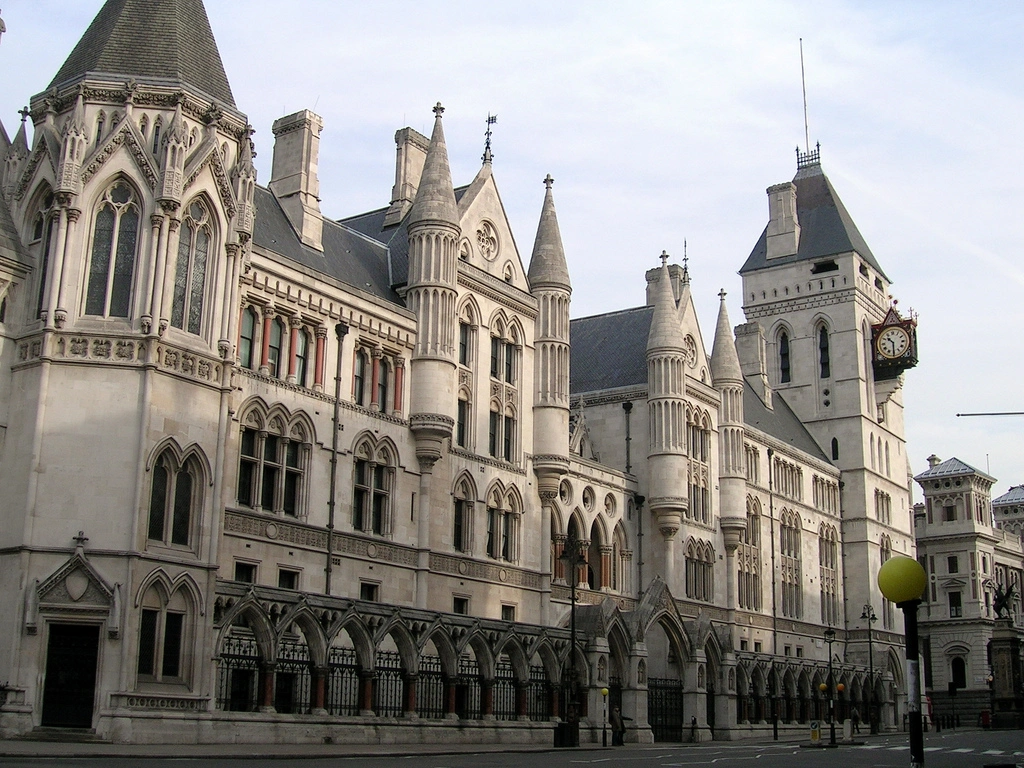

The Court of Appeal ruled that Part 18 cannot be used to investigate secret commissions in SOCA proceedings.
The Court of Appeal has ruled that ATE commission disputes cannot be pursued through a solicitor-and-own-client assessment (SOCA) where the issue falls outside the assessment of the solicitor’s bill.
The decision came in an appeal by Coupland Cavendish Limited, trading as Gowing Law, against a High Court ruling concerning former client Stephen Turner. The judgment was handed down on 21 September 2026 by Lady Justice Andrews, with Lord Justice Lewison and Lord Justice Phillips agreeing.
The dispute arose after Turner’s former solicitors arranged after-the-event (ATE) insurance for him. ATE insurance protects a claimant against certain legal costs and expenses if a claim is unsuccessful. The court noted that solicitors have an obligation to tell clients if they receive a commission or other financial reward from an ATE insurer.
Turner’s new solicitors sought answers under CPR Part 18, including whether the firm had received a direct or indirect payment from the ATE insurer or an intermediary in the form of a commission, discount, rebate, referral or marketing fee.
The Costs Judge refused to order the solicitors to answer the questions. The High Court subsequently allowed Turner’s appeal and directed that the request be answered. The solicitors then appealed to the Court of Appeal.
The Court of Appeal disagreed with the High Court’s approach.
Lady Justice Andrews held that SOCA proceedings concern the amount properly chargeable by the solicitor under the bill. The statutory assessment process is directed at the solicitor’s costs, including whether costs have been reasonably incurred and are reasonable in amount.
The court distinguished the solicitor’s bill from the cash account. The cash account provides information needed to establish the balance due after assessment, but it does not give the costs judge jurisdiction to investigate every payment received or allegedly omitted from the account.
The court held that a Part 18 request must concern a genuine matter in dispute within the proceedings. Part 18 cannot be used as a route to obtain disclosure where the real purpose is to investigate a separate potential claim.
The judgment also rejected the use of an alleged dispute over the cash account as a means of requiring the costs judge to investigate possible secret commissions. Where a client believes a solicitor has failed to account for money properly, the court said the remedy lies outside the SOCA process.
The Court of Appeal nevertheless recognised the difficulty for clients who suspect that a former solicitor received an undisclosed ATE commission. It noted that solicitors, as fiduciaries, ought to tell clients if they received such payments when asked. The court also observed that there may be no straightforward and cost-effective mechanism for a client to obtain an account where the solicitor refuses to provide the information voluntarily.
The appeal was therefore allowed.