

Bar Council study shows major accessibility barriers remain across leading chambers
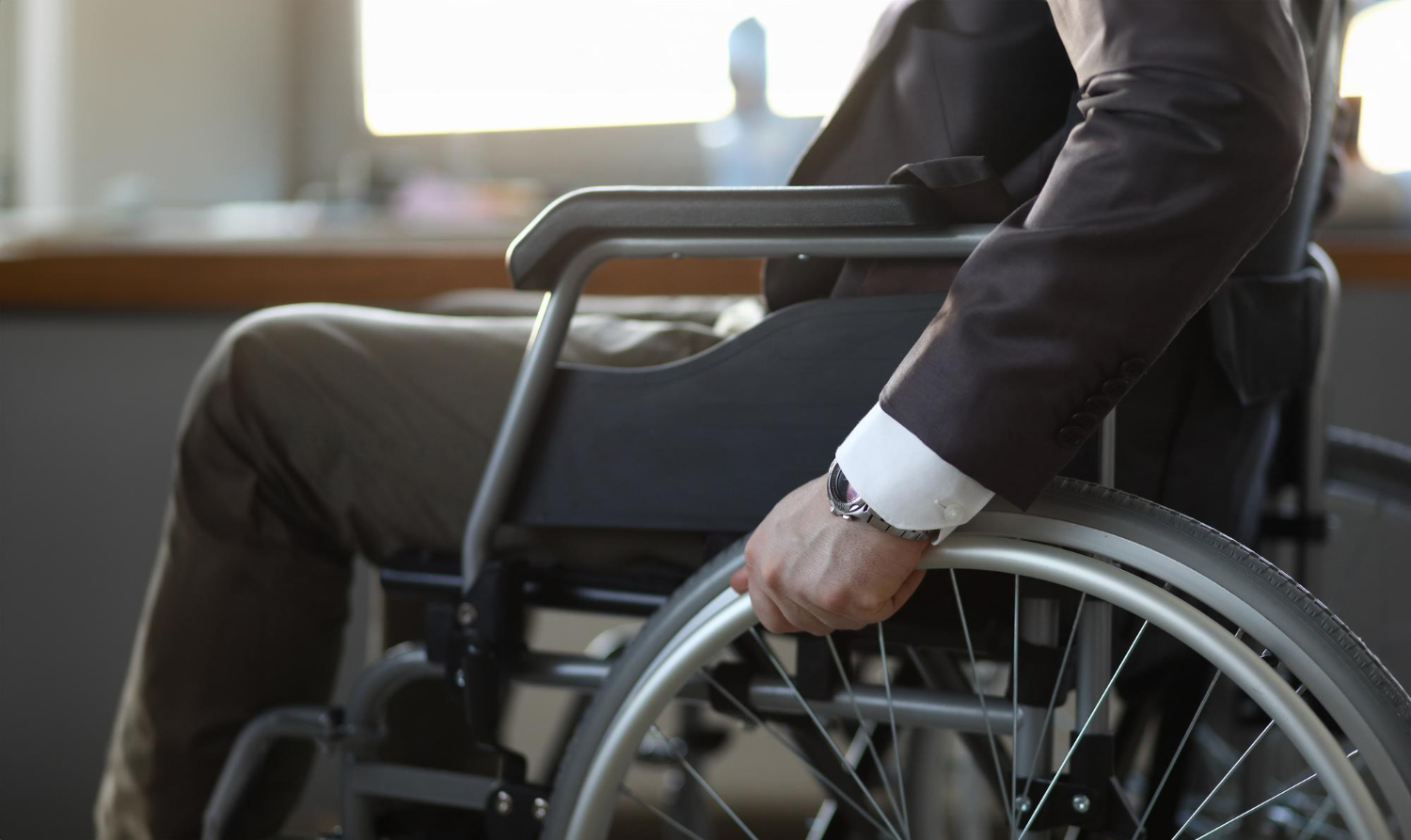
Almost 1 in 5 of the largest chambers in England and Wales are not accessible to mobility-impaired people, according to new research by the Bar Council. The report examined the physical accessibility of the biggest 200 sets of chambers and found significant variations based on practice area and the type of buildings occupied.
The findings show that 18% of the chambers surveyed were not accessible to disabled people in any practical sense. A further 31% offered only limited or restricted access, meaning disabled individuals could not independently enter or move around the premises or could do so only at certain times. By contrast, 34% provided full independent access and 17% offered basic access, which allowed independent entry and use of at least 1 conference room.
Accessibility varied considerably across sectors. The commercial and chancery Bar had the highest proportion of fully inaccessible sets at 38%. Criminal sets followed at 21%, then family sets at 19% and mixed practice sets at 13%. At the other end of the scale, 0% of general civil sets were entirely inaccessible. Family sets had the highest proportion of fully accessible chambers at 56%, followed by mixed practices at 38% and commercial and chancery at 31%.
Embed from Getty Images
Researchers noted that almost 50% of chambers provided no accessibility information on their websites. The absence of clear online guidance was described as a barrier that prevented disabled pupils, members and clients from making informed decisions before approaching a set.
The most commonly cited obstacle was the physical nature of chamber buildings. A total of 86% of respondents who lacked full access said they were based in historic or listed buildings that made significant alterations difficult. Other reasons included limited financial resources and insufficient information about feasible improvements. A minority said there had been no perceived need to undertake major changes.
The Bar Council collected responses from 147 chambers. Where a set operated from multiple buildings, it was recorded as fully accessible if at least 1 building met the criteria. The survey also found that 88% of chambers had some form of plan in place to accommodate disabled pupils or members, although the level of detail and practical effectiveness varied.
In a blog accompanying the findings, Sam Mercer, the Bar Council’s head of diversity and inclusion and corporate social responsibility, emphasised the effect that inaccessible premises can have on careers. She said that the inability to enter a building independently could severely undermine someone’s experience of the profession and limit informal interactions, networking opportunities and visibility within chambers.
The report recommends that chambers undertake accessibility audits, publish accessibility information online and prioritise accessibility when negotiating future leases. It also urges sets to identify and cost options for improvement and to prepare proactive plans where access remains restricted. Researchers noted that remote working cannot resolve the issues created by inaccessible premises and should not be treated as a substitute for physical access to the chambers community.