
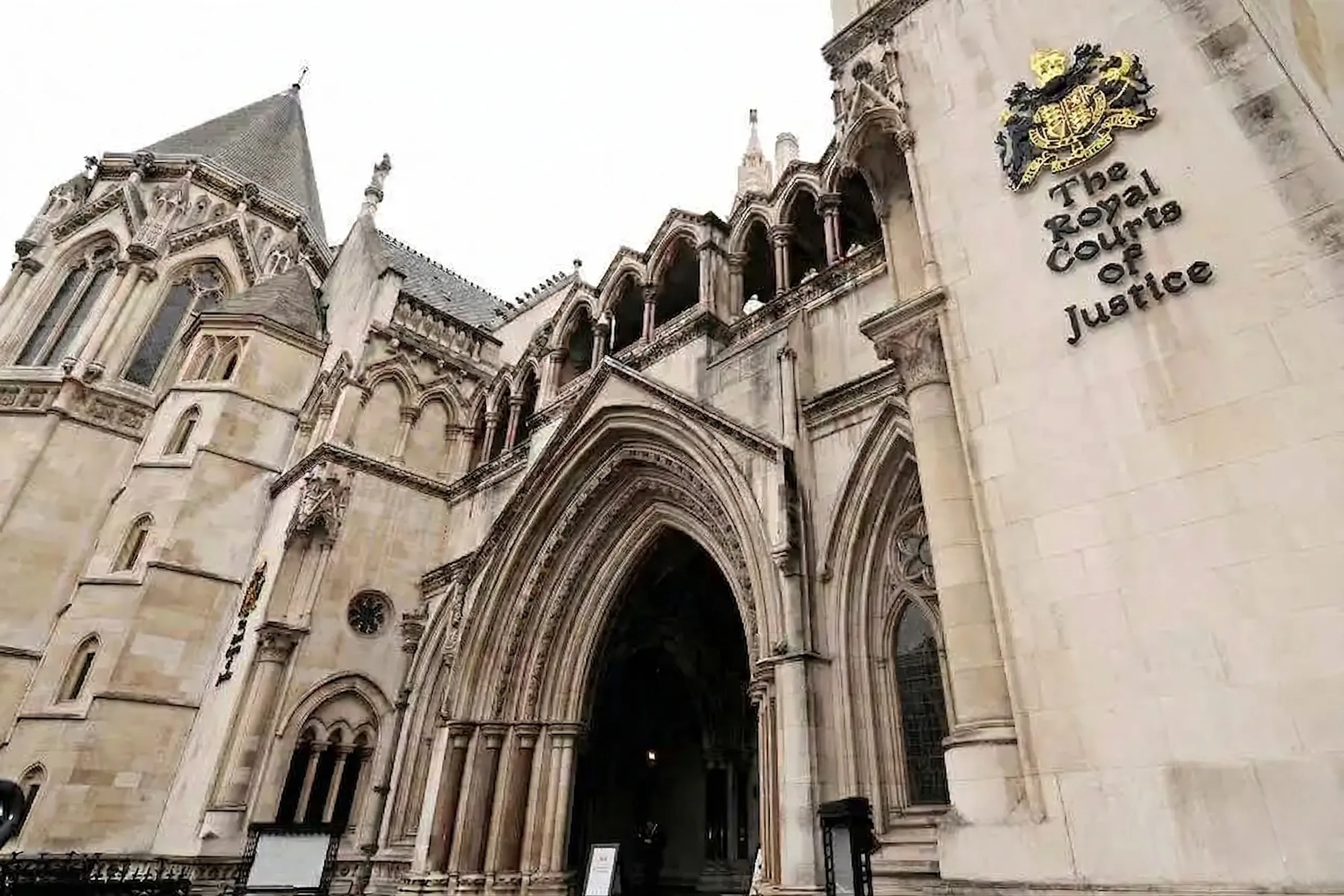

Appeal Court confirms not every breach of accounts rules will constitute professional misconduct
The Court of Appeal has ruled in favour of the Solicitors Regulation Authority in its case against Dentons UK and Middle East LLP, while confirming that not every breach of the rules will amount to professional misconduct.
In Dentons UK and Middle East LLP v SRA, the court considered whether breaches of the SRA Accounts Rules, arising from a transaction raising potential money laundering concerns, were sufficient in themselves to constitute misconduct.
Dentons accepted that breaches had occurred but appealed on four grounds. It argued that the High Court judge was wrong to overturn the Solicitors Disciplinary Tribunal’s finding that the breach was not “serious, reprehensible or culpable”, to quash the tribunal’s decision in full, to remit allegations under Principles 6 and 8 to a fresh panel, and to order costs against the firm.
The Court of Appeal rejected a strict or literal reading of the rules, stating: “We reject the grammatical interpretation of principle 7…” and made clear that seriousness is an inherent requirement in establishing misconduct.
It said: “Accordingly, we conclude that there is an inherent requirement of seriousness in considering whether a solicitor’s conduct amounts to a breach of the SRA principles or the mandatory provisions of the SRA code.
“An allegation of a breach of principle 7 can only be upheld, therefore, if the conduct… is sufficiently serious.”
The court framed the correct test as “whether the conduct in question would be considered sufficiently serious by competent and reputable solicitors that it be categorised as professional misconduct”.
It also noted that the SRA’s own framework supports this approach, observing that its rules, guidance and enforcement strategy all treat seriousness as a key factor before disciplinary action is taken.
In criticising the tribunal’s reasoning, the judges said the test applied by the SDT had gone too far, leading it to characterise Dentons’ breach as “entirely inadvertent” a conclusion they said they had “difficulty in understanding”.
While upholding the decision to quash the SDT’s ruling, the Court of Appeal ordered that the tribunal’s findings of fact should be preserved. It stated that the fresh tribunal would need to determine, “On the basis of those findings of fact, whether the firm was in breach and, if so, what sanction should be applied.”