
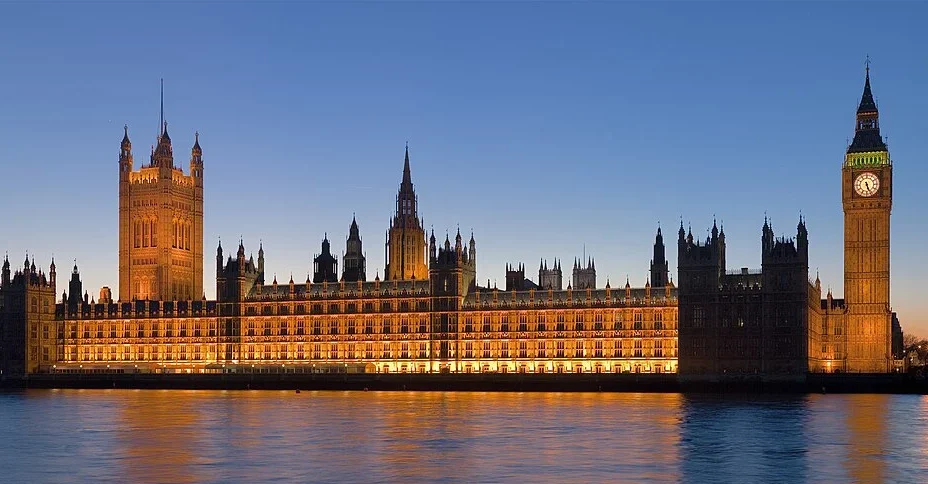


Committee questioned the evidence supporting judge-only trials and warned of wider risks arising from proposed criminal courts reforms
A cross-party committee of MPs has raised serious concerns about the government’s plans to reform the criminal courts, warning that magistrates’ courts may struggle to cope with the .additional workload generated by the proposed criminal court reforms, including restrictions on the right to elect trial by jury raising alarm over proposals to double magistrates’ sentencing powers and questioning claims about the time savings that could be achieved through judge-only trials.
In a report on the Courts and Tribunals Bill published today, the House of Commons Justice Committee described the legislation as the most significant change to the criminal courts in more than 50 years and warned that the reforms carry substantial risks despite efforts to tackle the Crown Court backlog.
The committee criticised the government for failing to publish a formal response to Sir Brian Leveson’s Independent Review of the Criminal Courts before introducing the legislation.
It said: “Despite the generational nature of these reforms, and the inherent risks involved in major changes to the criminal justice system, the government has not shown a willingness to engage in constructive dialogue with members of parliament or the wider public on these proposals.”
MPs acknowledged the need for reform, noting that the Crown Court backlog exceeded 80,000 cases at the end of 2025 and that some trials are now being listed as far ahead as 2030. However, they questioned whether the government’s proposed solutions are supported by sufficient evidence.
One of the committee’s main concerns relates to plans to increase magistrates’ sentencing powers from 12 months to 24 months. MPs said the proposal runs contrary to Leveson’s recommendation and would represent a significant shift in criminal justice policy. MPs recommended additional safeguards before ministers could increase sentencing powers through secondary legislation.
The report states: “Enabling magistrates to sentence people to imprisonment for up to 24 months represents a significant shift in criminal justice policy and we are not convinced that this has been sufficiently justified.”
The committee also expressed concern about proposals allowing future changes to magistrates’ sentencing powers through secondary legislation, warning that major policy changes could be made with limited parliamentary scrutiny.
MPs were similarly sceptical about the government’s expectation that magistrates’ courts can absorb additional cases diverted from the Crown Court. The report notes that the number of magistrates has fallen from around 28,000 in 2005 to approximately 15,000 in 2025 and describes the government’s target of increasing magistrate numbers to 21,000 by 2029 as unrealistic.
The committee also highlighted what it described as a chronic shortage of suitably qualified legal advisers, raising further doubts about the capacity of magistrates’ courts to handle increased workloads.
Concerns were also raised about proposals for judge-only trials. MPs questioned the government’s estimate that such trials would reduce court time by 20%, saying the figure lacked a concrete evidential basis.
The committee warned that the proposed allocation process itself could consume significant judicial time and resources by requiring courts to decide where cases should be heard before determining the cases themselves.
The committee further highlighted concerns about the potential impact of the reforms on Black and ethnic minority defendants. Referring to judicial diversity, MPs said it was “shocking” that only 1% of Crown Court judges are Black, a figure that has remained unchanged since 2015.
The report calls on the government to improve progression routes to the senior judiciary and set a clear national target to achieve a representative judiciary and magistracy by 2035.
The committee also recommended that the government review the operation of judge-only trials after their first year and delay changes to the magistrates’ court appeals process until audio recording of all magistrates’ court proceedings has been fully implemented and shown to operate effectively.
The bill is expected to return to the House of Commons for its report stage and third reading before progressing to the House of Lords.