
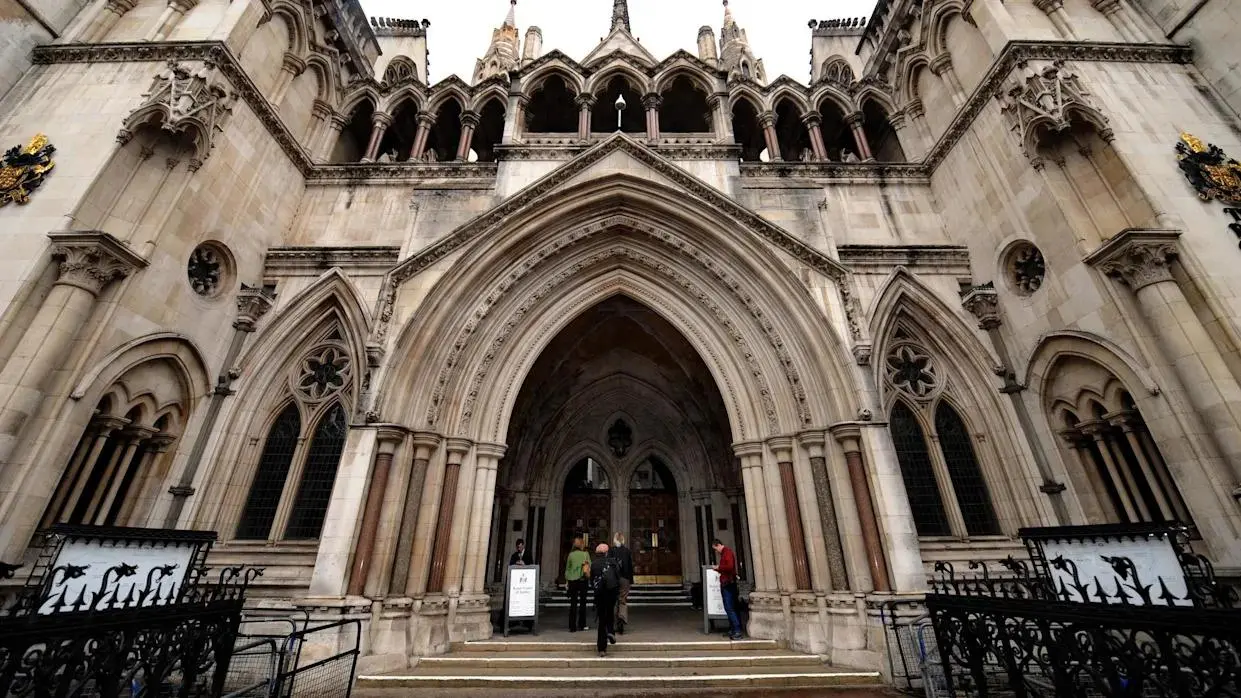

The Court of Appeal has refused a prosecution application to publish an earlier judgment before two trials conclude
Reporting restriction remains in place over an earlier Court of Appeal judgment concerning proceedings involving AGC and other respondents, after the court refused a prosecution application to make the judgment publicly available.
The ruling was handed down on 25 August 2026 by the Court of Appeal (Criminal Division) in R v AGC & Ors (Reporting Restriction decision), [2026] EWCA Crim 1021. The court was presided over by the Vice-President of the Court of Appeal Criminal Division, Lord Justice Edis, sitting with Sir Stephen Irwin and Her Honour Judge Tracey Lloyd-Clarke.
The application concerned an earlier judgment delivered on 4 March 2026, following an appeal against a ruling made during a preparatory hearing. The earlier proceedings were subject to section 37 of the Criminal Procedure and Investigations Act 1996, which prevents reporting until the conclusion of the trial, subject to specified basic facts and any order by the court disapplying the restriction.
The prosecution subsequently applied for an order disapplying section 37 so that the March judgment and other documents connected with the appeal could be published. The prosecution argued that the decision provided valuable guidance for investigations and prosecutions, as well as for those advising people prosecuted or investigated in similar circumstances.
The timing of publication was significant. The first of three planned trials concluded on 30 April 2026, resulting in four convictions and one acquittal, with sentence adjourned. The two remaining trials are not expected to conclude until June 2027 at the earliest.
The court noted that the trial judge, His Honour Judge Collery KC, had lifted the Crown Court reporting restriction to the extent necessary for the Court of Appeal to consider the prosecution’s application.
Defence submissions opposed an early lifting of the restriction. Grace Forbes, representing the third respondent, argued that the earlier judgment contained evaluative findings about alleged behaviour that had not been proved against the defendants still awaiting trial. She submitted that the material could prejudice jurors if they encountered it before the outstanding trials.
The Court of Appeal agreed with those submissions. It said that a year was a relatively short period for the public to wait for a judgment of this kind and concluded that the reporting restriction should remain.
For solicitors and other legal professionals, the ruling makes an important distinction between public publication and controlled professional access to a restricted judgment. The court confirmed that section 37 prevents publication in a way that would make the judgment publicly available to prospective jurors, but does not prevent the Court of Appeal or Crown Court decisions from being shared among judges and legal professionals where they can inform decisions in other cases involving the same issues.
The court also said the judgment could be made available, with the reporting restriction clearly marked, to colleagues or adversaries where all concerned are obliged to comply with the restriction. It said this principle also applied to those involved in ensuring that operations of the type involved in the case are properly supervised under the Regulation of Investigatory Powers Act 2000.
The judgment must not, however, be placed online in a way that gives the public access to it while the restriction remains in force.
The Court of Appeal therefore refused the prosecution’s application. It stated that the ruling had been written so that it could be published immediately.