
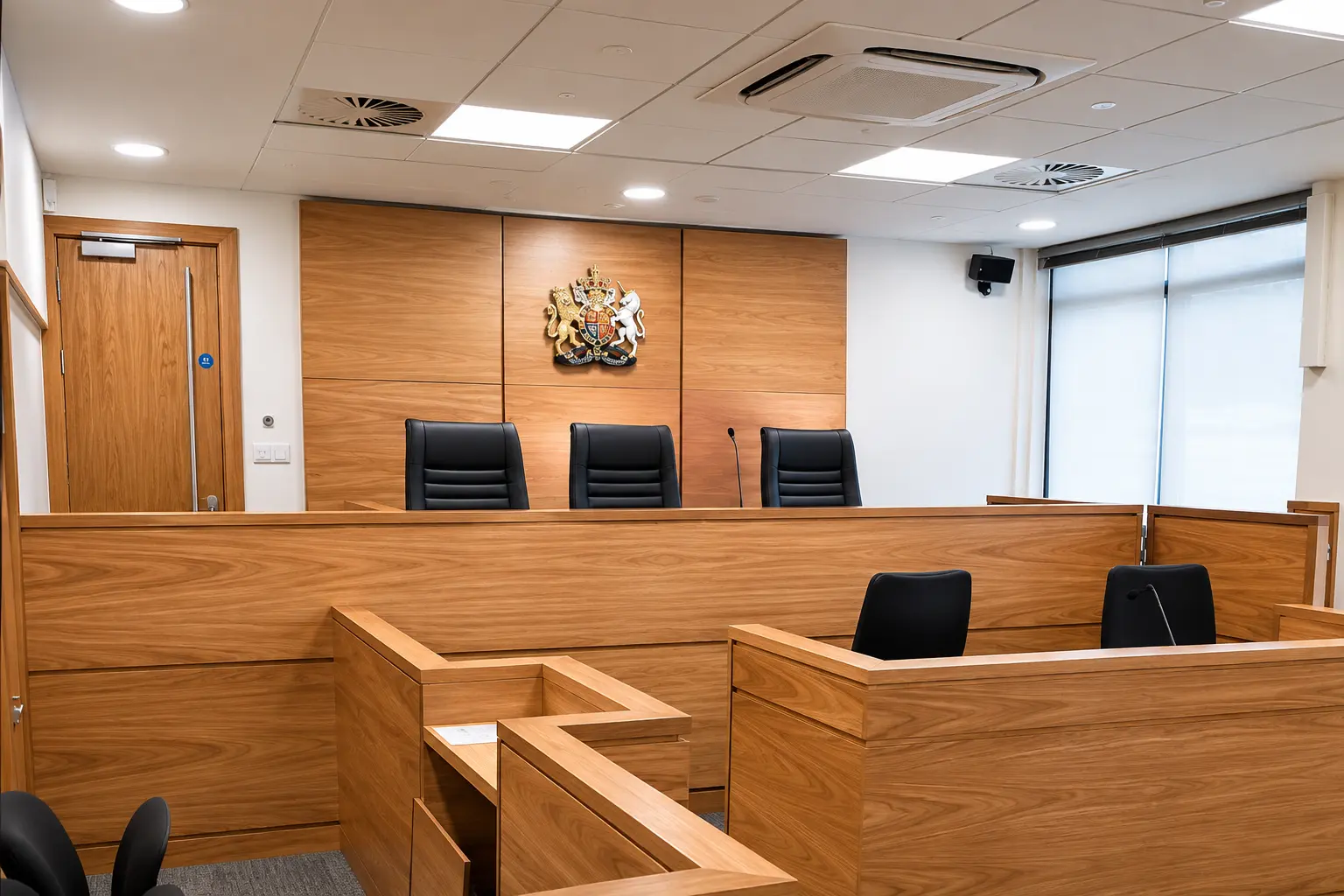

The Senior President of Tribunals has launched a consultation on the future deployment of Tribunal Members, asking whether their specialist knowledge and professional experience should be used more selectively across several tribunal jurisdictions. The proposals form part of a wider effort to improve the efficiency and timeliness of tribunal proceedings while preserving fair and high-quality decision-making.
What is the consultation about?
The consultation, published by the Courts and Tribunals Judiciary on 17 November 2026, examines whether current arrangements for tribunal panel composition remain the most effective way of deciding cases. Tribunal Members bring specialist knowledge, professional experience and practical insight to tribunal decision-making. The review asks whether their involvement should be more closely targeted at cases where that contribution is likely to make a material difference.
In some jurisdictions, the question is whether defined categories of cases could be decided by a judge sitting alone. In others, the consultation considers whether a smaller panel would be sufficient while retaining specialist input. The Tax Chamber is also being asked whether appeals should ordinarily be determined by judges sitting alone, given the specialist tax expertise expected of its judiciary.
The consultation does not propose abolishing the role of Tribunal Members across the tribunal system. Instead, it seeks views on how their expertise can be deployed proportionately, with flexibility to include specialist members whenever the issues in a case justify their participation.
Which tribunals are covered?
The review covers six jurisdictions: five within the First-tier Tribunal and one within the Upper Tribunal.
| Tribunal jurisdiction | Area of consideration |
|---|---|
| Mental Health Tribunal | Whether specified categories of proceedings could be determined by a salaried judge sitting alone, while retaining full panels for contested, complex or sensitive cases. |
| Social Security and Child Support | Whether more appeals could be heard by a judge alone and whether medical and disability-qualified members should be deployed when specialist input is required. |
| War Pensions and Armed Forces Compensation Chamber | Whether members should continue to sit routinely in all appeals or be deployed according to the medical and service-related issues involved. |
| General Regulatory Chamber | Whether further targeted changes may be appropriate, particularly in a limited range of Transport cases. |
| Tax Chamber | Whether appeals should ordinarily be decided by a judge alone or whether members should retain a narrower role based on distinct professional or industry experience. |
| Upper Tribunal Administrative Appeals Chamber | Whether Traffic appeals should generally be heard by a judge sitting with one member rather than two. |
What changes are being considered?
Mental Health Tribunal: The consultation considers whether Community Treatment Order proceedings and certain automatic or Secretary of State referrals could be determined by a salaried judge sitting alone. The ordinary three-member panel would remain for contested, complex or sensitive matters. Section 2 Mental Health Act cases are not proposed for immediate change and would be considered separately. The judge would retain discretion to direct a full panel where fairness requires it.
Social Security and Child Support: The proposal is to make greater use of judge-alone hearings in defined categories of appeal, potentially through a staged approach beginning with salaried judges. The consultation also asks whether medical and disability-qualified members should sit in every relevant PIP, DLA, Attendance Allowance, ESA and UCWCA appeal, or instead be deployed where the issues make their expertise necessary.
War Pensions and Armed Forces Compensation: Views are sought on whether appeals raising only questions of law could be heard by a judge alone, and whether medical and service members should continue to sit as a matter of course. The consultation recognises the importance of specialist understanding of military service, injuries and related conditions.
General Regulatory Chamber: Most work in the Chamber is already undertaken by judges sitting alone. The principal area identified for possible further change is Transport, where the consultation asks whether some additional categories of appeal, including matters concerning driving instructors and decisions of the Registrar of Approved Driving Instructors, could be decided without routinely deploying Tribunal Members.
Tax Chamber: Two broad options are presented. The first is for appeals ordinarily to be determined by a judge sitting alone, on the basis that specialist tax knowledge is already part of the judge’s role. The second is to retain a more limited role for Tribunal Members where they bring professional, commercial, industry or other experience not ordinarily expected of the judiciary.
Upper Tribunal Administrative Appeals Chamber: Most work is already decided by judges sitting alone. No immediate change is proposed for Disclosure and Barring Service safeguarding appeals. For Traffic appeals, the proposal is to move from a judge sitting with two members to a judge sitting with one member, retaining specialist input while reducing the number of members routinely required.
Why is the review taking place?
The consultation document says tribunal case receipts have grown significantly in recent years, contributing to backlogs and delays for users. It also notes that working practices, judicial appointments and training, case types and the wider justice system have evolved.
In some high-volume jurisdictions, standard panel arrangements may result in Tribunal Members being listed routinely before the specific issues in an individual case have been assessed. The review asks whether this remains proportionate, particularly where cases are less complex, more standardised or determined on the papers.
The stated objectives are to ensure panel composition reflects the nature and complexity of each case, improve timeliness, make effective use of judicial and administrative resources, maintain decision quality and consistency, and preserve public confidence in the fairness of tribunal proceedings.
“The aim is to ensure that they are deployed where their contribution adds the greatest value, rather than as a default.”
Consultation on the Deployment of Tribunal Members
What safeguards are being considered?
The consultation emphasises that any change must preserve fair, lawful and properly reasoned decisions. Panel composition should be based on whether specialist knowledge or experience beyond that ordinarily expected of the judge is required for the fair and effective determination of the case.
The document identifies a range of matters for consultees to consider, including the effect on the quality and robustness of decisions, listing flexibility and timeliness, user confidence, the training and retention of Tribunal Members, and the criteria that should govern decisions about panel composition.
It also recognises that the complexity or volume of a case, or the presence of a novel point of law, would not automatically mean that a Tribunal Member is required. The central question is whether the subject matter or evidence would materially benefit from the relevant specialist expertise. Judicial discretion to convene a larger or specialist panel would remain an important safeguard.
How and when can people respond?
The consultation is open to judicial office holders and other interested parties, including tribunal users, members of the public, professionals and organisations. The Judiciary’s announcement directs consultees to read the consultation and complete the accompanying Microsoft response form.
The consultation document lists nine questions, covering the targeted deployment of Tribunal Members, cases where specialist expertise is essential, the appropriateness of judge-alone or reduced-panel hearings, effects on decision-making and user confidence, operational impact, safeguards and any further comments. Consultees do not need to answer every question.
- Consultation published and opened for responses
- Closing date stated in the consultation PDF
- Closing date stated on the Judiciary’s announcement page
- Earliest implementation point for changes requiring a new or amended Practice Direction, according to the consultation document
Important date clarification: The consultation PDF states that the 10-week consultation runs until 25 January 2027, while the Judiciary’s announcement page gives Tuesday 26 January 2027 as the response deadline. Consultees should check the live response form and official announcement before submitting, rather than relying on the PDF date alone.
The consultation document says any changes requiring a new or amended Practice Direction would not be implemented before April 2027. The legal and procedural route will depend on the jurisdiction and the proposals ultimately adopted. The consultation itself does not confirm that any of the proposed changes will proceed.
Frequently asked questions
What is the purpose of the Tribunal Members consultation?
It seeks views on whether Tribunal Members should be deployed more selectively across six tribunal jurisdictions, so that specialist expertise is used where it makes the greatest contribution to fair and effective decision-making.
Does the consultation propose removing Tribunal Members from tribunals?
No. The document expressly states that the review is not intended to remove their role altogether. It considers whether their participation should be targeted more closely to the needs of particular cases.
Which tribunals are included?
The Mental Health Tribunal, Social Security and Child Support Tribunal, War Pensions and Armed Forces Compensation Chamber, General Regulatory Chamber, Tax Chamber and Upper Tribunal Administrative Appeals Chamber.
Will all cases be heard by a judge sitting alone?
No. The proposals are different for each jurisdiction and case type. Several retain specialist members where their knowledge or experience is considered necessary, and judicial discretion to direct a larger panel is contemplated.
When does the consultation close?
The PDF gives 25 January 2027, while the Judiciary’s announcement page gives 26 January 2027. Consultees should verify the deadline on the official response form before submitting.
When could any changes take effect?
The consultation document says changes requiring a new or amended Practice Direction would not be implemented before April 2027. Other changes may follow different existing judicial or chamber arrangements.