
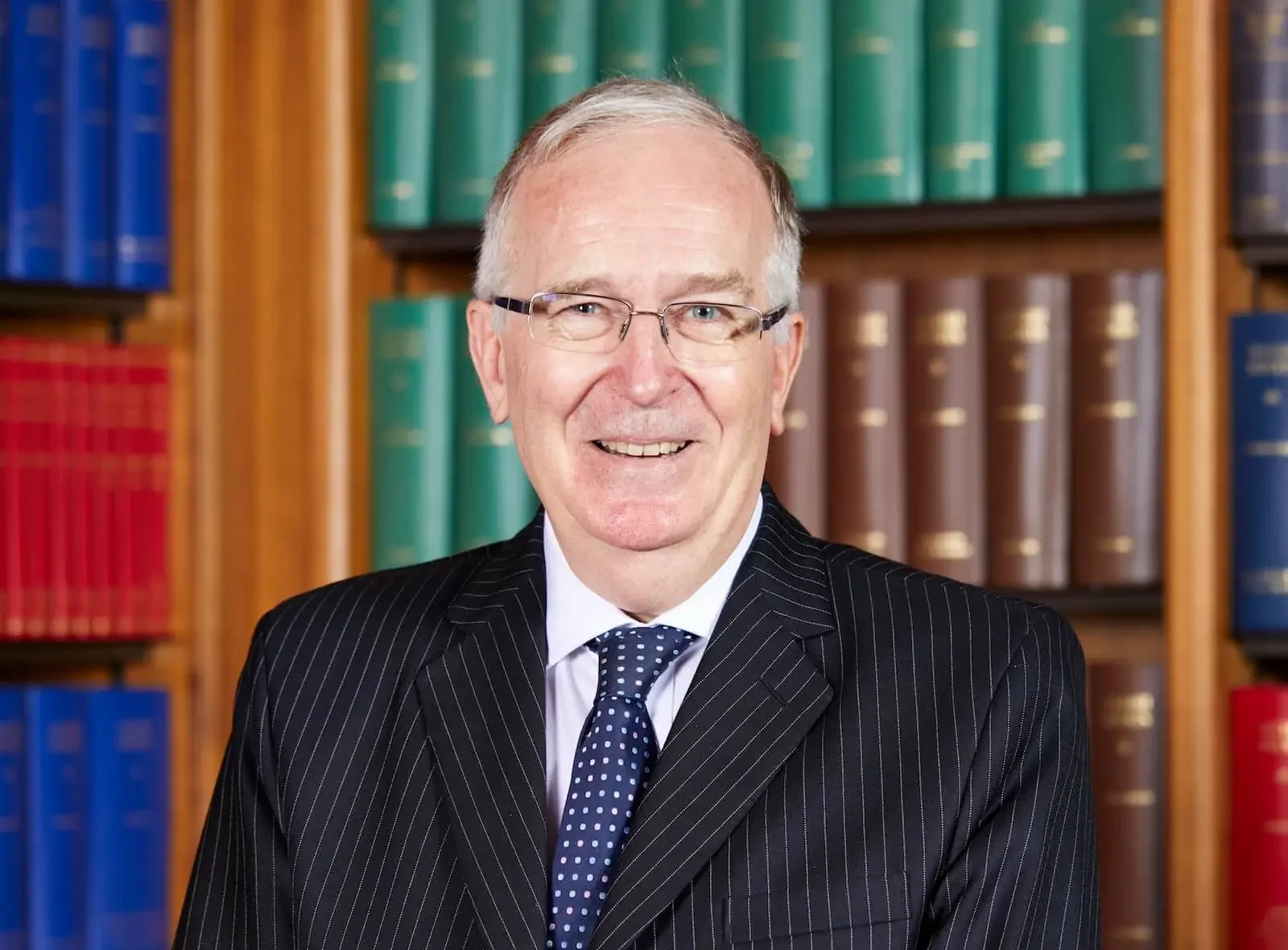

Lord Stephens will retire from the UK Supreme Court and Privy Council in April 2027
Lord Stephens of Creevyloughgare has announced that he will retire from the Supreme Court of the United Kingdom and the Judicial Committee of the Privy Council on 7 April 2027. The announcement was made on 26 May 2026, following more than six years on the UK’s highest court and almost a decade serving on the Privy Council.
Lord Stephens joined the Judicial Committee of the Privy Council in November 2017 before being appointed to the Supreme Court in October 2020. He was called to the Bar of Northern Ireland in 1977 and later qualified at the Bar of England and Wales in 1978. He was also called to the Bar of Ireland in 1996.
Before joining the Supreme Court, Lord Stephens served as a High Court judge from 2007 and was elevated to the Court of Appeal in 2017. In a statement issued alongside the announcement, Lord Stephens said it had been “the great honour” of his career to serve the citizens of the United Kingdom and the jurisdictions of the Privy Council.
He said: “I have had the great honour of serving the citizens of the United Kingdom and the people of the Privy Council jurisdictions by upholding the rule of law. “It has been a privilege to undertake this work, and an enormous pleasure to do this in collaboration with my colleagues on the Supreme Court, past and present. I will continue this work for the coming 11 months.”
The retirement will trigger the formal process to appoint a successor to the Supreme Court bench. It is expected that the Lord Chancellor will convene an independent selection commission to oversee the appointment process for the vacancy.
The Supreme Court has also published information outlining the role of a Justice and the application procedure for prospective candidates. The guidance includes interviews with current and former Justices discussing their career paths and experiences on the court. Lord Stephens’ departure will mark the end of a judicial career spanning nearly five decades across multiple UK and Irish legal jurisdictions.