
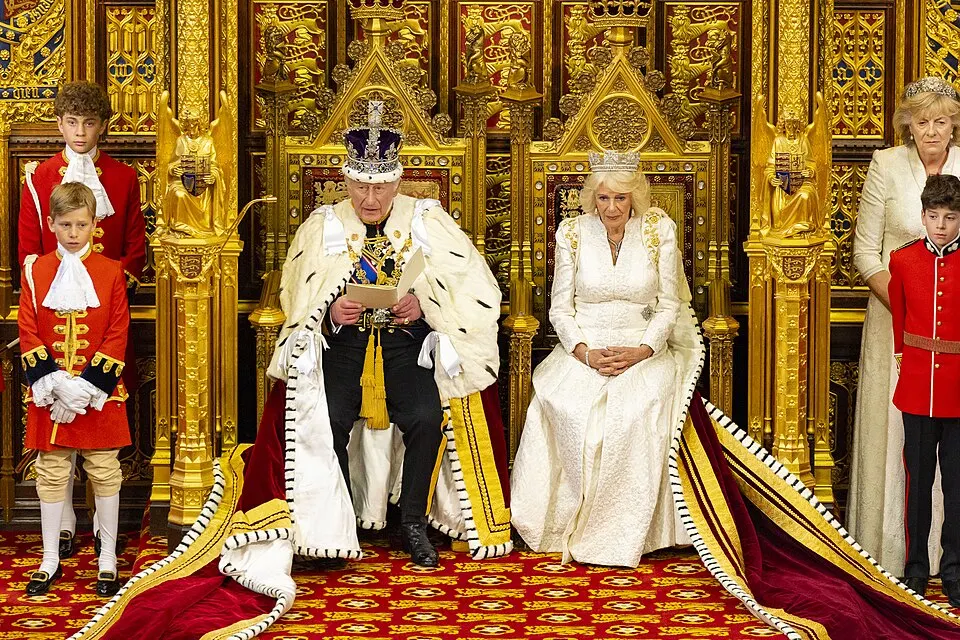

Plans include restricting Crown Court elections, capping ground rents and creating a new criminal court tier
The Government has set out a wide-ranging package of justice, constitutional and regulatory reform measures in the 2026 King’s Speech, including major changes to criminal court procedure, new digital identity proposals and legislation aimed at strengthening ties with the European Union.
The programme, announced at the State Opening of Parliament, includes a Courts and Tribunals Bill which is expected to introduce some of the most significant changes to criminal procedure in recent years, alongside a series of economic and governance-focused bills.
According to the Government, the Courts and Tribunals Bill will remove the right of defendants to elect Crown Court trial in “either way” cases. It will also extend sentencing powers in magistrates’ courts and replace the automatic right of appeal against conviction or sentence from the magistrates’ court with a permission-based route.
The Bill will further introduce audio recording in magistrates’ courts and establish a new Crown Court tier, known as the “Bench Division”, to hear cases likely to involve custodial sentences of three years or less, as well as suitably complex and lengthy fraud and financial cases.
Alongside the criminal justice reforms, ministers confirmed a broader legislative agenda covering constitutional and regulatory change. This includes a European Partnership Bill aimed at strengthening UK-EU relations, a Regulating for Growth Bill designed to reduce regulatory burdens and support innovation, and a Digital Access to Services Bill to introduce digital identity for interaction with public services.
The Government also confirmed a Public Office (Accountability) Bill, which will introduce the so-called “Hillsborough Law” and create a statutory duty of candour for public servants and public authorities.
In addition, the King’s Speech included plans for leasehold reform legislation, including measures to cap ground rents as part of wider efforts to overhaul the leasehold system in England and Wales.
Other measures outlined in the programme include further reforms to housing, policing, immigration, transport, education and the NHS, as ministers set out plans to modernise public services and improve economic performance.
However, the proposals have already prompted concern from across the legal profession, particularly in relation to jury trial reforms and court capacity.
The Bar Council said the Government should reconsider proposals affecting jury trials and focus instead on specialist courts and investment in existing case management systems.
Bar chair Kirsty Brimelow KC said: “The Bar Council has urged the government to drop its plans to reduce jury trials and instead introduce specialist sexual offences and domestic abuse courts. Setting up rape courts was in the Labour party manifesto. Removing jury trials was not a pledge.”
She added: “Priority listing of cases comprising vulnerable witnesses is an approach that’s already been shown to reduce delays in those cases. There is growing evidence that the Crown court backlog is being brought down simply by the action of opening up closed court rooms. It is therefore irrefutable that investment, and addressing the inefficiencies plaguing the system, will reduce delays and the backlog of cases, rather than wasting time and resource on an unnecessary changing of the criminal justice system structure.”
Brimelow KC further warned that underinvestment in the criminal bar risks worsening delays across the justice system: “If the government doesn’t invest in the lawyers who defend and prosecute cases, we will see them leaving the criminal bar which will lead to more delays in the system. Delays occur in court when cases are adjourned because of lack of a barrister to prosecute or defend.”
She concluded: “The Bar Council renews its call for investment in the justice system as a vital public service and again underlines the bar’s steadfast opposition to reducing jury trials and adding to the accelerating backlog in the magistrates’ courts.”
The King’s Speech marks the start of a new parliamentary session, with detailed legislation now expected to be introduced and scrutinised in the months ahead.