
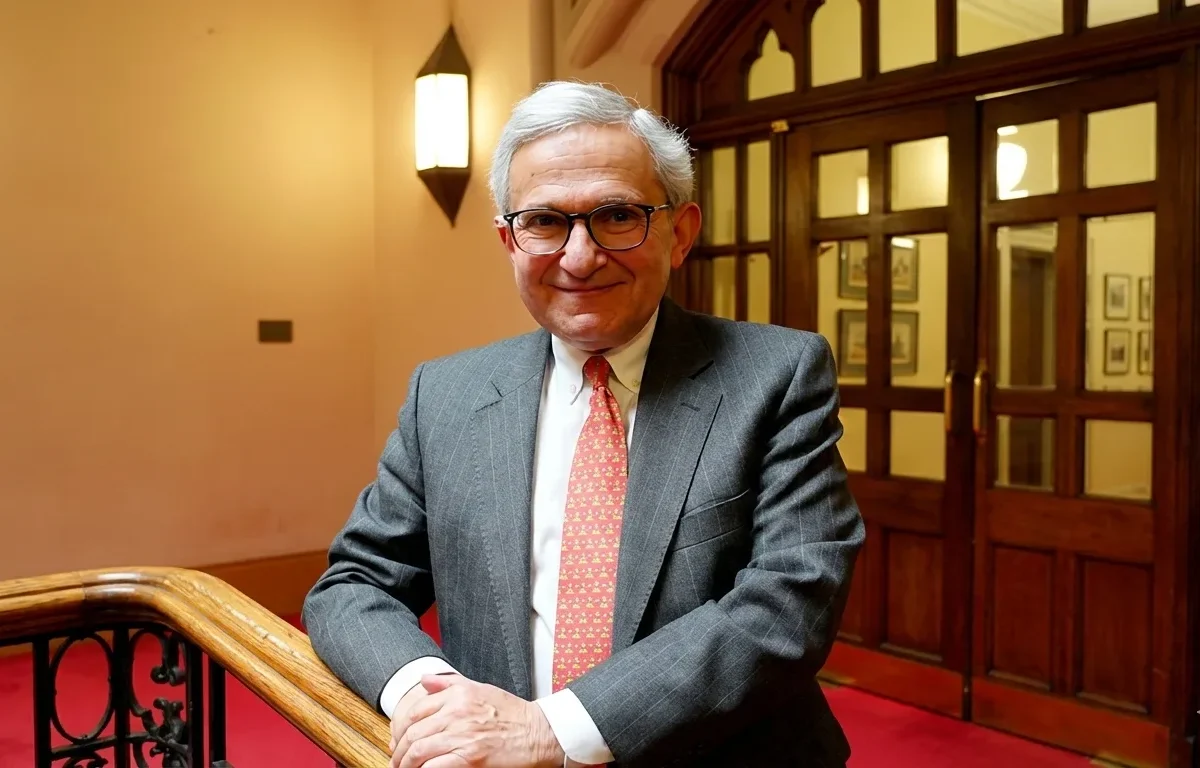


Geoffrey Vos warns lawyers must adapt training as digital systems increasingly shape dispute resolution and judicial decision making
Sir Geoffrey Vos has said legal education needs a “complete rethink” in the age of “machine justice”, warning that the current model is no longer aligned with how justice is being delivered.
Speaking to law teachers, he said the justice system was being transformed by technology at a pace that legal education had not yet matched, with digital processes and systems increasingly embedded in the operation of courts.
He said that “machine justice” the use of technology to support aspects of dispute resolution and legal decision-making was becoming a reality and would play an increasing role in how cases are handled in future.
Sir Geoffrey stressed that this did not mean replacing judges, but rather that technology would assist and shape decision-making processes, requiring lawyers to understand how such systems operate and how they affect outcomes.
Looking ahead, he said that over the next 15 to 20 years, routine judicial decision-making would increasingly be “informed or directed” by machines, underlining the scale of change facing the justice system.
He said current legal education remained too focused on traditional legal learning and was not sufficiently preparing students for a system in which data, digital platforms and automated processes would be central.
Expanding on the wider impact of this shift, he said expectations of the legal system itself were changing. As individuals and businesses gain direct access to legal information and precedents through technology, they are likely to place less value on lawyers in the traditional sense, fundamentally altering the role lawyers play within the system.
“The ability to understand, martial and explain complexity in a world of ever more capable machines will be crucial to the survival of the legal community.”
In this context, he said future lawyers would need to understand how online systems function, how disputes are managed digitally, and how legal services are delivered in an environment increasingly shaped by accessibility and efficiency.
He argued that legal education should be restructured to reflect these changes, combining doctrinal knowledge with practical and technological understanding, rather than treating them as separate areas.
At the same time, Sir Geoffrey emphasised that core legal principles including fairness, the rule of law and open justice must remain central, even as the mechanisms of justice evolve.
He also highlighted the potential for technology to improve access to justice, noting that digital systems could make processes quicker and more accessible, but only if they are designed and implemented appropriately.
The Master of the Rolls said the pace of change meant reform could not be incremental, but required a more fundamental reassessment of how lawyers are trained and how legal education is structured.
His comments reflect wider concerns within the profession that existing education and training frameworks are struggling to keep pace with developments in the justice system, particularly as technology becomes more central to legal practice.