
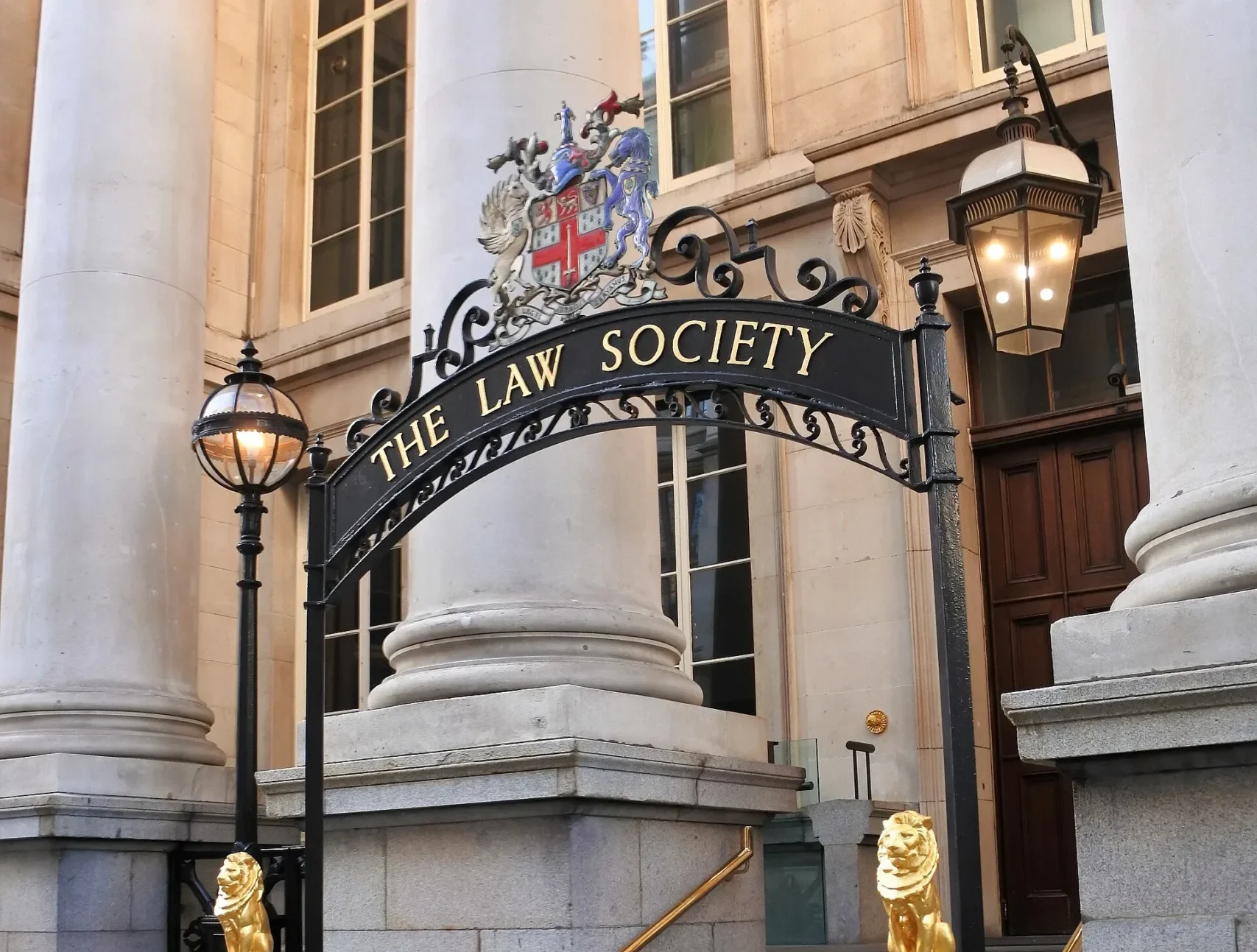

.jpg)
Law Society highlights supervision risks and calls for SRA clarity following Mazur ruling
The Law Society of England and Wales has issued new guidance on the conduct of litigation following the Court of Appeal’s ruling in Mazur v Charles Russell Speechlys, seeking to clarify the boundaries of a key reserved legal activity.
The practice note addresses ongoing uncertainty about what amounts to the “conduct of litigation” and, crucially, who can carry it out under the statutory framework.
It confirms that only authorised individuals can formally conduct litigation. However, reflecting the Court of Appeal’s judgment, it makes clear that the position is less restrictive than previously thought, and that a wide range of litigation tasks can be carried out by non-authorised staff.
The central requirement is that an authorised person must retain responsibility for the matter and exercise proper supervision, direction and control. The Law Society stresses that this is not a formality: supervision must be real and effective, not a “tick-box” exercise.
The guidance reiterates that the definition of the conduct of litigation is relatively narrow, covering formal procedural steps such as issuing proceedings and serving documents. Much of the preparatory and administrative work that underpins litigation can therefore still be undertaken by paralegals and other non-qualified staff.
Commenting on the practice note, Brett Dixon said: “This practice note sets out our understanding of how the judgment should be interpreted, pending further guidance from the Solicitors Regulation Authority (SRA), which we are working with them to develop.
“The judgment establishes a less restrictive framework in relation to the conduct of litigation than the High Court judgment, but it does not remove all limitations on what an unauthorised person employed by a regulated entity may do.
“The Court of Appeal judgment did not alter the position that only authorised persons are entitled to carry on the conduct of litigation. However, it confirmed that an authorised person can delegate tasks within the litigation to an unauthorised person, as long as the authorised person maintains responsibility for those tasks.”
The guidance also highlights the regulatory risks for firms that get the distinction wrong. If an unauthorised person is found to be conducting litigation, it could amount to a breach of the statutory regime and expose both the individual and the firm to enforcement action.
The Law Society said the note represents its interpretation of the Court of Appeal’s decision and is intended to assist firms in navigating what remains a complex area. It acknowledged that some uncertainty persists, particularly around the practical application of supervision.
Attention is now likely to turn to the SRA, with the Law Society indicating that further clarity from the regulator will be important in settling how the rules should operate in practice.
The issue has taken on particular importance given the way modern litigation teams are structured, with heavy reliance on paralegals and other non-authorised staff. The guidance effectively confirms that such models can continue, but only where firms can demonstrate clear lines of responsibility and robust supervision.
The Law Society said it will continue to engage with the SRA and the profession to ensure a consistent approach, as firms adjust their practices in light of the Mazur ruling.