
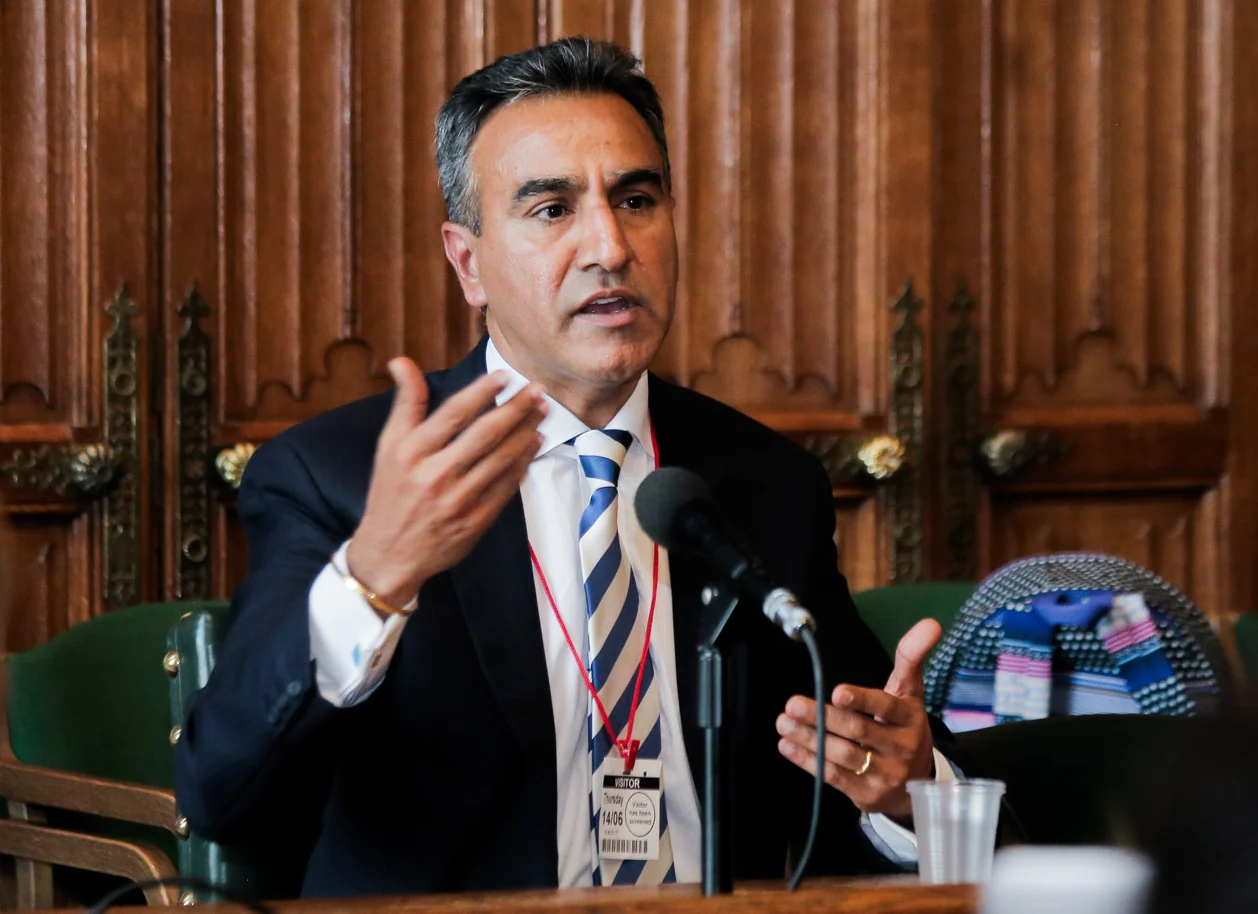


The High Court upheld a disbarment sanction after a barrister appealed against its severity
The High Court has dismissed an appeal against disbarment brought by Navjot “Jo” Sidhu KC, leaving the sanction imposed by a Bar disciplinary tribunal in place.
In a judgment dated 13 January 2026, Mr Justice Choudhury confirmed that the appeal failed and that the disbarment ordered by the Bar Tribunals and Adjudication Service would remain effective.
Sidhu had been disbarred on 1 May 2025 after a tribunal found three charges of professional misconduct proved against him. The charges related to events in 2018 involving a mini pupil, referred to in the judgment as “Person 2”. The tribunal concluded that Sidhu invited the mini pupil to his hotel room to discuss a case, insisted she stay overnight, and encouraged her to sleep on his bed rather than on the sofa, before engaging in sexual kissing and touching.
The tribunal considered the conduct to fall within the upper range of seriousness under the Bar’s sanctions guidance. By a majority of three to two, it decided that disbarment was the only just and proportionate outcome, citing Sidhu’s seniority, his position within the profession, and the impact on public confidence in the Bar.
Sidhu did not seek to challenge the findings of misconduct. Instead, he appealed on the basis that disbarment was disproportionate and that a lengthy suspension would have been sufficient in the circumstances.
The judgment records that the tribunal applied the criminal standard of proof, given the timing of the alleged conduct. It also notes that the Bar Standards Board did not allege the sexual activity was non-consensual, but argued it was inappropriate and or unwanted. The tribunal found it could not be sure the sexual activity was unwanted, but still concluded that initiating sexual activity in the circumstances was inappropriate and amounted to professional misconduct.
When considering a sanction, the tribunal identified multiple factors relevant to culpability and harm. These included the professional context in which the conduct occurred, the breach of trust, the disparity in seniority and experience, and the foreseeable impact on Person 2’s emotional well-being. The tribunal concluded that the conduct caused significant harm to public confidence in the profession.
In reviewing the appeal, the High Court confirmed that such challenges are determined by way of review. The court noted that it should not interfere with a specialist tribunal’s decision on sanction unless an error of principle is shown or the outcome falls outside the range of reasonable decisions available. The judge upheld the tribunal’s conclusion and dismissed Sidhu’s appeal.
The ruling leaves the disbarment decision in force and confirms the tribunal’s assessment that the misconduct warranted the most serious professional sanction available.