
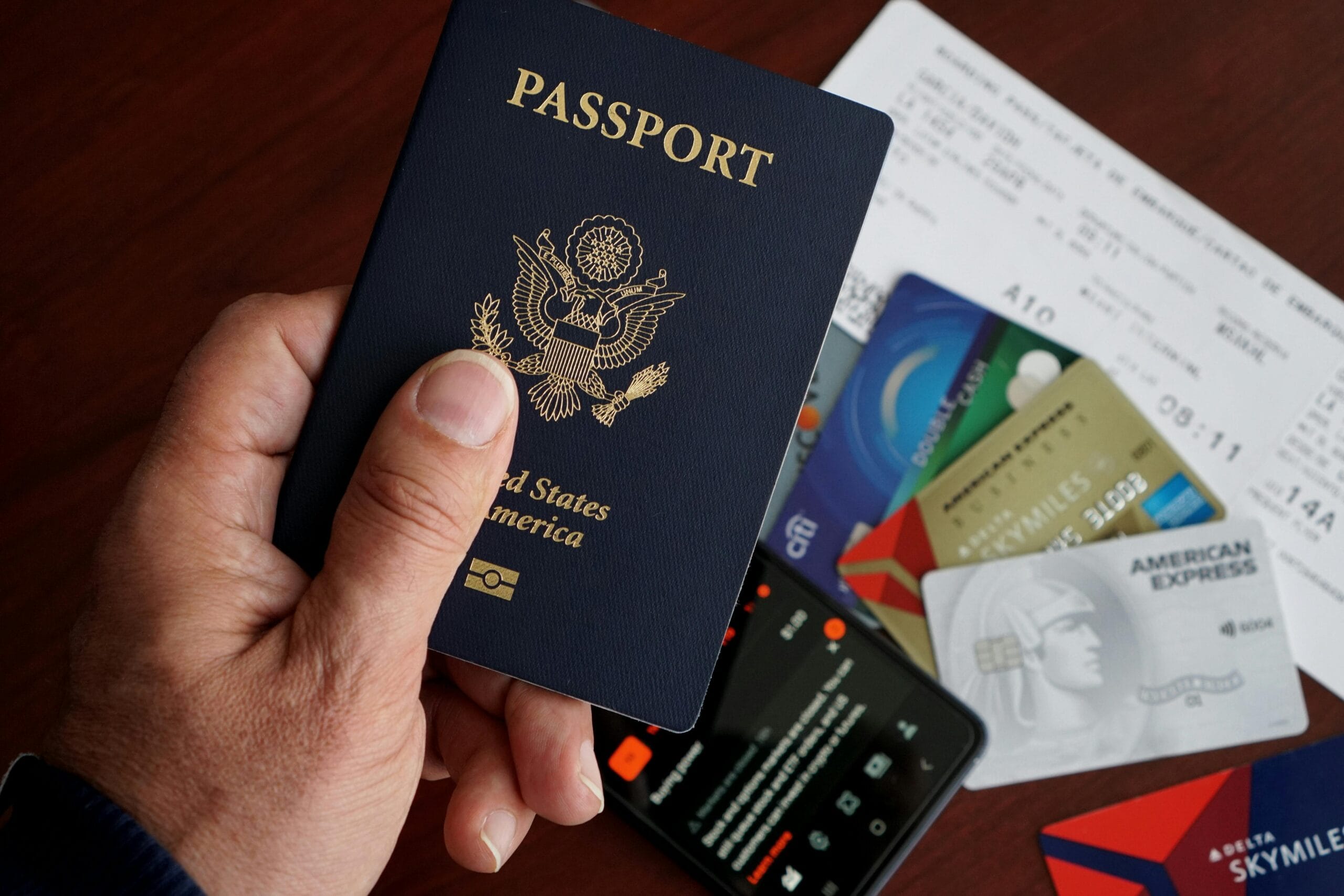

USCIS will arm agents to arrest immigrants and lawyers in sweeping anti-immigration shift
The US government agency that oversees visas, green cards and citizenship is preparing to deploy its own armed police force with powers to arrest both immigrants and their lawyers, in a dramatic escalation of the Trump administration’s immigration crackdown.
U.S. Citizenship and Immigration Services (USCIS) announced on Thursday that it has created a new class of “special agents” who will carry firearms, execute search and arrest warrants, and make arrests in connection with suspected immigration fraud.
For decades, USCIS has functioned primarily as an administrative body, handling applications for asylum, citizenship and other legal pathways to residency. But under director Joseph Edlow, the agency is being transformed into a law enforcement arm, acting as what he described as a “force multiplier” for the Department of Homeland Security.
Embed from Getty Images“USCIS has always been an enforcement agency,” Edlow said, calling the move a “historic moment” that would allow the government to “better address immigration crimes, hold those that perpetrate immigration fraud accountable, and act as a force multiplier.”
Several hundred agents will be trained to investigate alleged fraud in immigration filings. They will have authority not only to arrest applicants but also the lawyers who help prepare petitions — a role traditionally reserved for Immigration and Customs Enforcement (ICE).
The shift, according to the agency, will free ICE and other Homeland Security divisions to focus on transnational crime and deportations. USCIS agents, meanwhile, will pursue cases that officials say are slowing the immigration system through fraud.
Critics argue that the changes push USCIS far beyond its lawful remit. Allen Orr Jr., former president of the American Immigration Lawyers Association, warned: “USCIS’ mandate is to adjudicate applications, not run raids. Trump’s expansion beyond traditional enforcement shatters the law’s clear limits.”
Former White House immigration adviser Andrea R. Flores, who served under both Obama and Biden, said the announcement effectively dismantles any incentive for migrants to pursue legal pathways. “You really don’t have an immigration system if the agency that issues immigration benefits is now a third enforcement agency,” she said. “Why would anyone come forward when the administration keeps penalising people using the legal immigration system?”
The announcement follows a pattern of increasingly aggressive enforcement moves by USCIS. Officers have already carried out arrests at agency offices, sometimes detaining people arriving for citizenship interviews or mandatory check-ins. Judges have been instructed to dismiss cases swiftly, leaving immigrants more vulnerable to detention and deportation.
The agency has also stepped up monitoring of applicants’ personal lives. In May, USCIS began scanning social media accounts for what it considers “antisemitic activity” — a measure critics argue conflates dissent against US policy in Gaza with bigotry. Officers have also conducted “neighbourhood checks” on citizenship applicants and heightened scrutiny of what it calls “good moral character.”
In a further sign of the agency’s evolving mission, newly naturalised citizens will no longer be able to register to vote at swearing-in ceremonies, after a policy change this week barred voting rights groups from attending. USCIS is also prioritising denaturalisation cases alongside the Department of Justice, which has pledged to “maximally pursue” stripping citizenship from foreign-born Americans accused of fraud.
Edlow has floated plans to overhaul the citizenship test itself. At a recent event organised by the restrictionist Center for Immigration Studies, he suggested a new essay component asking applicants: “What does it mean to me to be an American?”
“What this comes down to is I am declaring war on fraud,” Edlow said.
The announcement cements USCIS’s shift from a service-oriented body to a heavily armed enforcement agency, blurring the boundaries between immigration benefits and deportation machinery. For immigrants and their lawyers, it raises the prospect of facing arrest by the very office once tasked with helping them secure a future in the United States.