

High Court quashes £585,000 fine, ruling OfS overstepped its powers on free speech and academic freedom
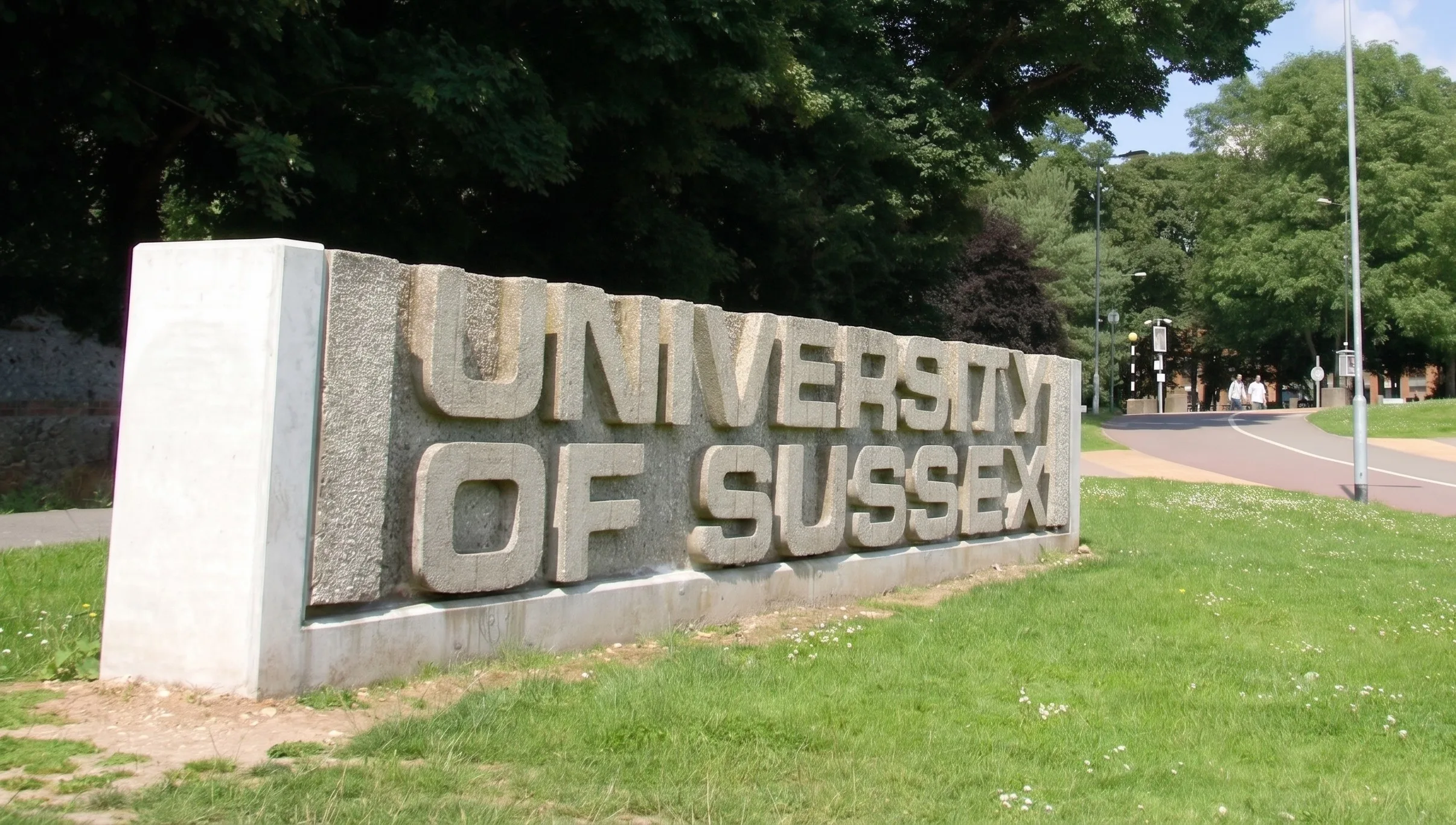
The University of Sussex has succeeded in its judicial review challenge against the Office for Students (OfS), securing the quashing of a £585,000 fine imposed on the institution over concerns related to free speech and academic freedom.
The High Court overturned the fine, which had been imposed by the OfS in March 2025. The fine was issued after the regulator found that the university’s Trans and Non-Binary Equality Policy Statement had a “chilling effect” on lawful expression, specifically in relation to the controversial Kathleen Stock case.
The fine stemmed from the OfS’s concern that Sussex had not taken appropriate steps to safeguard free speech in the context of a highly contentious issue. The university’s decision to appoint Professor Kathleen Stock, a feminist academic whose views on sex and gender were widely debated, led to protests and heated public discourse. The OfS contended that the university’s policies failed to adequately protect academic freedom and the right to free speech, particularly in light of Stock’s resignation and the events surrounding her departure.
However, in the judicial review, the High Court found in favour of Sussex, ruling that the OfS had acted unlawfully and exceeded its powers.
The court found that the OfS had misinterpreted its regulatory authority, stating that it had applied an incorrect legal standard in interpreting the university’s obligations regarding academic freedom and free speech. In particular, the court criticised the OfS for its “biased and predetermined” approach, which it argued led to an unfair and overreaching decision to impose the fine.
The ruling concluded that the Office for Students had overstepped its regulatory powers, particularly in its treatment of freedom of speech and academic freedom within higher education institutions. The High Court’s judgment stressed that universities must have the discretion to engage in robust academic debate without undue interference from the regulator, especially where controversial views are involved.
Following the judgment, the University of Sussex expressed relief at the ruling, with Vice-Chancellor Professor Sasha Roseneil calling it a “vindication” of the institution’s commitment to academic freedom and the robust exchange of ideas. Roseneil stated that the decision would help safeguard the “right to freedom of expression” within higher education and was crucial for protecting universities’ autonomy in academic matters.
She went on to highlight that the ruling provided clarity regarding the balance between freedom of speech and the responsibilities of universities to ensure inclusivity and respect within their academic communities.
In contrast, the OfS expressed disappointment with the ruling, indicating that it would carefully review the decision and assess the next steps. The regulator has been under increasing pressure to ensure that universities adhere to the legal obligations set out in the Higher Education and Research Act 2017, particularly concerning freedom of speech and the prevention of harmful speech.
A spokesperson for the OfS reiterated that while it respected the court’s judgment, it remained committed to protecting students and staff from the harmful effects of speech that undermines inclusivity and equality.
This judgment is significant not only for its immediate impact on Sussex but also for its wider implications on how the OfS regulates free speech and academic freedom across UK universities. Legal experts have pointed out that the ruling raises important questions about the extent to which regulators can interfere with the policies of higher education institutions in relation to freedom of expression, particularly when it comes to controversial academic viewpoints.
The High Court’s decision marks a critical moment in the ongoing debate over free speech in higher education. It affirms the need for balance between protecting academic freedom and ensuring an inclusive environment. The ruling will likely influence the way universities approach policies related to speech and the boundaries of academic debate in the future.
As the OfS reviews its position, this case may set a precedent for similar challenges in the future, particularly as universities continue to navigate complex issues surrounding free speech, inclusivity, and academic autonomy.