

Three lawyers appointed to the Civil Procedure Rule Committee to help shape court rules in England and Wales
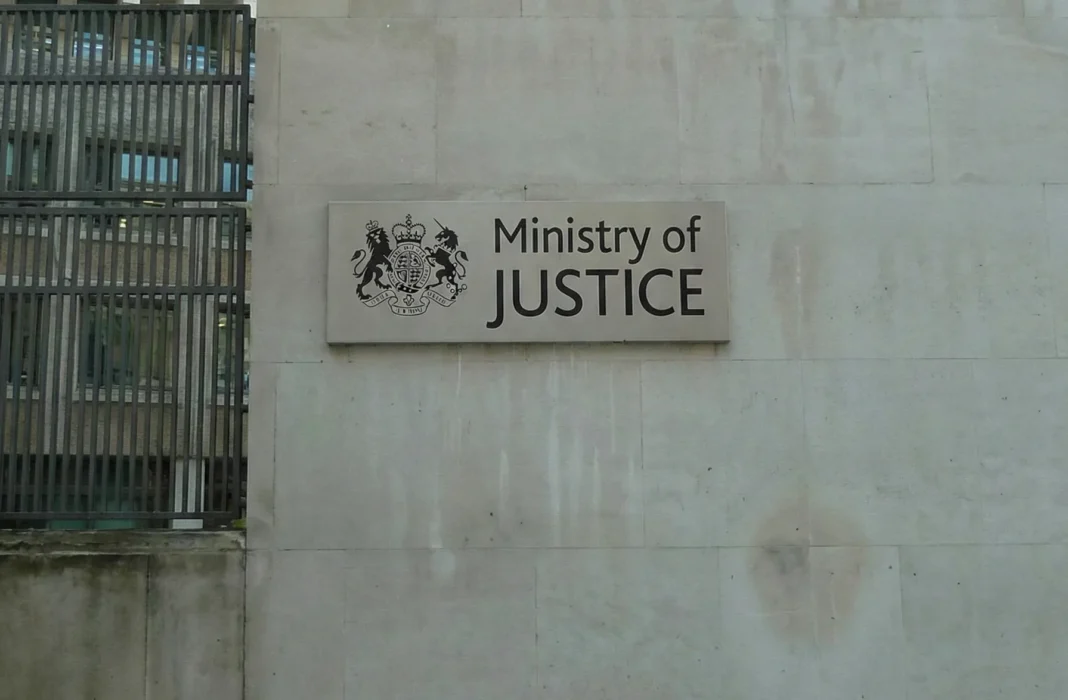
The Ministry of Justice has confirmed the appointment of three legally qualified members to the Civil Procedure Rule Committee (CPRC), following approval by the Lord Chancellor.
James Willan KC, James Egan and Gregory Cox will join the committee for three-year terms. Their appointments were announced on 12 March 2026.
The CPRC is responsible for making the Civil Procedure Rules, which govern practice and procedure in the Civil Division of the Court of Appeal, the High Court and the County Court in England and Wales. The committee operates as a non-departmental public body established under the Civil Procedure Act 1997.
James Egan, a barrister at Ten Old Square Chambers, will begin his tenure on 1 October 2026. His practice focuses on traditional and commercial chancery work, property disputes, and landlord and tenant law. He has particular experience in private client litigation, including contentious trusts and estates.
In 2025, Egan was appointed to the Attorney General’s Civil Panel, serving on the London B Panel. According to the Ministry of Justice, he has declared no political activity.
James Willan KC will also take up his position on the committee on 1 October 2026. He practises from Essex Court Chambers and has a broad commercial practice that includes both court litigation and arbitration.
Willan was appointed King’s Counsel in 2021 after previously serving on the Attorney General’s “A” Panel. In addition to his practice at the Bar, he sits as a Recorder in the Crown Court and serves as the Bar Council’s nominated trustee of the Access to Justice Foundation. He has also declared no political activity.
Gregory Cox, a solicitor and solicitor-advocate, will begin his three-year term earlier, starting on 11 May 2026. Cox currently serves as chief executive of Simpson Millar LLP and has experience advising law firms on business operations and mergers and acquisitions.
He also acts as a High Court assessor and mediator. In addition to his professional roles, Cox is a contributing author to the Law Society’s Litigation Funding Handbook and sits on the Bar Council Remuneration Committee.
The Ministry of Justice said the appointment process for legally qualified members of the CPRC is regulated by the Commissioner for Public Appointments. Recruitment procedures follow the Governance Code on Public Appointments.
Under the Civil Procedure Act 1997, the Lord Chancellor is responsible for appointing legally qualified members to the committee.
The CPRC plays a central role in shaping the procedural framework of civil litigation in England and Wales by drafting and updating the Civil Procedure Rules used by courts and legal practitioners across the jurisdiction.