


PM taskforce warns judicial reviews and outdated regulations are delaying critical nuclear projects
A government-commissioned review has revealed that judicial reviews (JRs) and outdated regulations are causing significant delays and financial burdens on the UK’s nuclear energy programme. The final report from the Nuclear Regulatory Taskforce, set up by the Prime Minister in April, highlights how legal risks are preventing the successful development of key nuclear projects, which are critical for national security and climate change goals.
The taskforce’s report, published today, argues that the current regulatory and delivery framework is failing. It identifies several obstacles, including excessively conservative risk management decisions and flawed legislation, such as the Conservation of Habitats and Species Regulations. These have imposed disproportionate costs on vital projects.
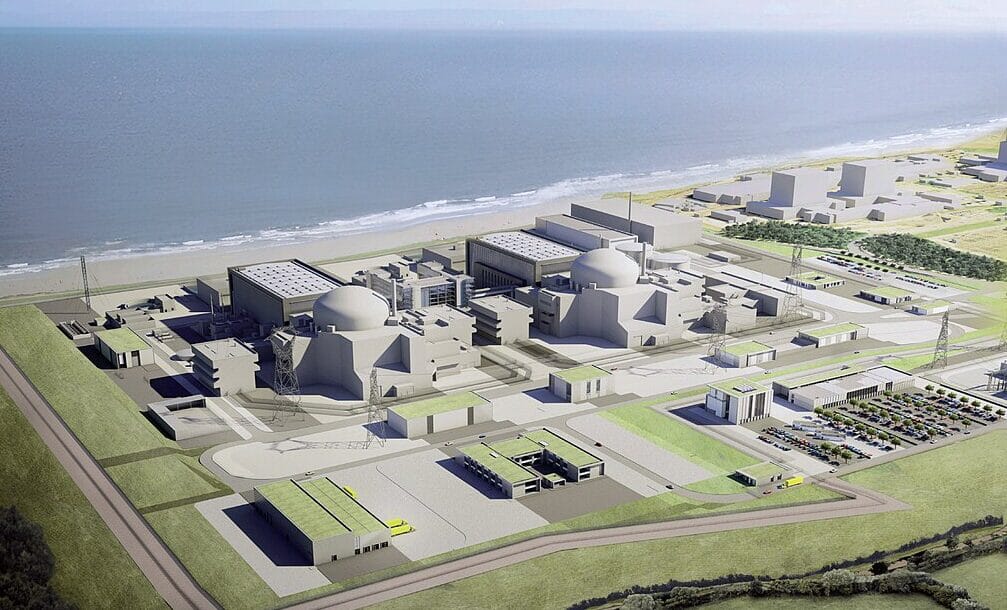
A major concern raised is the increasing number of judicial reviews, particularly against projects like Hinkley Point C and Sizewell C. The report notes that these two projects have faced a combined total of seven judicial reviews. Six of these challenges were unsuccessful, but the seventh, launched by the local campaign group Together Against Sizewell C, is still pending. The report criticises the disruption caused by such challenges, stating that projects often grind to a halt, incurring high costs, in an attempt to avoid potential legal problems.
Embed from Getty Images
To mitigate these delays, the task force recommends that the government indemnify nuclear developers against any damages incurred during the period while a judicial review is being considered. This would provide certainty and reduce unnecessary stoppages.
Another issue addressed in the report is the impact of the 1998 Aarhus Convention, which caps claimants’ costs liability in environmental cases. The taskforce claims that the UK’s rigid application of this convention is subsidising weak judicial reviews, particularly those supported by well-funded, crowd-sourced campaigns. The report recommends adjusting the cap on costs, suggesting that it should be set at 70% of the total funds raised in such campaigns. This would balance the need for legal access with the urgency of progressing nuclear projects without unnecessary delays.
The report also criticises the £700 million being spent on fish protection measures at Hinkley Point C, which it claims would save a minimal number of salmon and sea trout. Instead, the taskforce suggests that developers should be able to contribute a fixed sum to Nature England for nature preservation and recovery, rather than undertaking costly and time-consuming surveys and assessments.
Led by economist John Fingleton, the taskforce also calls for an overhaul of the planning system for national infrastructure projects. It recommends that the government set a clear strategic direction for nuclear policy, prioritising both urgency and safety, to ensure the timely delivery of these critical projects.