

Bar Council says dedicated jury courts would cut delays for vulnerable victims more effectively than proposals to restrict jury trials
Barristers have called on the government to establish specialist courts for rape, sexual assault and domestic abuse cases rather than pursue proposals to restrict jury trials as part of efforts to address the criminal courts backlog.
In a joint intervention, the Bar Council and the Criminal Bar Association said ministers should honour a manifesto commitment to create specialist courts across England and Wales designed to fast-track serious sexual offence cases while retaining jury trial safeguards.
The organisations proposed that cases involving rape, sexual assault and domestic abuse where defendant is on bail be given priority and heard by the specialist court with a jury.
The intervention comes amid continuing debate over proposals linked to the Courts and Tribunals Bill, which form part of wider attempts to tackle the Crown Court backlog, now standing at more than 80,000 cases.
Barristers argue the courts would be ‘similar’ to the Nightingale court scheme set up during the pandemic and ‘would directly reduce the waiting times currently impacting vulnerable victims/complainants, unlike the government’s proposal to reduce jury trials’, the Bar Council said.
The Bar Council said specialist courts could replicate the success of targeted listing approaches already used in some centres. At Preston Crown Court, for example, an expedited trial scheme has reduced waiting times between first plea hearings and trial completion by around 16%, demonstrating the potential impact of focused listing arrangements on serious offence cases.
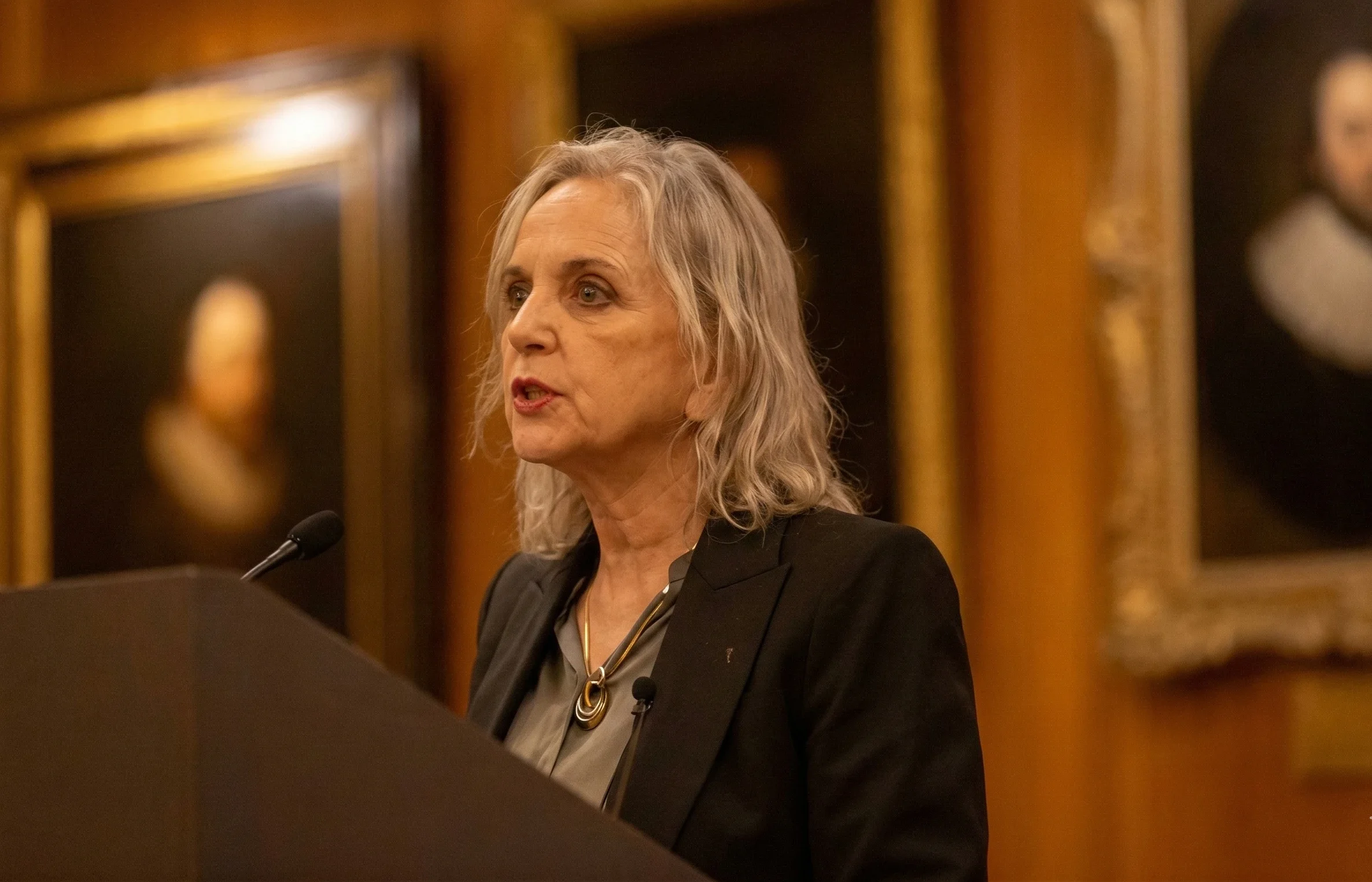
Chair of the Bar Council Kirsty Brimelow KC said the focus of reform should be on measures that directly address delays affecting victims rather than limiting jury participation in criminal trials.
She said the criminal justice system required targeted action to reduce waiting times experienced by vulnerable witnesses and emphasised that delays in rape cases often arise earlier in the process, including at the investigation and charging stages.
Brimelow added that specialist courts would allow cases involving vulnerable complainants to be prioritised more effectively and would reflect commitments already made by government as part of its strategy to tackle violence against women and girls.
The Bar Council also pointed to wider sector concern about proposals to reduce jury trial availability, noting that more than 30 organisations representing victims of violence against women and girls had raised objections to the approach.
Chair of the Criminal Bar Association Riel Karmy-Jones KC said delays in sexual and domestic abuse cases were not caused by juries and warned that reform efforts should instead focus on improving investigations, speeding up disclosure and prioritising listings for serious offences involving vulnerable complainants.
He said establishing specialist jury courts for these cases would provide a practical way of improving outcomes for both victims and defendants while reducing waiting times across the system.
The intervention follows recommendations from the Law Commission, which has previously supported the introduction of specialist sexual-offences courts within existing court buildings as part of wider reforms arising from the government’s end-to-end rape review.
Barristers said prioritising specialist courts would represent a more effective response to the criminal courts crisis than restricting jury trials, which they warned risks undermining a central safeguard of the justice system while delivering limited gains in court capacity.