
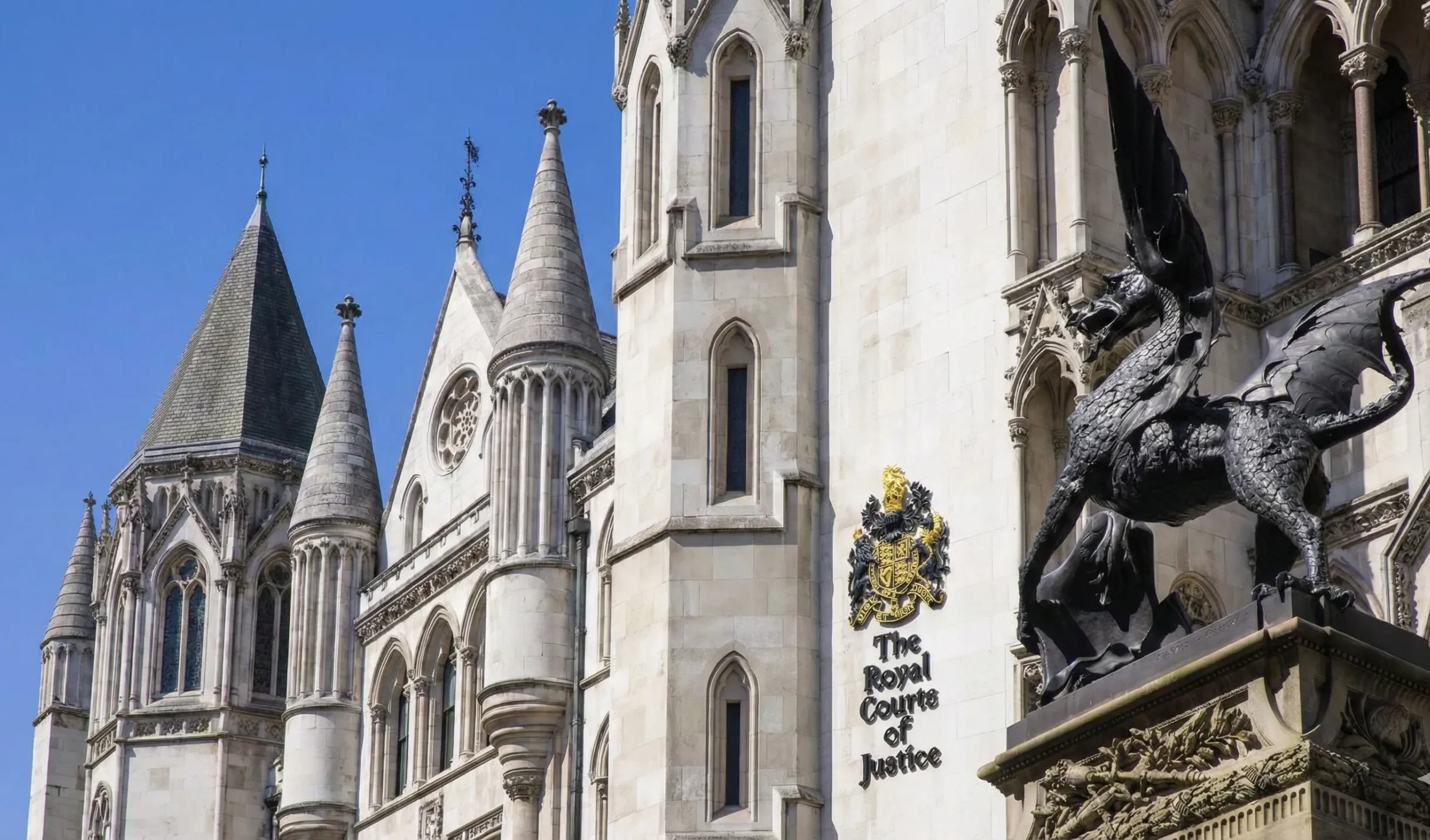


Court of Appeal backs stay on third party costs bid pending detailed assessment
The Court of Appeal has dismissed an appeal by the Federal Republic of Nigeria seeking to lift a stay on its application for a third-party costs order in long-running litigation arising from the collapse of arbitration awards in favour of Process & Industrial Developments Limited (P&ID).
In Court of Appeal judgment [2026] EWCA Civ 25, handed down on 23 January 2026, the court upheld a case management decision by Mr Justice Robin Knowles CBE to require the detailed assessment of Nigeria’s costs to be completed before Nigeria can pursue a third-party costs order against entities within the VR Capital group and its founder.
The appeal arose from proceedings following the High Court’s December 2023 decision to set aside arbitration awards worth approximately US$11 billion, which had been obtained by P&ID against Nigeria. The High Court found that the awards had been procured through fraud and serious abuse of the arbitral process, and ordered P&ID to pay Nigeria’s costs, with an interim payment of £20 million ordered on account.
Nigeria has since commenced detailed assessment proceedings, claiming costs of approximately £44.2 million excluding interest. More than £20 million plus interest has already been paid, funded by companies connected to VR Capital. P&ID itself has no independent assets and has acknowledged that no arrangements were in place to fund adverse costs liabilities.
Nigeria applied for a third-party costs order under section 51 of the Senior Courts Act 1981 against VR Global Partners LP, VR Advisory Services Ltd, and the group’s founder, Richard Deitz, arguing that the application should proceed in tandem with the assessment. The respondents opposed that course, contending that the scale of costs claimed was likely to be substantially reduced on assessment.
Mr Justice Knowles stayed the third-party costs application, concluding that it was preferable first to determine what, if any, further sums were ultimately payable. Nigeria appealed, arguing that the judge had failed to give adequate reasons and that the decision was perverse.
Delivering the leading judgment, Lord Justice Males rejected both grounds of appeal. He held that the judge had exercised a legitimate case management discretion and that it was open to him to regard it as a live issue whether anything further would be payable following assessment. The Court of Appeal found no presumption requiring third-party costs applications to be determined before or alongside detailed assessment.
The court emphasised that proportionality, the use of court resources, and the position of other court users were proper considerations under the overriding objective. Any prejudice to Nigeria caused by delay was limited to the period following completion of the assessment and was outweighed by the risk of unnecessary satellite litigation.
The appeal was dismissed. The Court of Appeal also expressed concern about the scale of the ongoing costs assessment, warning against disproportionate use of court time and encouraging a more robust and streamlined approach.