
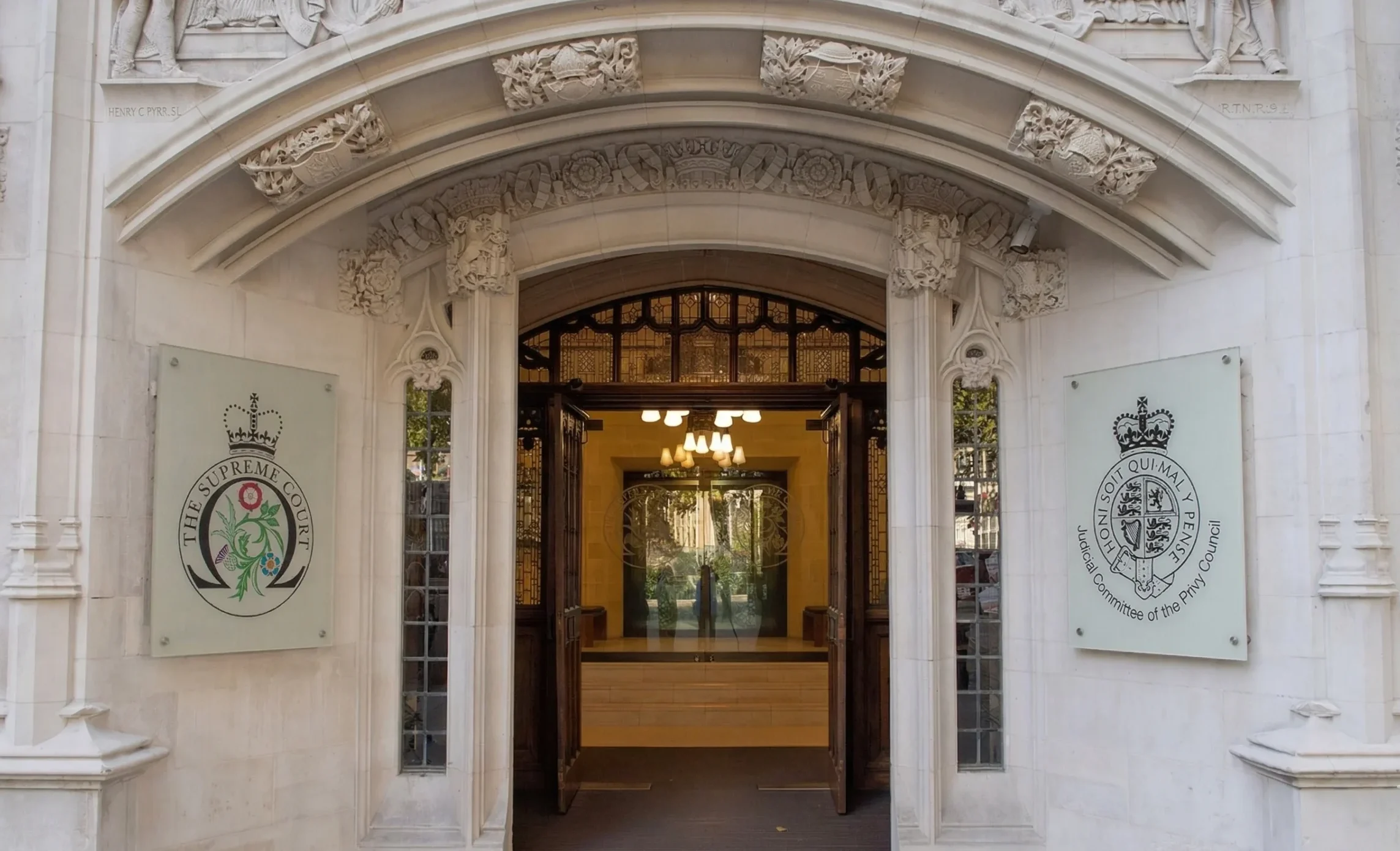

Commission convened under the Constitutional Reform Act 2005 to recommend successor to Robert Reed ahead of his retirement in January 2027
A selection commission has been convened to identify the next President of the Supreme Court of the United Kingdom, formally beginning the process to replace Lord Reed ahead of his retirement in January 2027.
Applications for the role are now open, with a deadline of 17 April 2026. The appointment will fill the most senior judicial position in the United Kingdom, responsible not only for leading the Supreme Court but also the Judicial Committee of the Privy Council and representing the judiciary in its constitutional relationships with government, Parliament and the wider public.
The selection process is governed by the Constitutional Reform Act 2005, which requires the Lord Chancellor to convene an independent commission to recommend a candidate. The successful nominee is then formally appointed by the King on the advice of the Prime Minister following acceptance of the recommendation.
The commission tasked with recommending Lord Reed’s successor will be chaired by Colm Donaghy and includes senior judicial and appointments-body representatives from across the United Kingdom. Members include Baroness Carr, Lord Lloyd-Jones, Dr Uchechi Igbokwe and Lindsay Montgomery.
The Supreme Court said: ‘The role requires not only outstanding judicial skills but a leader of the highest calibre.’ Those who are ‘not serving justices will need to fulfil the statutory eligibility requirements and additional criteria for appointment.’
The current annual salary for the Supreme Court president is £290,213.
The President of the Supreme Court occupies a central constitutional role within the UK’s legal system, combining judicial leadership with responsibility for maintaining relationships with domestic courts, devolved administrations and international judicial bodies. The office also carries responsibility for fostering collegial decision-making within the court and overseeing its institutional administration.
Lord Reed has served as President since 2020 and will step down on reaching the statutory retirement age. His successor will take office at a time when the Supreme Court continues to address complex constitutional questions arising from devolution, public law challenges and the evolving relationship between domestic courts and international legal frameworks.
The launch of the commission marks the first formal stage in a constitutionally prescribed appointments process designed to preserve judicial independence while ensuring transparent leadership succession at the apex court.