
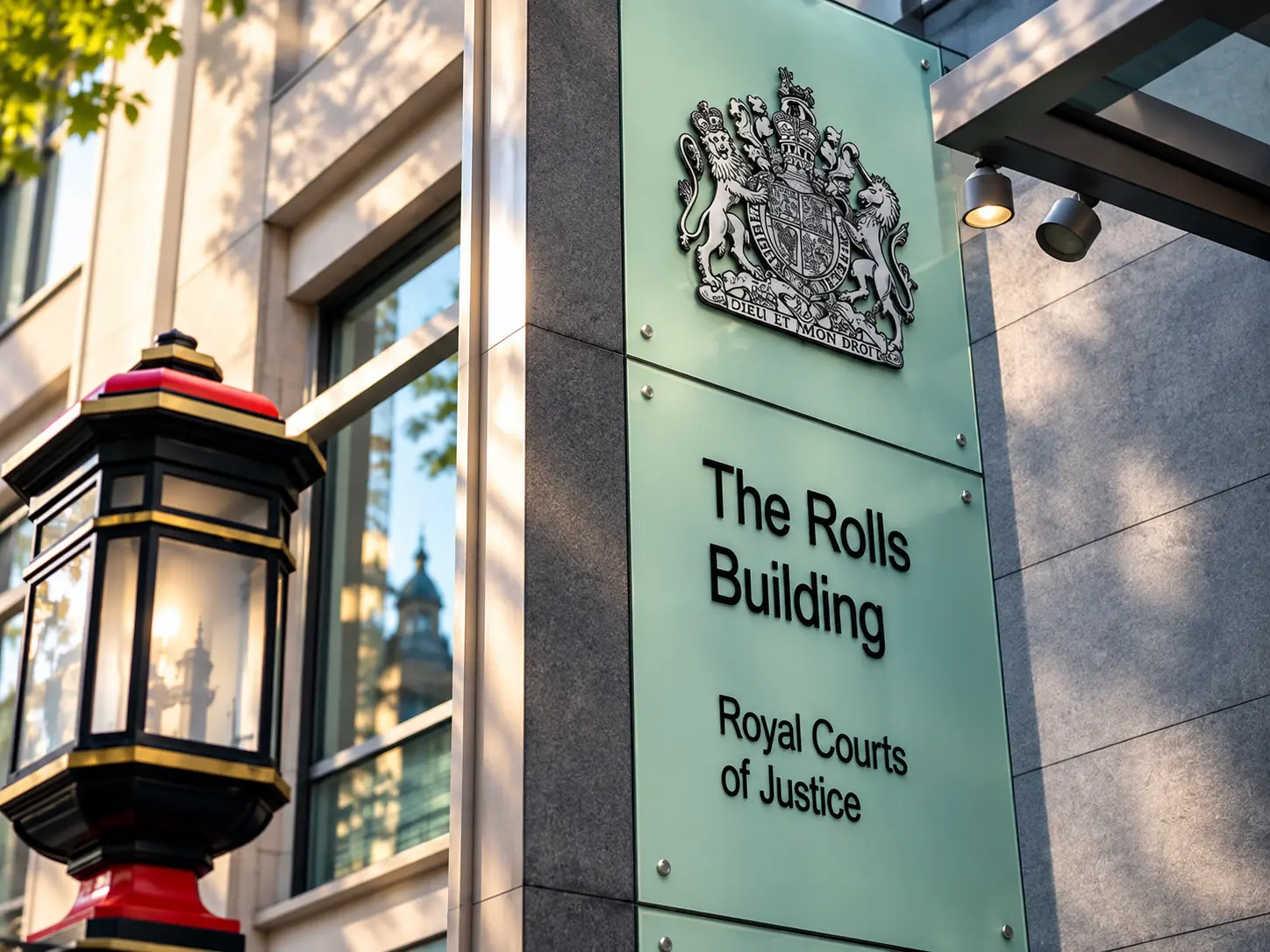

The court found England was the proper forum for the dispute over virtual data room fees.
The High Court has dismissed Nexans jurisdiction challenge in a dispute with US technology company Intralinks over a virtual data room contract. Deputy High Court Judge Thomas Raphael KC concluded that Intralinks had established the necessary jurisdictional gateways and that England was clearly the appropriate forum for the claim.
The dispute concerns “Project Otto”, a contract agreed in October 2024 for Intralinks’ virtual data room services. The parties disagreed about which contractual documents governed their relationship and, in particular, whether the contract incorporated an English or French Master Services Agreement.
The dispute became significant after Intralinks said documents uploaded by Nexans in August 2025 triggered charges of €2,193,147.70. Nexans disputed the sums and subsequently began proceedings in France, alleging that the English Master Services Agreement had not been agreed and that the charges involved bad faith.
Intralinks then brought proceedings in England seeking payment of the disputed sums. Nexans challenged the English court’s jurisdiction.
The judge found that Intralinks had the better argument that the contract was formed when both parties signed a 3 October 2024 Work Order incorporating an English-law Master Services Agreement. The earlier 2 October Work Order had not been signed, while the later document was formally executed by both parties.
The court therefore found a good arguable case under Gateway 6(c), which applies where a claim concerns a contract governed by English law. It also concluded that Gateway 7 was satisfied because the contractual payment obligation was to be performed in England. The judge held that an implied term required payment to be made according to the payment arrangements specified in Intralinks’ invoices, where those arrangements were consistent with conventional commercial practice.
The court then considered which country was the proper forum for the dispute. Although Nexans was headquartered in France and several relevant witnesses were based there, the judge concluded that England was clearly the more appropriate forum.
A significant factor was the court’s conclusion that the contract was governed by English law. The judge also considered the nature of the contractual formation dispute and the different legal issues raised by the French proceedings.
The existence of parallel proceedings in France did not alter that conclusion. The French proceedings had begun before the English claim and remained at an early procedural stage. The judge considered the risk of duplicated proceedings and inconsistent judgments but concluded that these considerations did not outweigh the factors connecting the dispute to England.
The judgment therefore dismisses Nexans’ jurisdiction challenge and permits the English proceedings to continue. The court is to hear the parties on the form of order, including initial directions and the listing of a case management conference.