
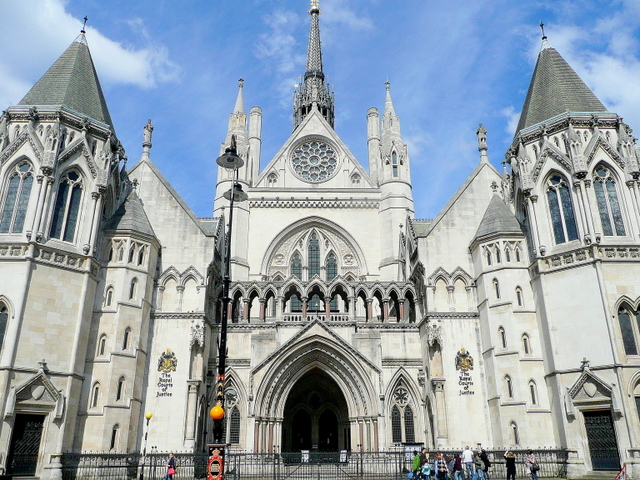


The judge said adverse costs orders after failed ENE could discourage parties from using ADR
The High Court has ordered that the costs of a failed Early Neutral Evaluation (ENE) remain costs in the case, rejecting an application by the claimants for the defendants to pay those costs on an indemnity basis.
His Honour Judge Pearce gave the decision on 7 September 2026 in 3173 Bidco Limited & Anor v Christopher James Roberts & Anor [2026] EWHC 2312 (Comm), in the High Court’s Business and Property Courts in Manchester.
The underlying dispute concerned claims by 3173 Bidco Limited and Dalriada Trustees Limited against Christopher James Roberts and CJR Pensions Limited. The claimants alleged that Roberts had breached restrictive covenants in a service agreement through his work for CJR Pensions. The defendants disputed the claims and Roberts also brought a counterclaim concerning sums said to be due under a settlement agreement.
The ENE took place on 21 April 2026, before witness statements had been exchanged. During the evaluation, the defendants advanced a previously unpleaded argument that Roberts was not competing with the claimants because the businesses operated in different markets. The judge concluded that the argument could not realistically be considered within the ENE without an amendment to the Defence. The application to amend was subsequently successful.
The claimants argued that the defendants’ late change of case had caused the ENE to become fruitless and justified an indemnity costs order. The defendants argued that costs should remain costs in the case, among other reasons because adverse costs orders for failed ADR could undermine the purpose of such processes.
Judge Pearce held that the court had power under CPR Part 44 to determine the costs of the ENE. He also referred to the established threshold for indemnity costs: there must be conduct or circumstances taking the case “out of the normal”, although this does not require misconduct or moral condemnation.
However, the judge said there were “powerful arguments” for starting from a presumption that costs following a failed ENE should be costs in the case unless compelling factors justified a different order.
He emphasised the strong judicial support for ADR and warned that routine adverse costs orders following unsuccessful ENEs could discourage parties from engaging in the process. He also noted that courts may struggle to establish what would have happened had the criticised conduct not occurred, particularly where an ENE takes place at an early stage of litigation.
In this case, the judge found that the defendants’ failure to plead their case fully was the immediate cause of the ENE’s difficulties. However, he considered it unclear whether this was partly connected to the claimants’ own late amendment of their case. He also noted that both parties had agreed to the ENE taking place before witness statements were exchanged.
The judge concluded that he could not safely determine whether the ENE would have succeeded, or whether costs would have been saved, had the defendants pleaded their case differently.
The court therefore ordered that the costs of the failed ENE be costs in the case. It also dismissed the defendants’ application for their costs of resisting the claimants’ application for costs.