
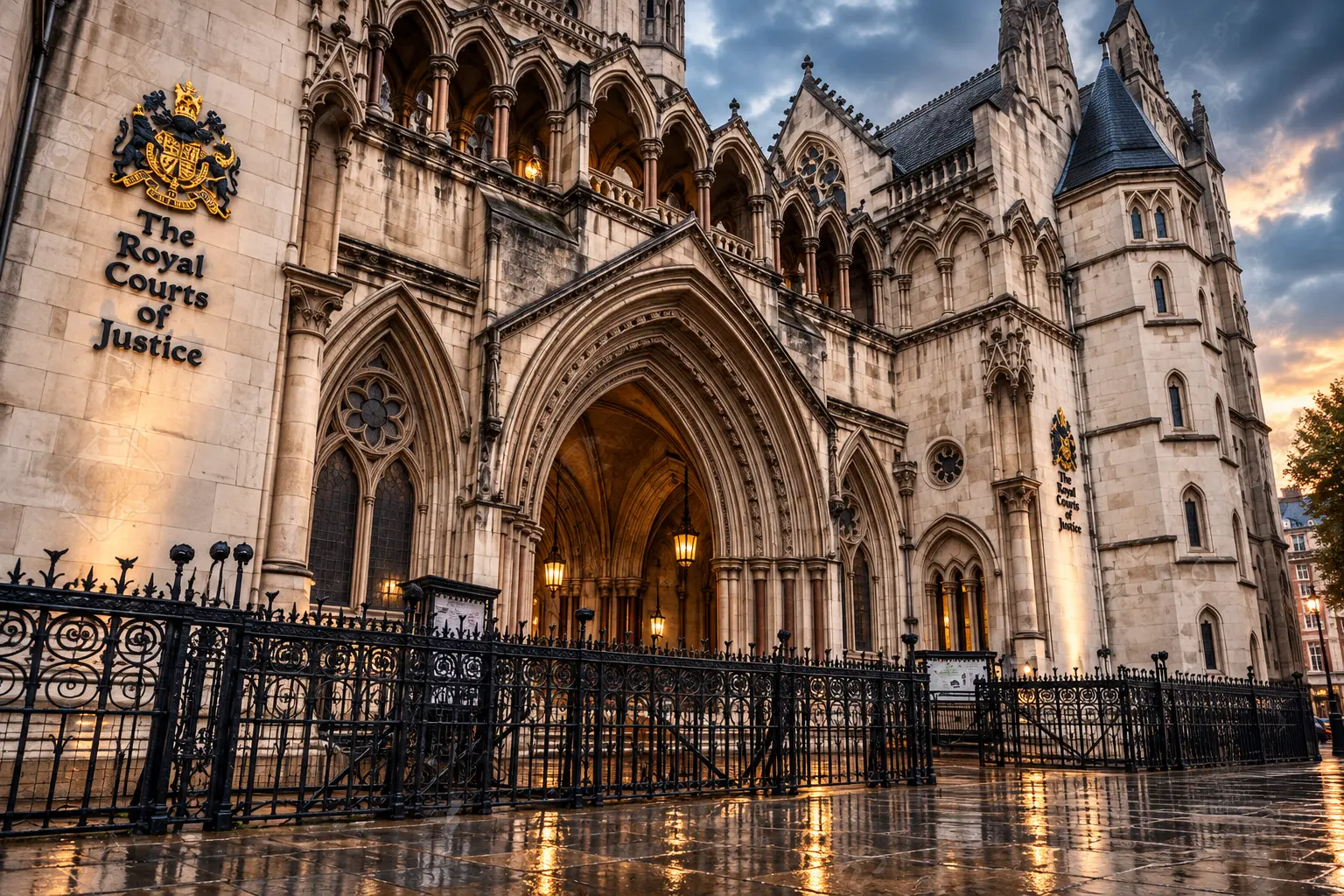

The court found nine social media posts breached a contractual non-denigration undertaking.
Denigrate settlement clause provisions can prevent parties to litigation from making statements about each other after a dispute has been resolved, as a recent High Court judgment demonstrates.
The High Court has granted an injunction preventing Poonam Joshi from republishing nine social media posts concerning Lord Raminder Singh Ranger, finding that the publications breached a contractual undertaking not to “denigrate” him.
The judgment in Lord Raminder Singh Ranger v Poonam Joshi [2026] EWHC 2451 (KB) was handed down by Richard Spearman KC, sitting as a Deputy Judge of the King’s Bench Division, on 25 September 2026.
The dispute arose from a settlement agreement reached in 2023 following litigation between the parties. A Tomlin Order dated 3 July 2023 incorporated an undertaking that “The Defendant and Claimant will not denigrate each other and/or pursue a course of conduct that amounts to harassment of the other.”
The High Court was asked to determine what “denigrate” meant in that undertaking and whether Ms Joshi had breached it through subsequent publications.
The court rejected an argument that “denigrate” required the relevant statement to be unfair, unreasonable or inaccurate. Richard Spearman KC held that the ordinary meaning covered conduct that would “blacken, belittle, disparage the character or reputation of, defame” a person. He also found that the term was wider than “defame” because it could encompass belittling conduct.
Importantly, the judge held that a publication could amount to denigration whether or not it was accurate, fair or reasonable. The issue was contractual rather than a determination of whether the publications were defamatory.
The court considered nine posts published by Ms Joshi between June 2023 and February 2026. They included posts linking to articles from The Guardian, The Telegraph, The Independent, the Daily Mail and MSN.com, with captions concerning allegations about Lord Ranger and his conduct.
One quotation attributed to Ms Joshi in a Guardian article was treated differently. The judge concluded that the quotation, which criticised the Conservative Party rather than Lord Ranger personally, did not denigrate him and it was therefore excluded from the injunction.
The court also rejected the argument that “denigrate” should be treated as equivalent to bullying or harassment. It held that the two concepts had different meanings and that the non-denigration obligation added a separate contractual obligation to the harassment limb of the undertaking.
The judge concluded that the nine publications breached the undertaking and refused to leave the matter subject only to the existing stay. He considered that an injunction was appropriate, noting that the Defendant had not provided evidence that she would refrain from further breaches without one.
However, the court declined to grant the wider injunction originally sought. Instead, the final order restrained Ms Joshi from publishing or disseminating the nine specified publications, or words or information having the same or similar effect. It also required the publications to be deleted, subject to specified exceptions.
The order also allowed publication of the judgment and permitted confidential communications of the relevant information to legal representatives, professional advisers, close family and friends, subject to the conditions set out in the order.
The decision underlines the contractual significance of carefully drafted settlement undertakings. In this case, the court treated the agreed non-denigration obligation as enforceable according to its ordinary meaning rather than importing additional requirements of falsity, unfairness or unreasonableness.