
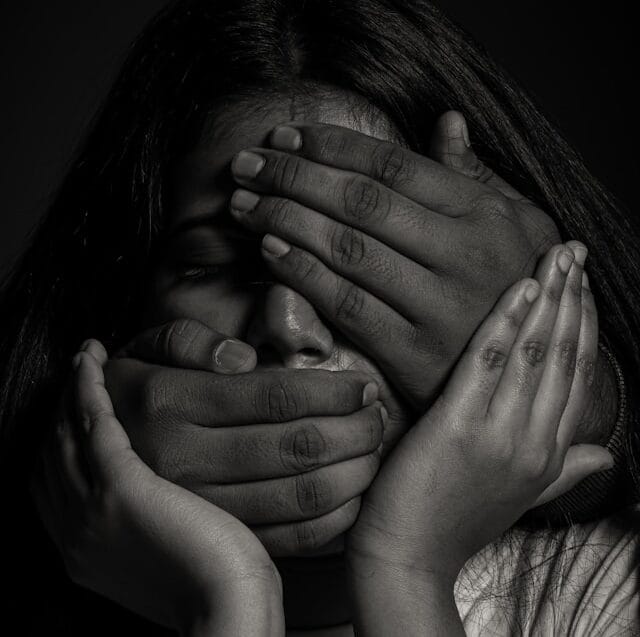

Court to deliver verdict on Henrik Sass Larsen after child porn possession admission.
A Danish court is poised to deliver its verdict in the disturbing case of Henrik Sass Larsen, a former government minister who has admitted possessing thousands of images and videos of child sexual abuse.
Larsen, once a leading figure in Denmark’s Social Democratic Party and industry minister between 2013 and 2015, confessed to storing more than 6,000 photographs and 2,000 videos on his personal computer. The material, prosecutors say, explicitly depicts children being sexually abused.
On Monday, the court in Denmark heard closing arguments. The judges are expected to announce their ruling later in the day, marking a decisive moment in one of the most shocking political scandals the country has faced in years.
Embed from Getty ImagesFor decades, Larsen was regarded as a rising star within Danish politics. His tenure as industry minister saw him occupy a high-profile role in the coalition government, shaping economic policy and representing Denmark internationally. To many, he symbolised ambition and influence within the Social Democrats. But those achievements now sit in stark contrast to the gravity of the charges he faces.
The scandal broke when investigators uncovered the cache of files during searches of Larsen’s computer equipment. Officials confirmed that the collection involved not only downloaded material but also meticulously organised folders. The sheer scale—thousands of images and videos—has intensified public outrage, fuelling debate about abuse, accountability, and the responsibility of elected officials.
During the trial, prosecutors laid out the harrowing details, underscoring the severity of the offence. They argued that by possessing such a vast archive, Larsen contributed to the exploitation of children worldwide, helping perpetuate demand for the production of abusive material. Defence lawyers did not deny the presence of the files. Instead, Larsen admitted possession but insisted he never distributed the material or engaged in direct abuse.
His legal team urged the court to focus on the distinction between possession and production, asking for leniency. But prosecutors countered that the sheer volume of material made this case exceptionally grave. “This is not a handful of files downloaded out of curiosity,” they said. “It is a systematic collection of child abuse material that cannot be explained away.”
Throughout the proceedings, Larsen has cut a subdued figure. Once known for his sharp rhetoric and public confidence, he appeared withdrawn as the evidence was read aloud. Observers noted the contrast between the man who once held one of Denmark’s most influential ministerial portfolios and the defendant now facing the full weight of the law.
The case has rocked Denmark’s political establishment. The Social Democrats have sought to distance themselves, emphasising that Larsen left front-line politics years ago. Yet his past prominence has ensured the scandal dominates national debate, prompting difficult questions about political culture, trust, and the private conduct of senior officials.
Outside the courtroom, reactions have been fierce. Child protection advocates demanded the maximum penalty, arguing that possession of such material is inseparable from the crimes committed against the children depicted. “Every single image and video is a record of abuse,” one campaigner said. “By downloading them, he is complicit.”
The court’s verdict will now determine Larsen’s fate. Under Danish law, possession of child sexual abuse material carries significant prison terms, especially when the volume of files is as high as in this case.
Whatever sentence is handed down, the political and moral consequences are already clear. A once-powerful minister now stands disgraced, his career obliterated by a scandal that has exposed the darkest of crimes. The verdict is expected to set a benchmark for how Denmark punishes high-profile offenders involved in child abuse imagery.