
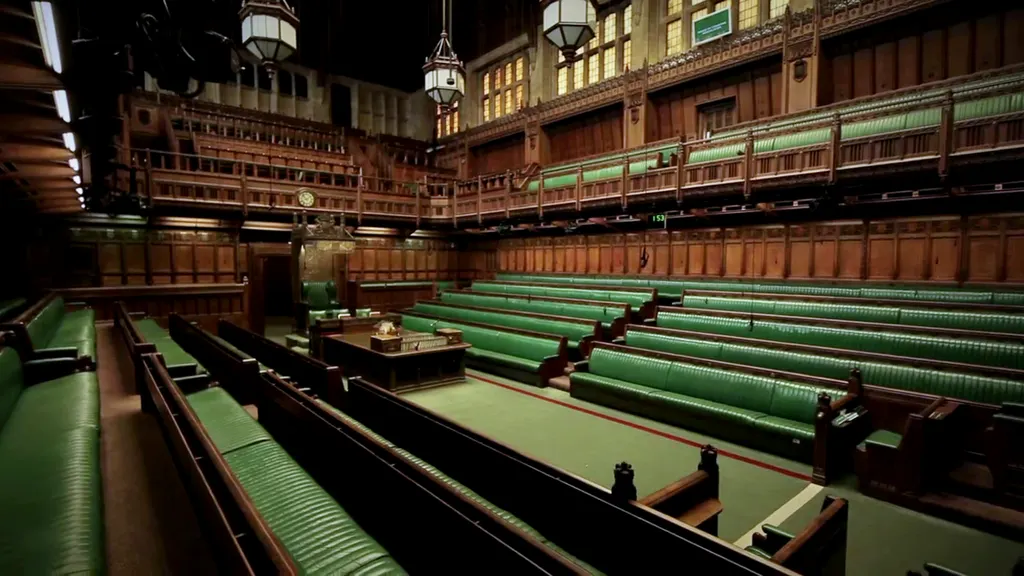


MPs open evidence process as Committee begins scrutiny of Courts and Tribunals Bill
Parliament has opened a formal call for evidence on the Courts and Tribunals Bill as it moves into the next stage of scrutiny in the House of Commons.
The House of Commons Public Bill Committee has invited individuals and organisations with relevant expertise, experience or a particular interest in the legislation to submit written evidence while the Bill passes through Parliament.
The committee is scheduled to meet for the first time on Wednesday 25 March 2026, when members will begin examining the proposed legislation line by line. The scrutiny process is expected to conclude by 5pm on Tuesday 28 April 2026.
Written submissions must be received before the committee finishes considering the legislation. Once the committee completes its review of the Bill, it will no longer accept further evidence. Parliamentary officials have advised anyone intending to submit written evidence to do so as soon as possible, noting that the committee may conclude its deliberations before the anticipated deadline.
The Courts and Tribunals Bill contains a series of proposals affecting criminal courts, evidence rules, family law and aspects of the justice system’s administration.
One of the most significant sections of the Bill concerns jury trials and broader criminal court reforms. Clauses 1 to 7 would remove the current right of adult defendants charged with an either-way offence to elect a trial by jury. Instead, courts would determine whether such cases should be heard in the magistrates’ court or the Crown Court.
The proposals would also introduce the possibility of judge-only trials in the Crown Court for certain either-way offences where the likely custodial sentence does not exceed three years. In addition, judge-only trials could be used in cases described as complex or lengthy, including prosecutions involving alleged fraud or bribery.
The legislation would further expand existing government powers to increase the maximum custodial sentence that magistrates’ courts may impose for a single either-way offence. The current maximum stands at 12 months. Under the Bill, regulations could raise that limit to 18 or 24 months.
Another proposed change would affect appeals from magistrates’ courts. The Bill would remove the automatic right for defendants to appeal their conviction or sentence to the Crown Court. Instead, defendants would need to seek permission from the Crown Court before proceeding with an appeal.
Separate provisions address the law governing evidence in criminal proceedings. Clauses 8 to 11 introduce changes relating to evidence about a complainant’s sexual behaviour and other evidential matters.
Under the proposals, a new framework would regulate when evidence of a complainant’s previous sexual behaviour can be admitted in court. Additional provisions would place new restrictions on the use of evidence showing that a complainant in a sexual offences case has previously made a compensation claim.
The Bill also proposes amendments to the rules governing “bad character” evidence. One provision would address situations where evidence suggests that a complainant previously made a false complaint. Another would amend the rules relating to a defendant’s bad character so that previous convictions for domestic abuse offences would automatically demonstrate a propensity to commit further domestic abuse offences.
Family law provisions also feature in the legislation. Clause 17 would remove the statutory presumption of parental involvement in section 1(2A) of the Children Act 1989. The current law requires family courts to presume that the involvement of both parents in a child’s life will further the child’s welfare.
Beyond changes to criminal and family law, the Bill proposes structural reforms within the justice system. Clause 18 would bring the office of the Senior President of Tribunals under the leadership of the Lady Chief Justice. The government says the measure would align the leadership structure of tribunals with that of the courts.
Additional administrative reforms appear in clauses 19 and 20. One proposal would allow secondary legislation to determine the types of expenses magistrates may claim, replacing the current arrangement in which the rules are set in primary legislation. Another would reserve the title “Central Criminal Court” exclusively for the Old Bailey, preventing it from being used for new Crown Court premises planned to open in the City of London in 2027.
The Public Bill Committee will now consider the legislation in detail as part of the parliamentary process.