
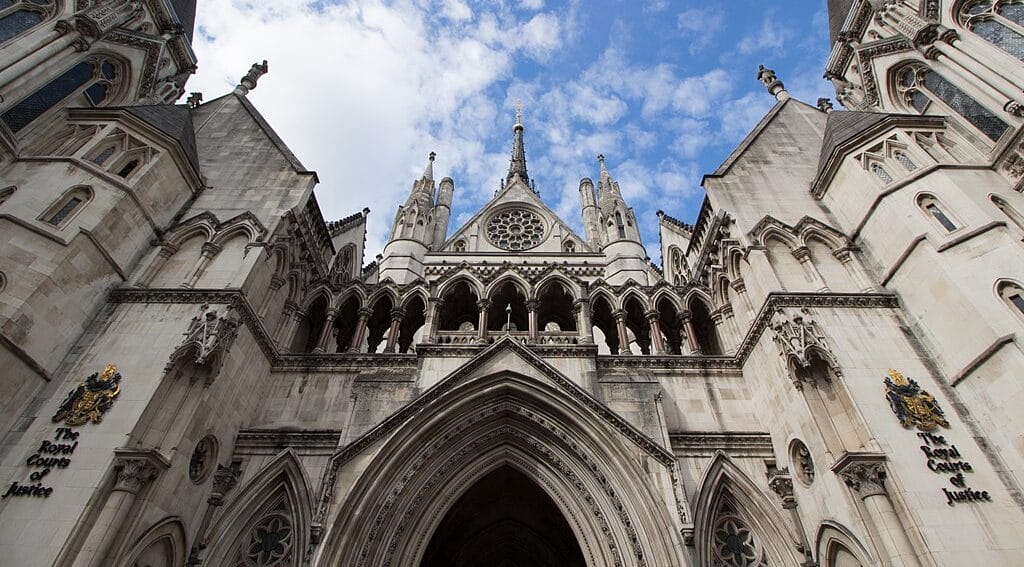


Court of Appeal to examine Mazur ruling as firms brace for long uncertainty
The Chartered Institute of Legal Executives has secured permission to challenge the ruling in Mazur, paving the way for a significant test of the principles that have unsettled large parts of the legal profession. The Court of Appeal has agreed to hear CILEX’s application, although any final resolution may be more than a year away.
CILEX was not a party to the original proceedings but relied on the Court of Appeal’s discretion to allow a challenge by someone affected by the judgment. The organisation moved quickly after Mr Justice Sheldon’s ruling in September, which triggered widespread concern about who is legally authorised to conduct litigation.
The judge determined that the Legal Services Act requires litigation to be conducted only by authorised individuals and that the work cannot lawfully be delegated to an unauthorised person, even when supervision is provided. The decision created immediate operational issues across the profession. Many legal executives and paralegals who routinely manage cases were left in doubt over their ability to continue carrying out core duties. Some firms have reportedly redeployed or released staff to comply with the ruling.
Embed from Getty Images
Representative bodies and regulators previously appeared to offer advice indicating that supervised delegation was permissible. The contrast between this advice and the Mazur decision has generated considerable uncertainty, prompting concerns about the potential scale of unlawful activity if the ruling is upheld.
CILEX chief executive Jennifer Coupland welcomed the decision to grant permission. She said it was encouraging that the Court of Appeal recognised the need for detailed scrutiny of the issues raised. She emphasised the impact already felt by legal executives, law firms and clients as a result of the judgment.
Coupland said the organisation will argue that Mazur was incorrect. She added that the appeal provides an opportunity to address uncertainty affecting access to justice, diversity within the profession and the efficient operation of the legal system. She said the consequences of the ruling extend far beyond the members of her organisation and reach into the wider delivery of legal services.
Although permission has been granted, the timetable for the appeal suggests a lengthy wait. The online case tracker for Mazur v Charles Russell Speechlys LLP lists a hearing date by 1 February 2027. The matter could be expedited but no confirmation has yet been provided. Until the appeal is resolved, firms and regulators may continue to face practical and compliance challenges created by the questions raised in Mazur.
The case has already prompted debate across the profession about the interpretation of the Legal Services Act and the future structure of legal practice. The appeal is expected to provide the first authoritative clarification of the law since the ruling was handed down.