
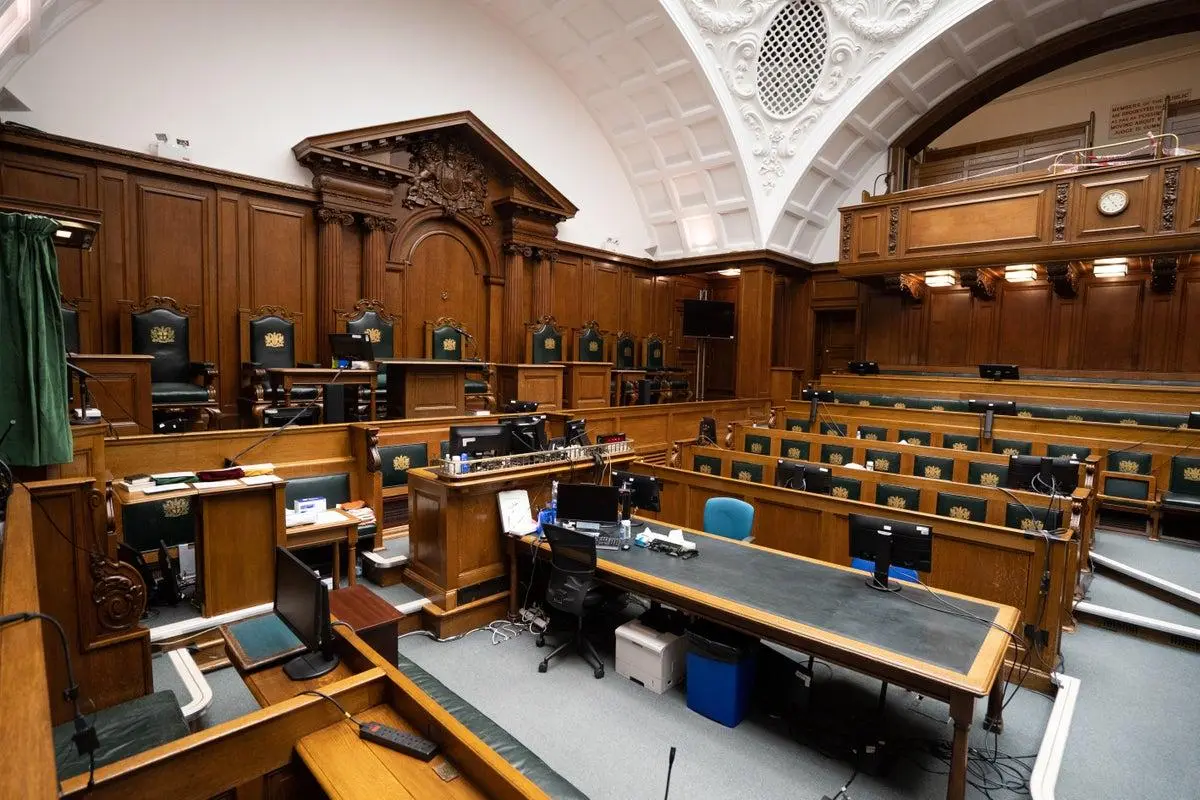

The Ministry of Justice has set out plans to reshape parts of the criminal courts system through the Courts and Tribunals Bill, with a particular focus on increasing the role of magistrates’ courts and reducing pressure on the Crown Court. The proposals could affect how cases are allocated, the sentences magistrates can impose and the way defendants challenge decisions.
What is the Courts and Tribunals Bill?
The Courts and Tribunals Bill is a Government Bill published on 25 February 2026. The Ministry of Justice says it is intended to support a more efficient and accessible justice system by changing aspects of court procedure, jurisdiction and administration.
The Government’s accompanying materials identify criminal court reform as a central part of the package. In particular, the proposals seek to move more suitable cases through magistrates’ courts, which generally deal with cases more quickly than the Crown Court.
The Bill also includes provisions affecting other areas of the justice system, including measures relating to victims and witnesses, evidence in sexual offence prosecutions and the approach taken by family courts to parental involvement.
What changes are proposed for magistrates’ courts?
One of the principal proposals concerns triable-either-way offences, which can currently be heard either in the magistrates’ court or the Crown Court. Under the proposed model, magistrates would determine whether a case is suitable to be heard in their court by reference to the seriousness and complexity of the offence.
Where magistrates consider that a case is suitable for their jurisdiction, the defendant would no longer have an automatic right to elect trial in the Crown Court. The Government says this would reduce the number of cases moving into the Crown Court where a magistrates’ court could deal with them appropriately.
The Bill also proposes increasing magistrates’ custodial sentencing powers. The Government’s initial intention is to raise the general maximum custodial term available to magistrates for relevant either-way offences to 18 months. The materials explain that the legislation would allow a limit of 18 or 24 months, while the initial implementation plan is for 18 months. The maximum sentence available for an individual offence would not itself be increased by this change.
Magistrates would also be able to commit a case to the Crown Court for sentence where the court considers that a greater term of imprisonment is necessary.
Separately, the Bill would replace the automatic right to appeal from magistrates’ courts to the Crown Court with a permission stage. Where permission is granted, the appeal would address the issues for which permission has been given rather than automatically rehearing the whole case. The proposals also provide for trial and sentencing proceedings in magistrates’ courts to be audio recorded to support the revised appeal process.
What do the latest figures show?
The November 2026 impact document describes magistrates’ courts as a high-volume jurisdiction which handles the majority of criminal cases. It states that more than 90% of criminal cases in England and Wales start and finish in the magistrates’ courts.
- Cases handled in 2025Almost 1.5mMagistrates’ courts
- Completed at first listing73%During 2025
- Median charge-to-completion time50 daysMagistrates’ courts, June 2026
- Crown Court median time189 daysJune 2026; 245 days for defendants on bail
For the quarter ending June 2026, the document records 357,064 cases disposed of by magistrates’ courts, compared with 27,837 in the Crown Court. It also gives the median time at court for non-Single Justice Procedure cases in magistrates’ courts as seven days.
The document reports that the open magistrates’ court caseload stood at around 380,000 cases at the end of June 2026, approximately half of which related to the Single Justice Procedure. It says that the magistrates’ courts’ higher throughput and shorter completion times are relevant to the Government’s plan to retain more suitable cases in that jurisdiction.
For triable-either-way cases, the figures in the document show a median at-court case length of 16 days in magistrates’ courts and 198 days in the Crown Court for the quarter ending June 2026. For triable-either-way trial cases where the defendant pleaded not guilty, the corresponding figures were 157 days and 438 days respectively.
How will court capacity be supported?
The Government acknowledges that the reforms will increase the amount of work handled by magistrates’ courts. Its published Economic Impact Assessment estimates that the structural reforms would add around 8,500 sitting days a year in steady state following implementation.
The November factsheet sets out a number of measures intended to increase capacity:
- Funded magistrates’ court sitting days increased from 114,000 in the previous year to 125,800 in 2026/27.
- The Government has set a target of 131,000 sitting days by 2028/29, with funding available for up to 140,000 days subject to sufficient workforce capacity.
- A target has been set to reach 21,000 magistrates in 2028/29.
- Almost 1,500 magistrate appointments have been made across England and Wales since April 2026, according to the document.
- The Government reports investment of £287 million across the court estate for repairs and digital upgrades, alongside an additional £13 million a year for criminal legal aid in magistrates’ courts.
The document also refers to recruitment of District Judges, Deputy District Judges and legal advisers, as well as additional training. It states that the Judicial College has begun planning training for magistrates, legal advisers and District Judges in preparation for the Bill’s reforms.
What do the proposals mean for defendants and victims?
The Government’s stated aim is to ensure that cases are dealt with in the jurisdiction best suited to their seriousness and complexity. It argues that retaining appropriate cases in magistrates’ courts could release Crown Court capacity for more serious matters and reduce waiting times.
The proposed appeal changes are also intended to reduce the need for victims and witnesses to give evidence again where an appeal is unlikely to succeed. Under the proposed system, a judge would first consider whether permission to appeal should be granted. If permission is granted, the appeal hearing would focus on the permitted grounds rather than automatically rehearing the entire case.
The Bill contains measures beyond criminal case allocation. These include changes to the admissibility of certain evidence in sexual offence prosecutions, provisions to strengthen special measures for victims and witnesses, and repeal of the presumption of parental involvement in the Children Act 1989 so that decisions about children continue to focus on their welfare.
These are proposals contained in the Bill and its accompanying Government documents. Their practical effect will depend on the legislation’s passage, commencement and implementation.
What happens next?
The Courts and Tribunals Bill remains a parliamentary measure. The Government publication records that it was first published on 25 February 2026 and was updated on 9 November 2026 to add the document on the impact on magistrates’ courts.
The November document says the Government intends to evaluate the reforms, including through a statutory independent review considering their impact on disparities between different defendants. It also refers to wider evaluation of how the measures operate and their effects, to support post-legislative scrutiny.
For solicitors and other practitioners, the proposals are relevant to advice on mode of trial, sentencing jurisdiction and appeals in magistrates’ court proceedings. Practitioners should distinguish the current law and procedure from the changes proposed in the Bill, and monitor the Bill’s progress and any commencement arrangements before treating the proposed framework as operative.
Frequently asked questions
Has the Courts and Tribunals Bill become law?
The GOV.UK publication identifies it as a Bill introduced to Parliament on 25 February 2026. The publication and accompanying factsheets describe proposed reforms; they should not be treated as confirmation that the measures are already in force.
Will defendants lose the right to choose a Crown Court trial?
The Bill proposes removing the right to elect Crown Court trial for triable-either-way offences where the magistrates’ court has decided it can hear the case. The court would determine the appropriate venue by considering the case.
Will magistrates be able to impose longer prison sentences?
The Bill would enable the general custodial limit for relevant triable-either-way offences to be increased to 18 or 24 months. The Government says its initial intention is to increase the limit to 18 months. This would not change the statutory maximum sentence for an offence.
How would appeals from magistrates’ courts change?
The proposal would replace the automatic right to appeal to the Crown Court with a permission stage. If permission is granted, the appeal would deal with the grounds allowed rather than automatically rehearing the whole case.
How many cases do magistrates’ courts handle?
The November 2026 Government document says magistrates’ courts handled almost 1.5 million cases in 2025 and that more than 90% of criminal cases in England and Wales start and finish in those courts.
Where can practitioners read the impact document?
The Ministry of Justice’s document, Impact on the Magistrates’ Courts (November 2026), is available as a PDF from the GOV.UK Courts and Tribunals Bill publication page.