
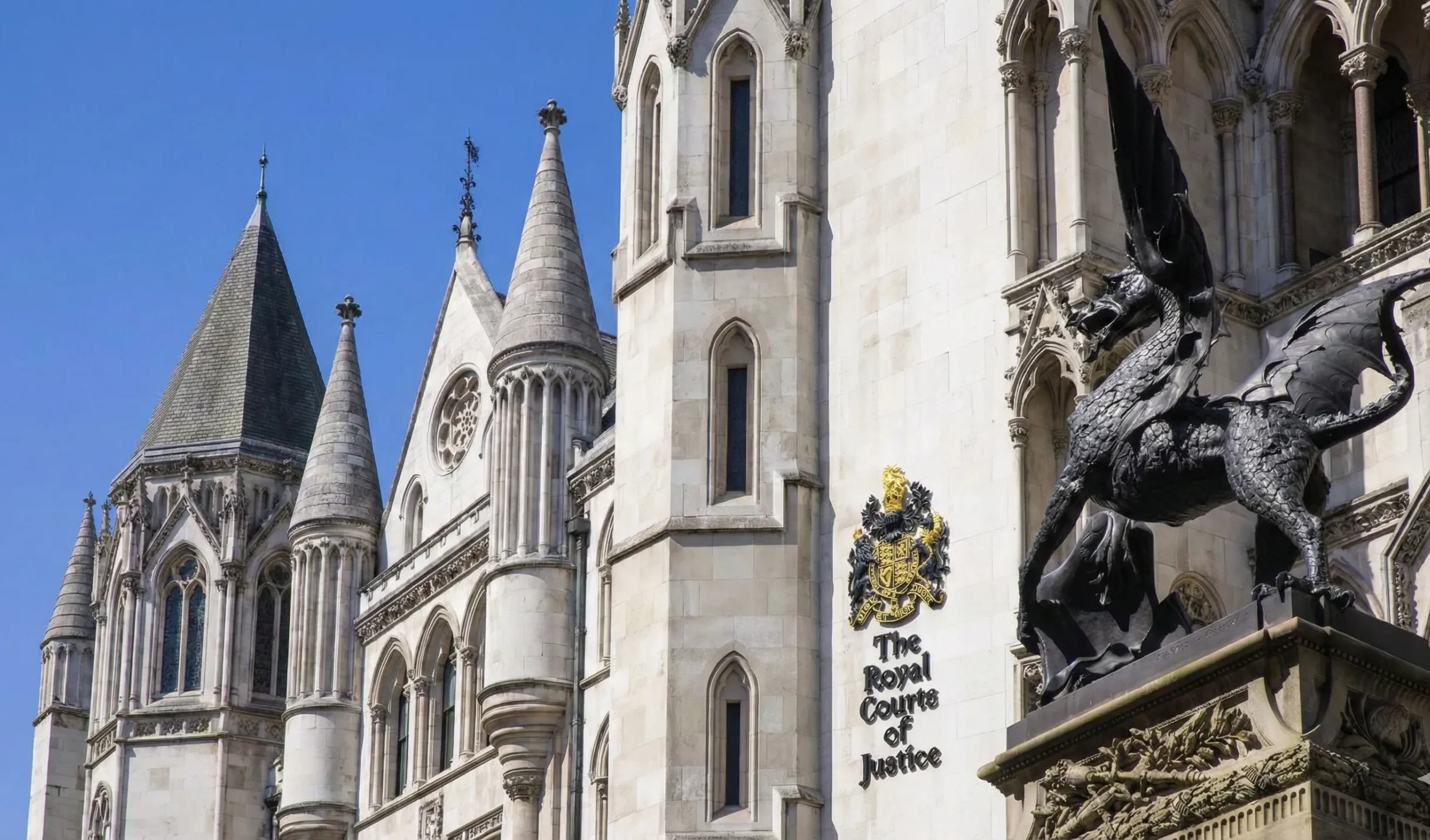


Mr Justice Bright found no serious issue over IMC’s alleged control and criticised the service-out application.
The High Court has set aside an IMC service order allowing proceedings to be served on Interunity Management Corporation S.A. (IMC) outside England and Wales. Mr Justice Bright ruled that the claimants had not raised a serious issue to be tried over their allegation that IMC controlled the companies involved, and that their application had not been fairly presented to the court.
The judgment, handed down on 14 September 2026, concerned two actions brought by Degroma Trading Inc and Neriman Associates S.A. against companies connected with two vessels, the Diamond-T and Ruby-T. IMC, which is incorporated in Panama, had been joined to the proceedings following an order made by Waksman J on 11 May 2026.
The underlying dispute followed the termination of bareboat charters in January 2024. The claimants alleged that IMC exercised indirect or de facto control over the Dreter defendants and Ocean Chem Holding Ltd, and that it was ultimately the beneficial owner. They relied on this case to support claims including deceit and unlawful-means conspiracy.
The court found that the evidence did not provide a sufficient basis for the alleged IMC ownership or control. In particular, Ocean Chem’s sole shareholder and director was Alexandra Mangos, while documents filed in Malta stated that she owned the relevant shares. An email sent by US lawyers Morgan Lewis to the Office of Foreign Assets Control (OFAC) on 13 January 2024 also identified Ms Mangos as the vessels’ ultimate beneficial owner.
Mr Justice Bright also criticised how the earlier application had been presented to Waksman J. The judge was not told about the beneficial-owner notices, was not shown the significance of the Morgan Lewis email, and was not reminded that evidence from Charles Weller stated that the intended special purpose vehicle was to be owned and controlled by Ms Mangos.
A further problem concerned references to “Interunity”. Mr Justice Bright found that the claimants had given the earlier judge a misleading impression about the relationship between IMC and affiliated entities. The so-called Interunity Group had no formal corporate structure, holding company or entity owning the others.
The court therefore allowed IMC’s application and set aside the 11 May 2026 order insofar as it permitted service outside the jurisdiction and joined IMC to the proceedings.
The judgment also stresses the importance of full and frank disclosure in without-notice applications. Mr Justice Bright said practitioners should follow the Commercial Court Guide’s Appendix 9 checklist and structure applications around the three-stage jurisdiction test and a separate section addressing disclosure.
For practitioners, the immediate lesson is clear: applications for permission to serve proceedings outside the jurisdiction must fairly identify material evidence that may undermine the application, rather than presenting potentially adverse material only as support for the applicant’s case.