
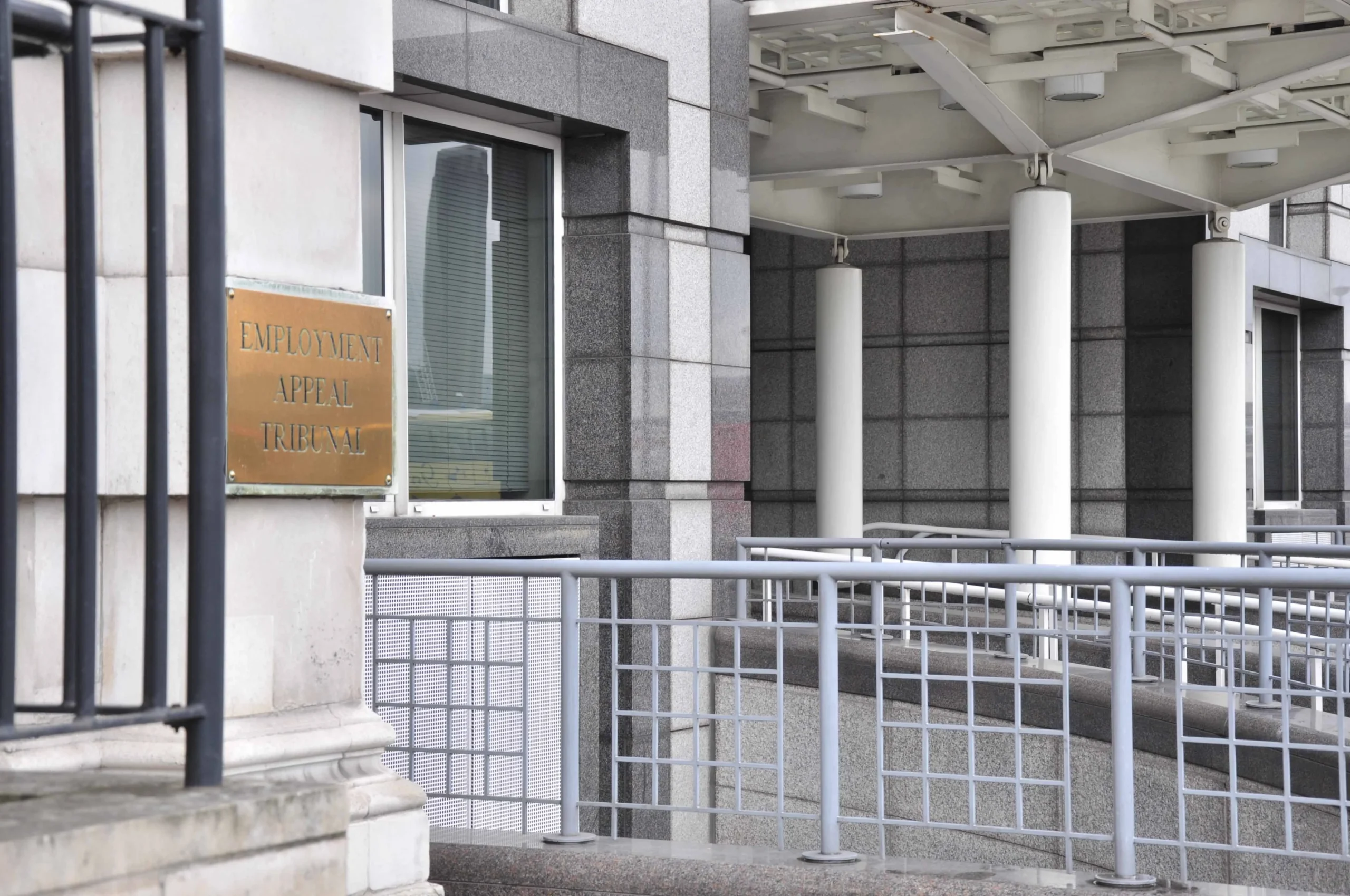

The EAT upheld two whistleblowing detriment findings and ordered a fresh review.
A whistleblowing case involving a dental hygienist has been sent back to an Employment Tribunal after the Employment Appeal Tribunal (EAT) found errors in the original decision. The EAT set aside the tribunal’s 2024 judgment and substituted a finding that the employee was subjected to detriment through his suspension and disciplinary investigation because he had made a protected disclosure.
The case concerned B Kristensen, who was employed by Portman Healthcare Limited from 2008 until his summary dismissal on 30 September 2021. He had brought claims for automatically unfair dismissal linked to whistleblowing, ordinary unfair dismissal, protected disclosure detriment and wrongful dismissal.
The dispute followed a series of events concerning covert recordings made by Kristensen at work. In August 2021, the company instructed him to hand over recordings and warned that further covert recording or failure to provide existing recordings would be treated as gross misconduct.
On 16 August, after Kristensen alleged in the presence of police that his signature on a 2016 employment document had been forged, the company refused him access to his personnel file. He was suspended later that day. A subsequent disciplinary process considered, among other matters, his failure to provide recordings, the forgery allegation and a covert recording of the suspension meeting. He was dismissed on 30 September 2021.
The original Employment Tribunal found that the forgery allegation amounted to a protected disclosure. It also found that refusing access to the personnel file and suspending Kristensen were detriments caused by that disclosure. However, it rejected his wider claims and concluded that the detriment complaint was out of time.
The EAT found several legal errors in that approach.
On unfair dismissal, the EAT said the tribunal had failed to identify the employer’s actual principal reason for dismissal under section 98(1)(a) of the Employment Rights Act 1996. Describing the reason simply as “misconduct” did not answer that question. The EAT also said the tribunal needed to consider whether the principal reason was composite rather than a single factor.
The EAT further held that the disciplinary investigation was not limited to the steps covered by the initial investigation letter. The protected allegation of forgery became part of the disciplinary process, including the disciplinary hearing. The tribunal had therefore erred in finding that the investigation was not connected to the protected disclosure.
It also found that the suspension was an act extending over a period for the purposes of section 48(4)(a) of the Employment Rights Act. The tribunal had wrongly treated it as a one-off act.
The EAT therefore allowed grounds 3, 6, 7 and 9 of the appeal and set aside the 2024 judgment. The wrongful dismissal claim was dismissed, but the section 47B complaint succeeded in relation to the suspension and disciplinary investigation.
The remaining issues were remitted to the same Employment Tribunal. These include the principal reason for dismissal, whether the dismissal was fair or unfair under sections 103A or 98, whether refusal of access to the personnel file formed part of a series of similar acts, and the appropriate remedy