
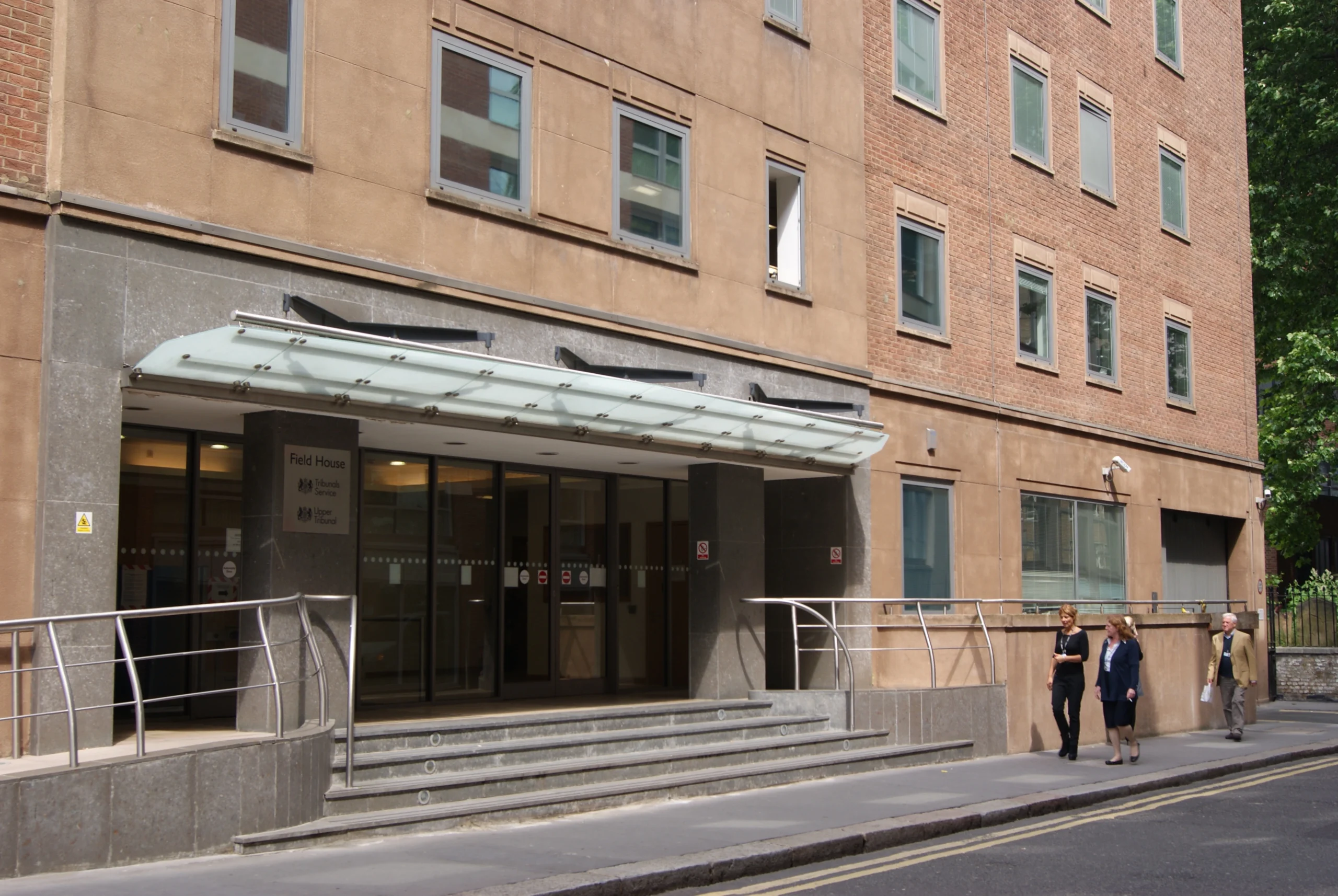


The Tribunal ruled that charges must follow the wording of the lease and the earlier Lands Chamber decision
Service charge recovery has been narrowed by the Upper Tribunal (Lands Chamber) after it allowed an appeal concerning the interpretation of lease provisions for a flat in Bournemouth.
In Vincent Chent-Wei Teo v Rockstead Holding Company Limited, His Honour Judge Hanbury held that the First-tier Tribunal (FTT) had been wrong to depart from an earlier Lands Chamber decision concerning the same building and identical or almost identical lease terms. The decision was handed down on 19 August 2026.
The dispute concerned Flat 1 at Rockstead, 18 West Overcliff Drive, Bournemouth, and service and other charges claimed by Rockstead Holding Company Limited. The FTT had upheld the company’s claim following proceedings that began with a county court claim for unpaid service charges in 2022. The service charge issues were later transferred to the FTT.
The Upper Tribunal considered four questions concerning the construction of the lease, including the meaning of the words “to include”, “shared by” and “is common”, and whether the lease permitted recovery of service charges on account before the relevant costs had been incurred.
The Tribunal applied the contractual interpretation principles set out by the Supreme Court in Arnold v Britton. It stressed that the court or tribunal must identify the objective meaning of the words used and cannot rewrite an agreement to produce what appears to be a more commercially sensible result.
A key finding was that the FTT should have treated the earlier Lands Chamber decision in Lardy v Van Gytenbeek as binding, subject to differences in the lease terms. The earlier case concerned the same building and identical or almost identical provisions.
The Tribunal also held that service charges relating to matters not shared by Flat 1 were outside its service charge obligation, apart from the roof and foundations. In the absence of wording extending the liability, Flat 1 was responsible for contributing to elements over which it had express rights.
The ruling also draws a clear distinction between costs already incurred and costs that are yet to be incurred. Part II, paragraph 3 of the Fifth Schedule referred to costs “incurred”, while Part I, paragraph 3 expressly covered costs “to be incurred or incurred”.
The Tribunal said it was necessary to give effect to that distinction, even though it appeared to result from a drafting error. As a result, service charges under Part II, paragraph 3 could be recovered on account only where the costs had been incurred. Charges could be recovered before costs were incurred only where the lessor could rely on Part I, paragraph 3.
The judgment noted that, according to the appellant’s submissions, almost 95% of the service charges demanded related to costs to be incurred. The Tribunal recorded that around 95% of the demanded service charges therefore could not be recovered under the provision concerned.
For solicitors advising on leasehold service charge disputes, the practical point is that liability cannot simply be inferred from an overall expectation that costs will be divided between flats. The precise wording of the lease remains central, including distinctions between shared and non-shared elements and between costs already incurred and future expenditure.
The Upper Tribunal set aside the FTT’s decision and allowed the appeal. It also confirmed that the earlier Lardy interpretation was correct.
The judgment states that either party may seek permission to appeal to the Court of Appeal on a point of law. An application must generally be received within one month after the decision is sent to the parties, subject to the separate timetable where an application for costs is made