
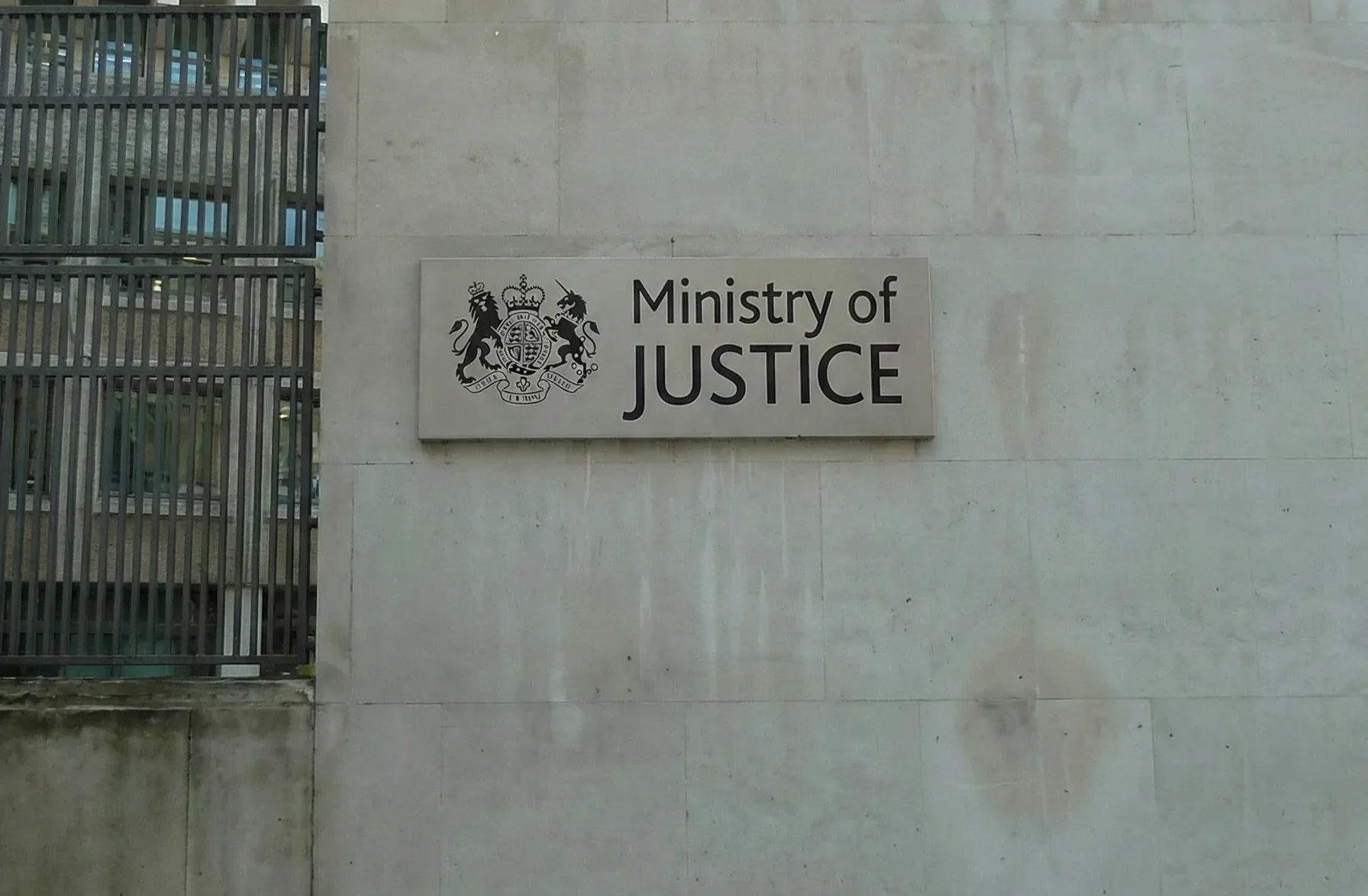


Rapists and serious child sex offenders will no longer qualify under the revised early release changes
Rape sentencing changes have been tightened after the UK Government confirmed that offenders convicted of rape, serious child sexual offences and other grooming offences will be excluded from upcoming changes to prison release arrangements.
The announcement, published on 4 August 2026, follows a review ordered by Prime Minister Andy Burnham shortly after taking office. According to the Government, the review was launched in response to concerns raised by victims about planned changes to the operation of the Sentencing Act.
Under the revised approach, offenders convicted of rape, serious child sexual offences and grooming offences will not benefit from the forthcoming changes to release arrangements. The Government said these offenders will continue to serve the same custodial sentences as under the existing system, meaning they will remain in prison for longer than they would have under the proposed reforms.
The decision also expands the list of offenders already excluded from the reforms. Those exclusions already cover individuals serving life sentences and offenders whom the courts have determined to be among the most dangerous. As a result, the Government said more than 18,000 offenders serving the most serious sentences will remain outside the revised release framework.
Prime Minister Andy Burnham said public safety was his government’s highest priority and acknowledged the concerns expressed about the original proposals.
He said the Government had listened to victims and decided to exclude rape, serious child sexual offences and grooming offences from the sentencing changes. However, he added that extending the exclusions further was not currently possible without increasing the risk of the prison estate reaching capacity, which he said would create wider risks to public safety.
The Government also announced additional supervision measures for offenders released into the community. Ministers said there will be a presumption that offenders are electronically tagged following release, alongside longer periods of community supervision and new restrictions designed to monitor offender behaviour more closely.
For offenders convicted of rape or serious child sexual offences who complete their custodial sentences, the Government said stronger post-release controls will apply. These include GPS trail monitoring for 12 months, continued placement in the highest probation supervision tiers and mandatory consideration for referral to Approved Premises, which provide closely supervised accommodation. Offenders linked to organised child sexual exploitation, including grooming gangs, will also face enhanced risk management and stricter licence conditions.
Alongside the supervision measures, ministers announced a strengthened package of support for victims. The Government has committed an additional £10 million for local frontline victim services, with the funding intended to improve trauma-informed support.
Officials also said they will increase contact with victims affected by the reforms, regardless of sentence length or whether they are already enrolled in the Victim Contact Scheme. A dedicated national victim helpline is expected to be available by October 2026, providing emotional support and practical guidance to those affected. The Government has also paused implementation of the wider reforms to allow more victims to receive information and contribute to licence conditions, including exclusion zones where appropriate.
Justice Secretary Alex Norris said the Government had reviewed the proposals with the Prime Minister and had decided to go further to strengthen protections for victims.
He said excluding rape and serious child sexual offences from the reforms was the right decision, while also confirming that victims would receive improved support and greater reassurance through stronger supervision of offenders leaving prison.
The wider implementation of the Sentencing Act reforms has been postponed from September to 1 October 2026. The Government said the delay will give probation services additional time to prepare for the changes and ensure victims can contribute to decisions about licence conditions placed on offenders.
The Government said the reforms are intended to help maintain prison capacity while ending the reliance on temporary emergency early release schemes. It also confirmed that offenders who behave violently or repeatedly breach prison rules under the new progression model could lose eligibility for earlier release and, in some cases, remain in custody for the entirety of their sentence.