

Plans include specialist youth intervention courts, stronger parenting orders and £15.4m funding for early intervention programmes
The government has unveiled landmark reforms to the youth justice system aimed at intervening earlier to stop more young people falling into crime, alongside proposals for stronger accountability measures for parents and carers when children offend.
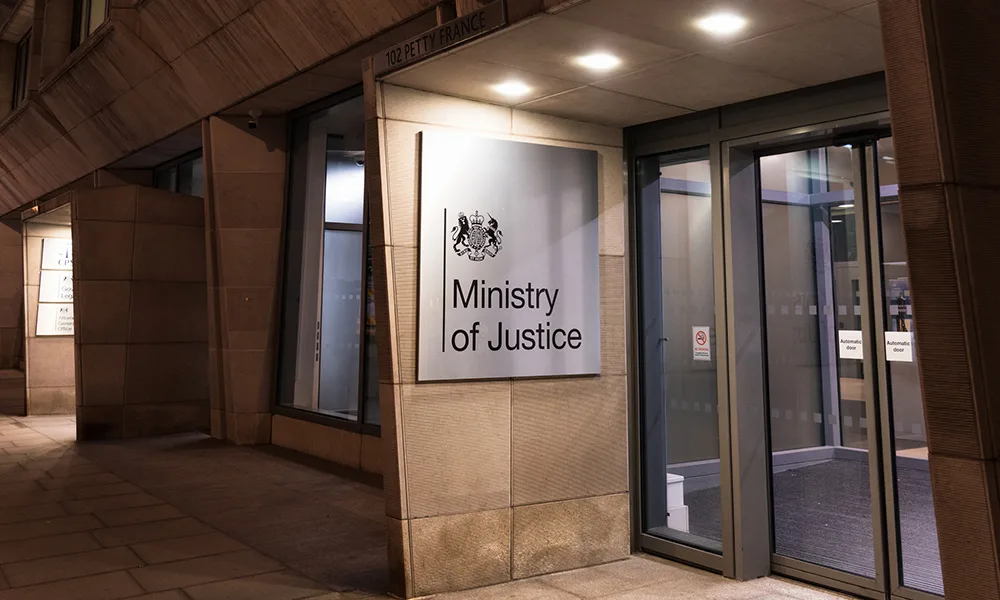
The Ministry of Justice said the reforms form part of wider government action to cut crime and create safer streets. Central to the plans are specialist “youth intervention courts”, which would bring together judges, youth justice services and specialist support agencies to keep young people “on track”.
The proposed courts would provide intensive supervision alongside tailored interventions, including educational and health-related requirements designed to address the causes of offending behaviour and reduce repeat offending among children and young people.
The courts form part of a broader package of reforms outlined in a new youth justice white paper published by the government. Ministers also plan to strengthen parenting orders, which can compel parents and carers to take action to address a child’s behaviour but are now rarely used. Youth rehabilitation orders will also be strengthened to improve the monitoring of children’s whereabouts and compliance with court-imposed conditions.
An additional £15.4 million will be invested into Turnaround, the government’s early intervention programme designed to divert children away from offending before they enter the formal justice system. Ministry of Justice figures showed that, as of December 2024, only 7% of children who completed a Turnaround intervention went on to receive a sentence or caution.
The government also confirmed that proposals to reform the youth out-of-court resolution framework will be published later this autumn, while a wider review examining the “function and purpose” of criminal courts dealing with child defendants is expected to report next year.
Deputy prime minister and justice secretary David Lammy said: “Too many young people are being drawn into crime, with devastating consequences for victims, communities and their own futures. These reforms lay the foundation to intervene far earlier, support families, and tackle the drivers of offending so fewer young people become trapped in cycles of crime, creating safer streets and fewer victims.”
Government data cited in the reforms showed that eight out of ten prolific offenders committed their first offence as a child, while around two-thirds of children released from custody reoffend within a year.
Bar Council chair Kirsty Brimelow KC said: “There needs to be a shift from criminalisation – which long has been shown to set a child onto a path of crime – to rehabilitation.”
She added: “Our understanding of child development has moved on substantially, and yet the minimum age of criminal responsibility in England and Wales remains at 10 years old, the youngest in Europe.”
“The Bar Council is producing a report examining the minimum age of criminal responsibility over the next weeks and we look forward to working with the government on youth justice.”