
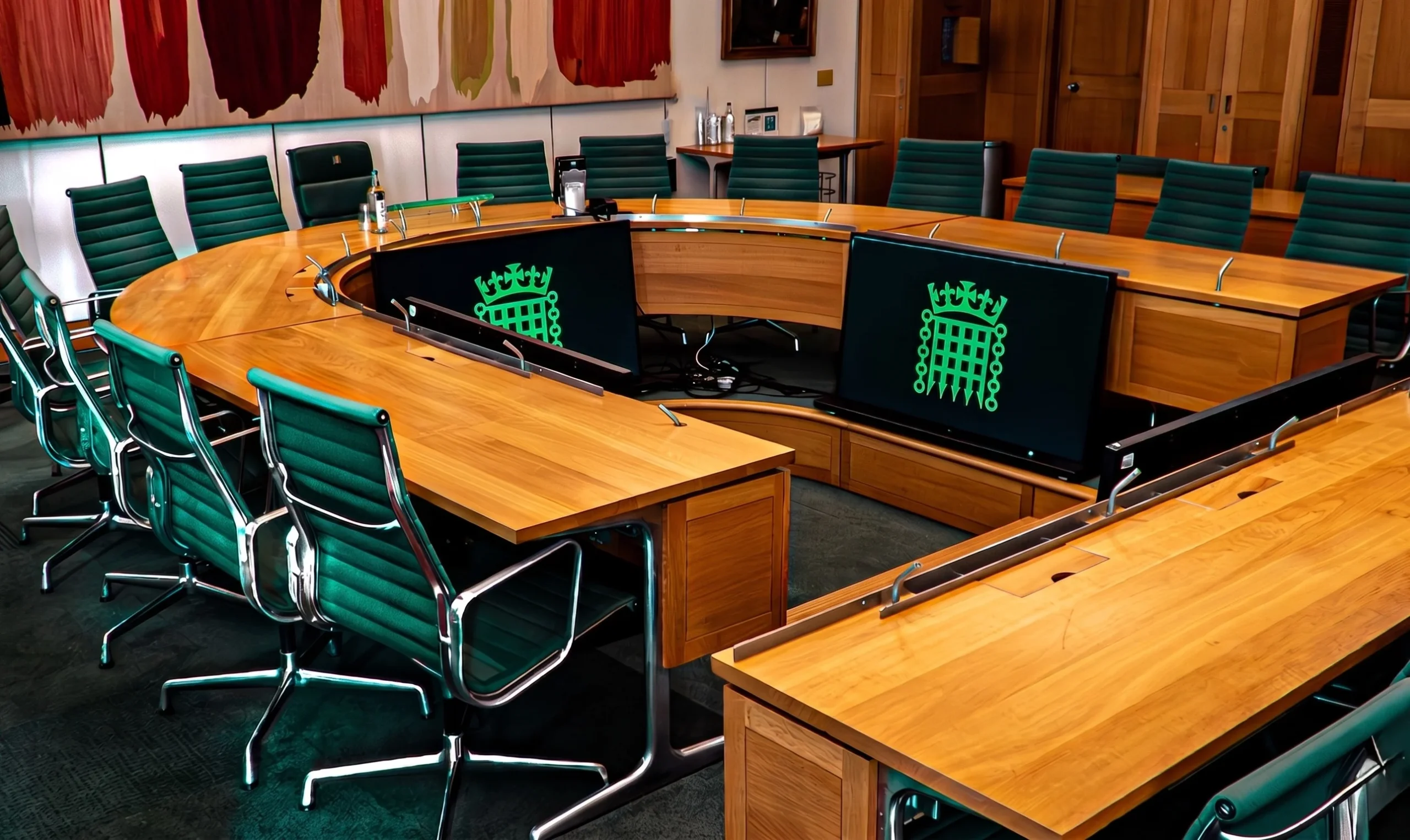

Committee urges the government to address inconsistencies in armed forces covenant duty across departments
A parliamentary committee has published its special report on the Armed Forces Bill, welcoming the Government’s proposed changes to service law and the Armed Forces Covenant but urging improvements to ensure they work in practice.
The Select Committee on the Armed Forces Bill welcomed the Bill’s provisions in principle, including its expansion of the Armed Forces Covenant to better reflect areas where serving personnel, veterans and their families can face disadvantage. However, the committee warned that past inconsistent implementation of the Covenant must be addressed if the new duty is to achieve its intended impact. It recommended that the Government publish an evaluation of how the Covenant duty is being implemented across local authorities, Whitehall departments and the devolved administrations before the end of this Parliament.
The report also considered the Bill’s proposals on defence housing, welcoming the creation of a new Defence Housing Service with a planned 10‑year investment of £9 billion, but urging that contractors be held more accountable for the quality of service personnel and family accommodation.
On the service justice system, the committee backed measures designed to protect victims of domestic abuse and sexual harm and improve the information provided to victims asked to choose between civilian and military justice systems. It stressed that such changes must be backed by adequate training for service justice personnel and recommended that the Ministry of Defence (MoD) commission independent research into conviction rates in service and civilian systems to bolster confidence in the information victims receive.
In its conclusions the committee noted concerns over the current limitations on who may sit on courts‑martial boards. Under existing arrangements only officers of rank OR‑7 and above equivalent to staff sergeants, chief petty officers or flight sergeants are eligible to sit on boards that hear serious service offences. The report recommended that the MoD examine the merits of expanding eligibility to include personnel of lower ranks, drawing comparisons with civilian juries that are made up of people from all backgrounds.
The committee also reiterated its support for changes to reserve forces legislation, including more flexible recall liability and measures to facilitate movement between regular and reserve service, while noting that the Bill’s focus on the Strategic Reserve does not itself deliver the Government’s broader ambition to increase the Active Reserve.
In response to the call for broader participation on courts‑martial boards, some MPs have urged the MoD to consider lowering the rank threshold for board membership in order to enhance fairness and mirror aspects of civilian justice, arguing that a wider pool of lay members could strengthen service justice.
The committee’s report forms part of the scrutiny of the Armed Forces Bill as it proceeds through Parliament ahead of its next stages of debate and amendment