
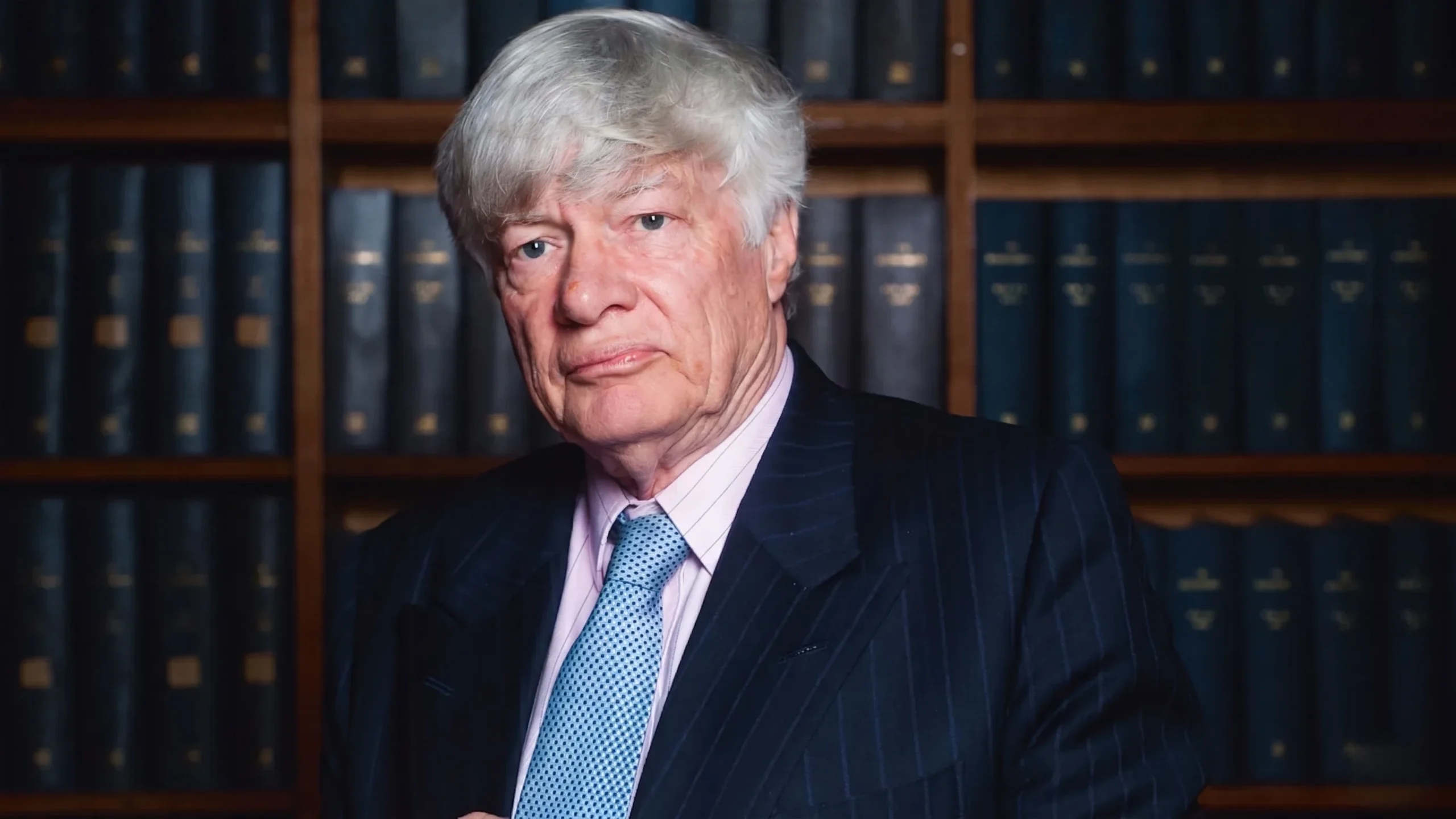

Senior barrister warns proposals under the Courts and Tribunals Bill could increase court delays and weaken a key constitutional safeguard of the criminal justice system
Human rights barrister Geoffrey Robertson KC has issued a strong warning against government proposals to restrict jury trials, arguing the reforms risk worsening court delays and undermining a central constitutional safeguard of the criminal justice system.
In a detailed paper titled For Mercy’s Sake, published by the Bar Council to coincide with the committee stage of the Courts and Tribunals Bill, Robertson described plans to reduce jury trials as “a cure worse than the disease”. The proposals, influenced by recommendations from Brian Leveson, are intended to tackle the criminal courts backlog but would significantly limit the circumstances in which defendants can insist on trial by jury.
Robertson argued that the proposals overlook the constitutional importance of juries as independent fact-finders capable of standing up to the state and extending mercy where strict legal application might otherwise result in unfair outcomes. He said juries are trusted by the public and form a distinctive part of the justice system’s heritage.
The report traces the historical role of jury trial within the UK’s unwritten constitution and warns that removing juries from a substantial proportion of criminal cases would weaken protections for defendants and diminish community participation in justice.
Although the reforms are intended to address court backlogs, Robertson argued they may instead increase pressure on the system.
He warned that judges would be required to conduct additional allocation hearings to determine whether cases qualify for jury trial and to produce detailed written judgments in judge-only trials, increasing demands on court time.
The paper further suggests that predicting whether a case is likely to result in a sentence above the proposed jury-trial threshold would itself require lengthy preliminary hearings effectively creating “mini trials” before the trial begins.
Under the proposed framework, complex or lengthy cases could be heard without a jury where the court considers it appropriate. Robertson argued the legislation provides little clarity on what qualifies as “complex” or “lengthy”, meaning courts would need to spend significant time determining eligibility in advance.
He also noted that each judge-only case would require a written judgment, further reducing judicial availability to hear other matters.
Robertson suggested that under the proposed regime some notable cases might not have been tried before juries. For example, he said the prosecution of civil servant Clive Ponting under the Official Secrets Act carried a maximum sentence of two years and therefore may have fallen outside jury-trial eligibility.
He also argued that hypothetical prosecutions involving figures such as Peter Mandelson or Andrew Mountbatten-Windsor could lose jury trial rights if deemed complex or lengthy.
The paper also criticises proposals that could apply new jury-trial limits to defendants already charged or awaiting trial, describing retrospective changes to trial procedures as undermining legal certainty and fairness.
Robertson argued that individuals should be tried according to the rules in force at the time of the alleged offence, warning that altering those expectations mid-process risks injustice.
While opposing reductions in jury trials, Robertson expressed support for introducing “jury waiver”, allowing defendants to opt for trial by judge alone where appropriate. He noted similar systems operate in jurisdictions including Canada, Australia and parts of the United States and may improve fairness in cases affected by prejudice or weak prosecution evidence.
Bar Council chair Kirsty Brimelow KC said: “I hope many MPs will read this profound and professional analysis and stop the jury-wrecking parts of the Bill in its tracks.
“The Bar Council is the forceful opponent of government plans to curb trial by jury. In the debate so far, we have been concerned that the history and value of trial by jury has not been fully appreciated. Geoffrey Robertson KC has written an authoritative paper on juries and the Courts and Tribunals Bill for the Bar Council, pro bono. He is the founding head of Doughty Street Chambers, which is my chambers as well as the former professional home of great lawyers who entered politics.”
The government’s proposals aim to address a substantial criminal court backlog, but Robertson argued there is no immediate risk of systemic collapse and suggested delays could instead be reduced through improved funding, increased judicial capacity, and reforms to investigation processes involving police and prosecutors.
His intervention forms part of a wider legal and political debate about whether limiting jury trials would speed up justice or undermine one of the justice system’s most established safeguards.