
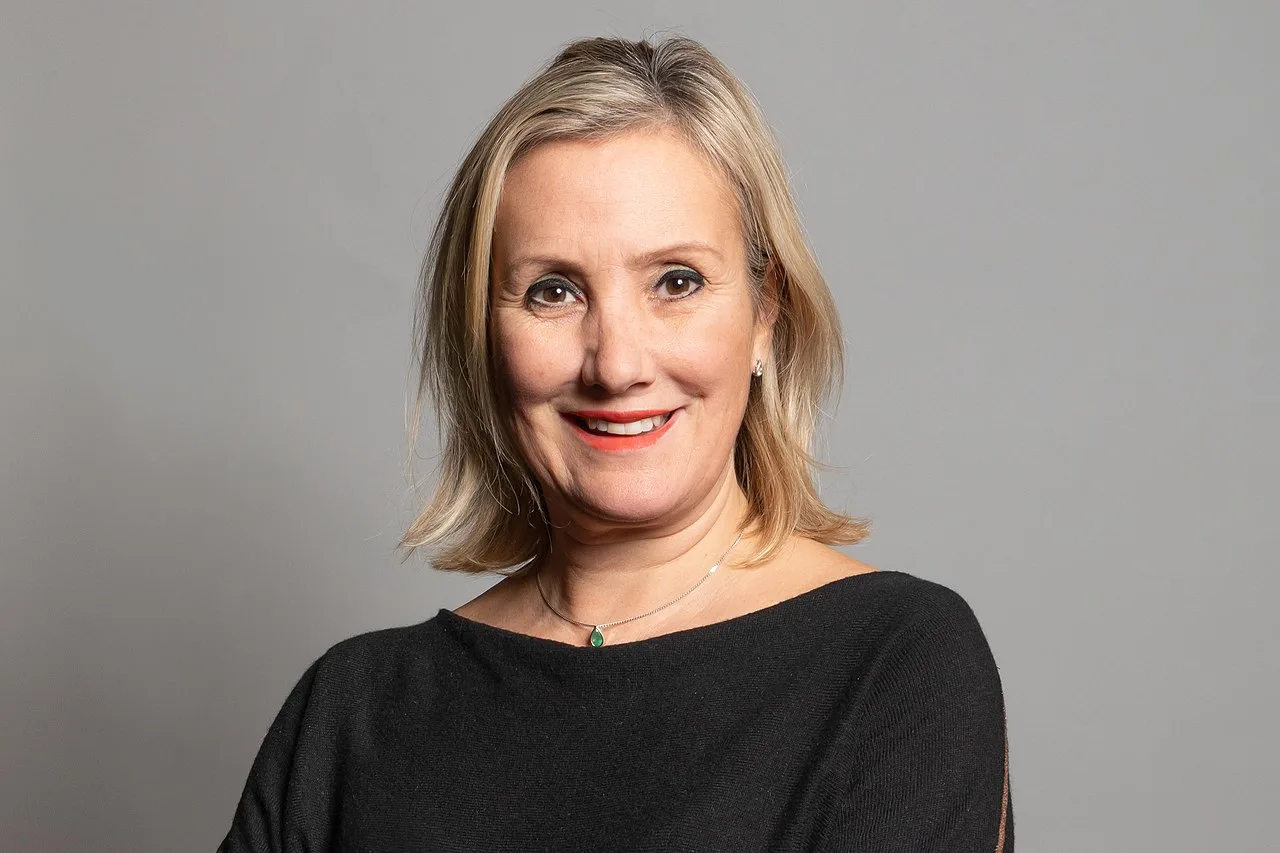


Dame Caroline Dinenage says delay on AI copyright reform leaves creators exposed and policy uncertain
The UK Government’s decision to pause proposed reforms to copyright law in the context of artificial intelligence has drawn a mixed response from Parliament’s Culture, Media and Sport Committee.
Dame Caroline Dinenage MP, Chair of the committee, acknowledged that halting the reforms reflects widespread concern across the creative industries. However, she warned that the move risks leaving the UK without clear direction at a critical moment in the development of AI.
Describing the situation as “going back to square one,” Dinenage said the delay means little progress has been made over the past two years, despite rapid advances in AI technologies. She cautioned that continued inaction could allow technological developments to outpace legal protections.
The Government had been considering changes to copyright rules that would address how AI systems use protected works for training and development. These proposals sparked significant debate, particularly among artists, authors, musicians, and media organisations concerned about unauthorised use of their content.
Dinenage emphasised that the UK must strike a balance between maintaining strong copyright protections and supporting innovation in the tech sector. She suggested that both objectives are achievable, but require clearer legislative direction.
She pointed to emerging licensing agreements between rights holders and AI companies as a positive sign. However, she noted that these arrangements have largely developed in the absence of formal regulation, effectively leaving industry participants to negotiate solutions independently.
A key concern highlighted by the committee chair is the risk that smaller and independent creators could be disadvantaged in this evolving landscape. Without clear legal safeguards, they may lack the bargaining power to secure fair compensation or control over how their work is used.
Dinenage stressed that all creators across sectors such as art, literature, music, film, and television should be properly remunerated when their work contributes to AI systems. She also underscored the importance of ensuring creators retain control over the use of their intellectual property.
The comments reflect growing pressure on the Government to establish a coherent framework for AI and copyright, as jurisdictions worldwide grapple with similar challenges. While the pause in reform may allow for further consultation, it also prolongs uncertainty for both the creative and technology sectors.
With AI development accelerating, the debate over how to balance innovation with intellectual property rights is likely to intensify in the months ahead.