


High Court rejects Charity Commission challenge against Ombudsman over safeguarding reports
The High Court has refused permission for the Charity Commission for England and Wales to pursue a judicial review against the Parliamentary and Health Service Ombudsman in a dispute over safeguarding investigations involving two complainants.
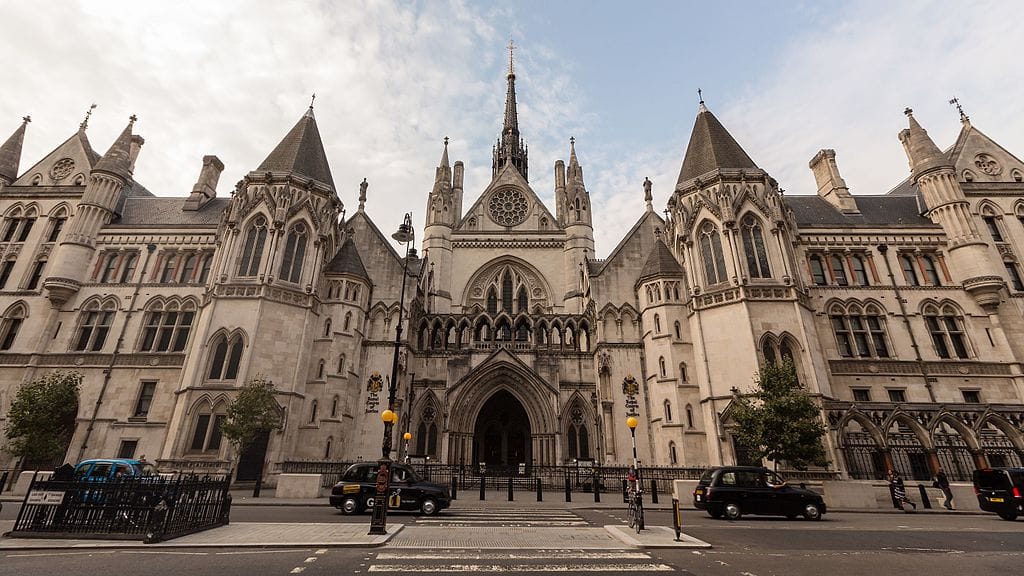
In a judgment handed down on 6 March 2026, Justice Fordham ruled that the regulator’s claim had become academic and should not proceed. The case, heard in the Administrative Court of the King’s Bench Division in London, concerned disagreements between the Charity Commission and the Ombudsman over the handling of safeguarding complaints raised by Lara Hall and Damian Murray.
The Ombudsman had previously concluded that both individuals suffered injustice due to maladministration by the Charity Commission. The findings followed investigations into the Commission’s handling of safeguarding concerns involving two charities.
Ms Hall had reported concerns relating to the charity Help for Persecuted Christians and its former trustee and chair, Wilson Chowdhury. Her complaint alleged that the charity failed to respond adequately to safeguarding issues involving an exploitative relationship between Mr Chowdhury and a vulnerable beneficiary.
Mr Murray raised concerns about the charity The Marist Fathers and the handling of allegations of sexual abuse linked to a former priest associated with St Mary’s College. His complaint included concerns that the charity had publicly honoured the individual despite the allegations.
Following investigations, the Ombudsman issued reports in 2024 concluding that the Charity Commission had committed decision-making maladministration in its assessment of safeguarding risks in both cases. The Ombudsman recommended reviews of the regulator’s decisions and communications with the complainants.
After the Charity Commission conducted internal reviews, the Ombudsman determined that the identified injustices had not been remedied and indicated that special reports could be laid before Parliament.
The Charity Commission subsequently sought judicial review of that decision, arguing that the Ombudsman had exceeded her statutory powers and improperly questioned the merits of regulatory decisions.
However, the court found that the claim could not proceed. Justice Fordham held that the Ombudsman’s decision had effectively been superseded after special reports were laid before the House of Commons following a parliamentary motion. As a result, the legal dispute no longer directly affected the parties’ rights or obligations.
The judge also found that the challenge lacked a realistic prospect of success in any event. He concluded that the Ombudsman was entitled to reach an evaluative judgment on whether the Commission’s actions had remedied the injustice caused by earlier maladministration.
Justice Fordham therefore refused permission for judicial review and ordered the Charity Commission to pay £8,700 in costs to the Ombudsman.