

Six amendments approved as peers continue detailed scrutiny of Crime and Policing Bill.
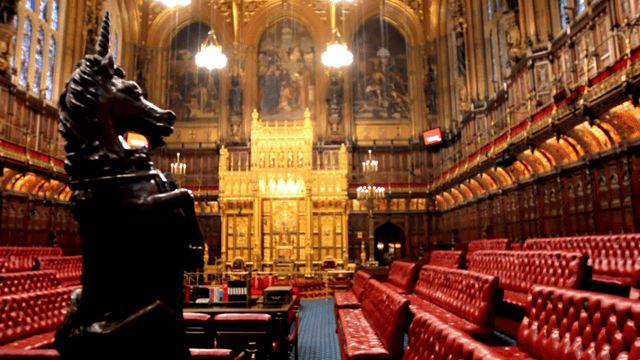
Members of the House of Lords continued their detailed examination of the Crime and Policing Bill as the legislation progressed through report stage on Monday, 2 March 2026.
The bill, introduced by the UK government, covers a wide range of criminal justice issues. Among its aims are measures designed to tackle anti-social behaviour, knife crime, violence against women and girls, theft, child sexual abuse, sexual offences and youth radicalisation.
Report stage provides members of the House of Lords with an additional opportunity to scrutinise the bill and propose amendments before the legislation moves closer to becoming law. During this stage, peers examine specific provisions in detail and may introduce changes that are then debated and voted upon.
Several sittings have been scheduled to allow for further scrutiny of the bill. So far, six report stage sessions have been planned on the following dates: 25 February, 2 March, 4 March, 9 March, 11 March and 18 March, although the parliamentary schedule remains subject to change.
During the most recent debate, members examined a series of proposed amendments relating to criminal offences and online harms. These amendments covered areas such as sexual offences involving children under the age of 16, the creation of offences connected to image-generation technology, and protections for individuals who make legally required reports in good faith.
Peers also debated proposals relating to the creation or supply of tools designed to generate purported intimate images.
A total of nine divisions, or formal votes, took place on amendments to the bill during the session.
Members voted in favour of six amendments. These included measures concerning deprivation and deletion orders for non-consensual intimate images, as well as safeguards intended to prevent the re-uploading of intimate images that have been shared without consent.
Further amendments approved by members created offences relating to the possession of software capable of producing nude images of another person. Another approved change introduced offences relating to the possession or publication of pornographic images depicting step-incest.
Peers also supported an amendment requiring pornography websites to verify both the age and the permission of every individual appearing on their platforms.
In addition, members agreed to extend existing offences relating to indecent photographs of children so that the law would apply even in cases where the child depicted is in fact an adult.
Not all proposed amendments secured the support of the House. Members voted against three other proposals during the session.
One rejected amendment concerned the introduction of risk assessments relating to child sexual abuse image-generation involving generative artificial intelligence technologies.
Two further proposals that were not approved involved the penalties for failing to uphold a duty to report suspected child sexual offences and the introduction of a duty to report when a person recognises indicators of child sexual abuse.
The report stage debates form part of the legislative process through which peers examine government legislation in detail. Amendments agreed during this stage can alter the text of a bill before it moves forward in Parliament.
The Crime and Policing Bill will continue to be examined during the remaining report stage sessions scheduled in the coming weeks.