


Judges reject terror proscription as 2,500 arrests left in limbo
The high court has ruled that the government’s decision to ban Palestine Action under anti-terrorism legislation was unlawful and disproportionate, dealing a significant setback to ministers and placing thousands of arrests in question.
In a judgment handed down on Friday, three senior judges concluded that the proscription order breached rights to freedom of speech and assembly. They found that most of the group’s activities had not reached the level, scale or persistence required to justify classification as terrorism under the Terrorism Act 2000.
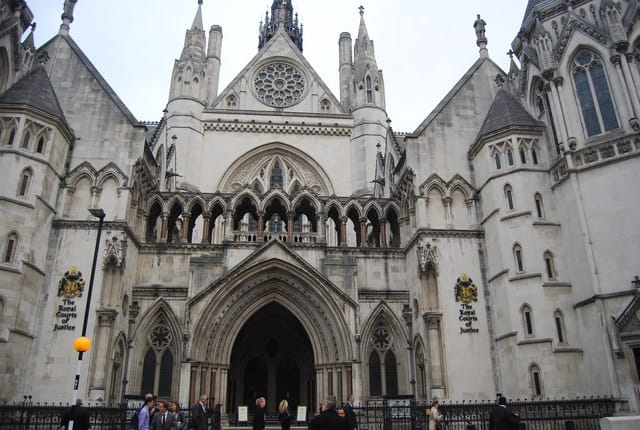
The ruling followed a legal challenge brought by co-founder Huda Ammori. Outside the Royal Courts of Justice in central London, supporters gathered to hear the decision and responded with cheers as the outcome was announced.
The judges, led by Dame Victoria Sharp, president of the King’s Bench Division, stated that although a small number of the group’s actions fell within the statutory definition of terrorism, the overall pattern of conduct did not justify proscription. Sharp described Palestine Action as an organisation that promotes its political cause through criminality and encouragement of criminality, but emphasised that general criminal law remained available to address those acts.
The court allowed the challenge on two of four grounds. It found that the decision taken by former home secretary Yvette Cooper was inconsistent with established policy considerations, including assessment of the specific threat posed to the UK.
The banning order will not be formally quashed until both sides have made further representations.
More than 2,500 people have been arrested since the group was proscribed. Many were detained for displaying placards expressing support for Palestine Action. Over 500 individuals have been charged under section 13 of the Terrorism Act, which carries a maximum sentence of six months’ imprisonment. Separate offences under section 12, relating to membership or support for a proscribed organisation, carry sentences of up to 14 years.
The Metropolitan Police confirmed it would immediately stop making arrests for expressions of support following the ruling, though it will continue gathering evidence pending the outcome of any appeal.
Home Secretary Shabana Mahmood said she was disappointed and would appeal. She stated that the proscription followed a rigorous and evidence-based process endorsed by parliament, and maintained that peaceful protest in support of the Palestinian cause was not prohibited.
Several organisations, including Amnesty International UK, Liberty and UN special rapporteur Ben Saul, urged the government to accept the judgment.
Political reaction was divided. Zack Polanski criticised the proscription, while Max Wilkinson described it as disproportionate. Shadow home secretary Chris Philp backed the appeal, citing national security concerns.
The Board of Deputies of British Jews and the Jewish Leadership Council also supported an appeal, expressing concern about the implications of the ruling.